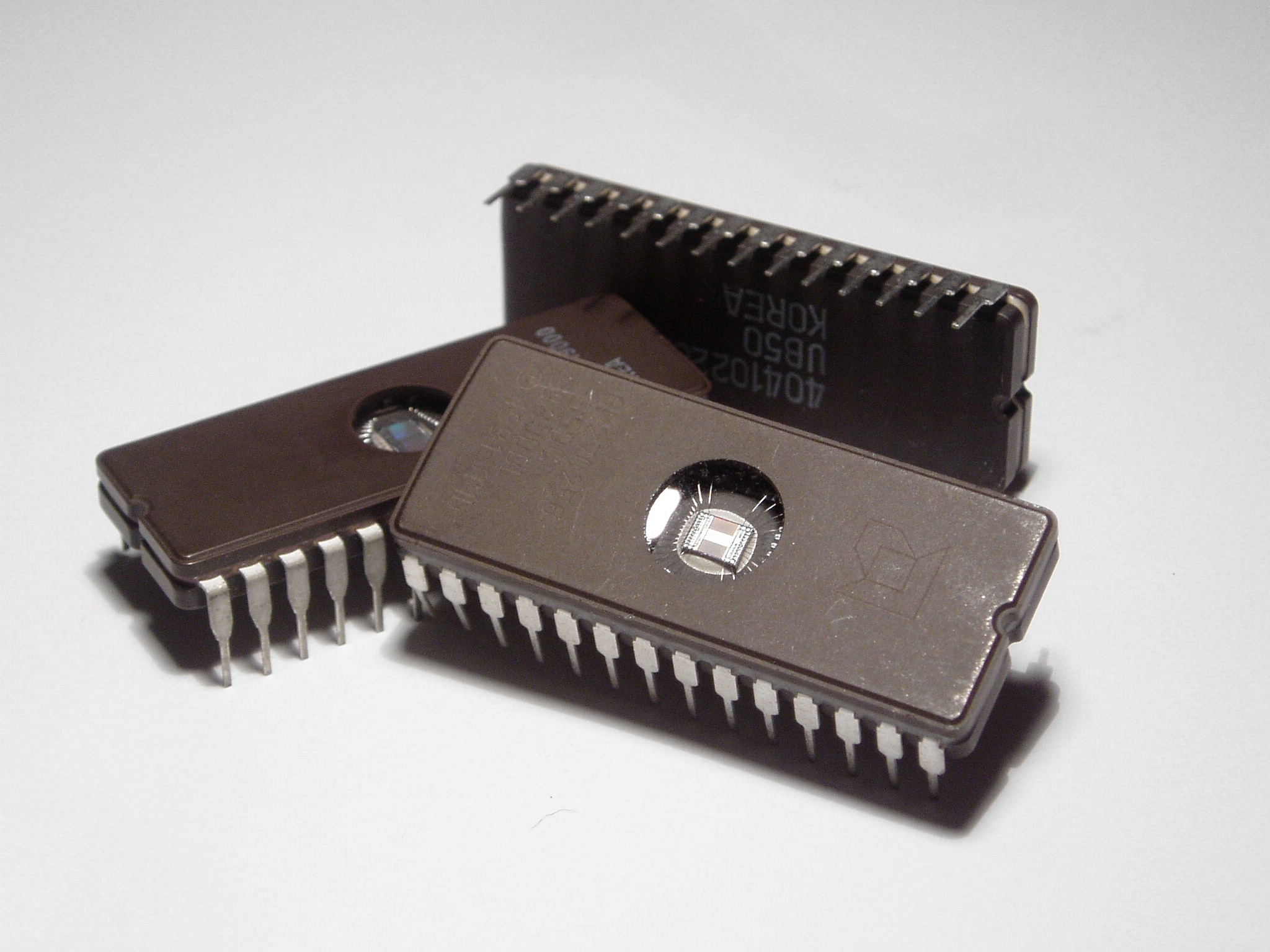
Europe’s ability to manufacture its own semiconductors has become a central issue in the European Union’s efforts to strengthen technological sovereignty, industrial competitiveness and economic security.
As chips underpin everything from artificial intelligence and telecommunications to automotive production and defence systems, the EU’s dependence on foreign suppliers poses growing risks to its long-term development.
Against this backdrop, European authorities are taking steps to establish a stronger regulatory framework for the semiconductor industry. The objective is not simply to increase domestic production, but to create a resilient European ecosystem capable of supporting the continent’s technological ambitions in an increasingly competitive global environment.
A strategic vulnerability in the global semiconductor market
Semiconductors are among the most strategically important components of the modern economy. Their availability directly affects the development of advanced technologies, the competitiveness of European industries and the security of critical infrastructure.
The global chip shortage experienced in 2020 demonstrated the consequences of excessive dependence on external suppliers. Disruptions to semiconductor supply chains affected automotive manufacturing and other industrial sectors, forcing some factories to suspend operations.
Europe continues to face structural vulnerabilities in this area. According to the European Commission’s assessment, EU-based production accounts for approximately one-fifth of the Union’s semiconductor consumption. The bloc remains particularly dependent on third countries for advanced chip manufacturing and semiconductor design.
This dependence has implications that extend far beyond industrial production. In a world increasingly shaped by geopolitical competition, access to advanced semiconductors is becoming a crucial element of national and regional security.
The European Chips Act: A foundation for technological independence
The EU has already taken important steps to address these challenges. The European Chips Act, which entered into force in September 2023, established a framework designed to strengthen the European semiconductor ecosystem, improve supply-chain resilience and reduce external dependencies.
The legislation focuses on strengthening research and innovation, expanding manufacturing capacity, developing advanced chip technologies and improving the monitoring of potential supply disruptions.
One of its principal ambitions is to increase Europe’s share of the global semiconductor market from approximately 10% to at least 20% by 2030. The initiative also seeks to attract investment and create new opportunities for European businesses and researchers.
The legislation has helped mobilise substantial investment in the sector. However, European policymakers recognise that existing measures are not sufficient to address all the challenges facing the continent’s semiconductor industry.
Chips Act 2.0: A new stage in European regulation
In June 2026, the European Commission proposed a new legislative initiative, the Chips Act 2.0, as part of its broader European technological sovereignty package.
The proposal aims to reinforce Europe’s semiconductor industry, reduce strategic dependencies and support advanced chip production within the EU. It builds on the original Chips Act while introducing measures intended to strengthen the Union’s position in the global semiconductor value chain.
The initiative focuses on several key priorities:
Expanding Europe’s capacity to manufacture both mainstream and advanced semiconductors, including chips designed for artificial intelligence.
Strengthening the industrial ecosystem surrounding semiconductor production.
Developing a stronger European market for chips across key industrial sectors.
Improving the EU’s ability to anticipate, monitor and respond to disruptions in semiconductor supply chains.
Supporting investment in cutting-edge technologies and reducing vulnerabilities linked to external suppliers.
The Commission argues that a more integrated European semiconductor ecosystem is essential for maintaining the continent’s competitiveness and ensuring a reliable supply of critical technologies.
Regulation as a driver of industrial development
The EU’s approach demonstrates that regulation can play an important role in supporting technological development. By establishing common rules, coordinating investment and improving access to research infrastructure, European authorities aim to create more favourable conditions for semiconductor manufacturers and technology companies.
The European Chips Act already provides mechanisms to support innovative manufacturing facilities, including integrated production facilities and open EU foundries. These initiatives are intended to encourage investment in advanced production capabilities and strengthen the European industrial base.
The proposed Chips Act 2.0 would build on this foundation. In addition to supporting production, it seeks to improve coordination between EU institutions and Member States, ensuring that national initiatives contribute to a common European strategy.
At the same time, the initiative highlights the importance of cooperation with trusted international partners. European technological independence does not necessarily mean abandoning global supply chains. Rather, the objective is to reduce excessive dependence on individual suppliers while maintaining access to international markets and expertise.
Europe’s technological future depends on semiconductor sovereignty
The development of a competitive European semiconductor industry will require sustained investment, effective regulation and close cooperation between governments, research institutions and private companies.
The Chips Act and the proposed Chips Act 2.0 represent important steps towards achieving these objectives. They reflect the EU’s recognition that technological sovereignty is not merely an industrial policy ambition, but an essential component of economic resilience and security.
For Europe, the challenge is to transform its existing scientific and industrial capabilities into a sustainable manufacturing ecosystem capable of competing globally.
The success of this strategy will have far-reaching consequences. A stronger European semiconductor industry could support innovation in artificial intelligence, strengthen the security of critical infrastructure, create new industrial opportunities and reduce the risks associated with global supply-chain disruptions.
Ultimately, the EU’s ambition is to ensure that Europe remains not simply a consumer of advanced technologies, but also a major force in their development and production. Photo by Zephyris at English Wikipedia.