European lawmakers are seeking to strengthen the EU’s automotive industry through a new approach to electric mobility, simpler regulations and more compact vehicles. As Chinese manufacturers gain ground in the
European market, the future of the continent’s car industry may depend on its ability to combine competitiveness, environmental responsibility and the needs of Europe’s historic cities.
Europe’s automotive industry is facing one of the most significant challenges in its history. Chinese manufacturers are expanding their presence across the continent, offering increasingly competitive electric vehicles and putting pressure on European carmakers to accelerate innovation, reduce costs and rethink their production strategies.
Against this backdrop, Members of the European Parliament are pushing for measures designed to strengthen the competitiveness of the EU automotive sector while supporting the transition towards cleaner and more efficient mobility.
The European Parliament’s latest initiative focuses on simplifying the regulatory framework, encouraging the development of electric vehicles and creating better conditions for manufacturers to produce smaller, more affordable cars. The objective is to ensure that European companies can compete in a rapidly changing global market without abandoning the environmental and safety standards that have long defined the European approach to transport.
Smaller electric cars could offer a European solution
One of the central elements of the proposed approach is the development of small, efficient electric vehicles. For European policymakers, this represents an opportunity to address several challenges simultaneously: making electric mobility more accessible, reducing emissions and improving the suitability of vehicles for urban environments.
The European Commission’s Automotive Package already includes measures intended to support the development of small, affordable electric cars and reduce administrative costs for manufacturers. The Parliament’s work on simplifying automotive legislation seeks to create more consistent rules and streamline complex technical requirements and testing procedures. https://transport.ec.europa.eu/transport-themes/action-plan-future-automotive-sector/automotive-package_en
The emphasis on compact vehicles is particularly relevant to Europe, where many cities have historic centres designed centuries before the arrival of mass motorisation.
From Paris and Rome to Brussels, Amsterdam and Prague, narrow streets, limited parking spaces and densely populated neighbourhoods make large vehicles increasingly difficult to accommodate.
A European strategy centred on smaller electric cars could therefore offer a distinctive alternative to the global trend towards increasingly large SUVs.
Compact vehicles could help reduce pressure on urban infrastructure, improve parking availability and make electric mobility more practical for residents. Their smaller dimensions and potentially lower battery requirements could also contribute to reducing production costs and material consumption.
The challenge for European manufacturers will be to translate these advantages into vehicles that consumers genuinely want to buy.
Safety and CO2 emissions remain central priorities
Competitiveness, however, cannot come at the expense of road safety or environmental protection.
MEPs are highlighting the importance of maintaining high safety standards while creating a more efficient regulatory environment for manufacturers. Simplifying technical requirements should make it easier to develop and introduce new vehicles, rather than weaken the protections provided to drivers, passengers, pedestrians and cyclists.
The EU has already introduced more advanced safety requirements for newly registered cars and vans, including improved emergency braking systems, driver-distraction warnings and enhanced visibility. These measures demonstrate the importance of integrating safety into the development of the next generation of vehicles. https://commission.europa.eu/news-and-media/news/safer-cars-safer-roads-new-rules-take-effect-2026-07-08_en
CO2 emissions represent another critical dimension of the debate.
The European automotive industry must reduce its environmental footprint while navigating the costs of electrification, battery production and technological transformation. A more flexible and simplified regulatory framework could provide manufacturers with greater certainty and allow them to concentrate resources on innovation.
The wider EU Automotive Package also includes measures to strengthen the European battery industry, support the uptake of zero-emission vehicles and reduce administrative burdens. https://commission.europa.eu/news-and-media/news/taking-action-clean-and-competitive-automotive-sector-2025-12-16_en
Can Europe develop its own competitive electric car?
The growing presence of Chinese automakers has exposed a fundamental weakness in Europe’s industrial strategy: technological leadership does not automatically translate into commercial success.
European manufacturers possess decades of experience in engineering, design, manufacturing and brand development. Yet these advantages must be matched by competitive pricing, efficient production and the ability to respond quickly to changing consumer preferences.
China’s expanding electric vehicle industry has made this challenge particularly visible. European companies are increasingly competing in a market where battery technology, software integration, manufacturing scale and cost efficiency are becoming decisive factors.
The development of a European small-car segment could provide an opportunity to establish a new competitive advantage.
Rather than attempting to replicate every aspect of the Chinese automotive model, European manufacturers could concentrate on a combination of compact design, advanced safety systems, efficient batteries, high-quality engineering and vehicles specifically adapted to European urban conditions.
Such a strategy would also have implications for the continent’s industrial base, supporting employment, innovation and investment in European manufacturing.
A European mobility strategy for the future
The debate in the European Parliament reflects a broader question about the future of European industry: how can the EU remain a global manufacturing power while meeting its climate objectives and responding to changing economic conditions?
The answer may lie in a more distinctly European approach to mobility.
Europe’s historic cities, environmental ambitions and established automotive expertise create conditions for a market in which smaller, safer and more efficient electric vehicles could become increasingly important.
The success of this approach will depend on whether policymakers can create a regulatory framework that encourages innovation without imposing unnecessary costs, and whether manufacturers can deliver affordable vehicles that meet the expectations of European consumers.
The European automotive industry is under growing pressure from Chinese competitors. But the transition towards compact electric mobility could offer European manufacturers an opportunity to redefine their competitive position.
The future of the industry may not depend on producing the biggest or most powerful vehicles, but on developing cars that are better suited to the economic, environmental and urban realities of Europe.
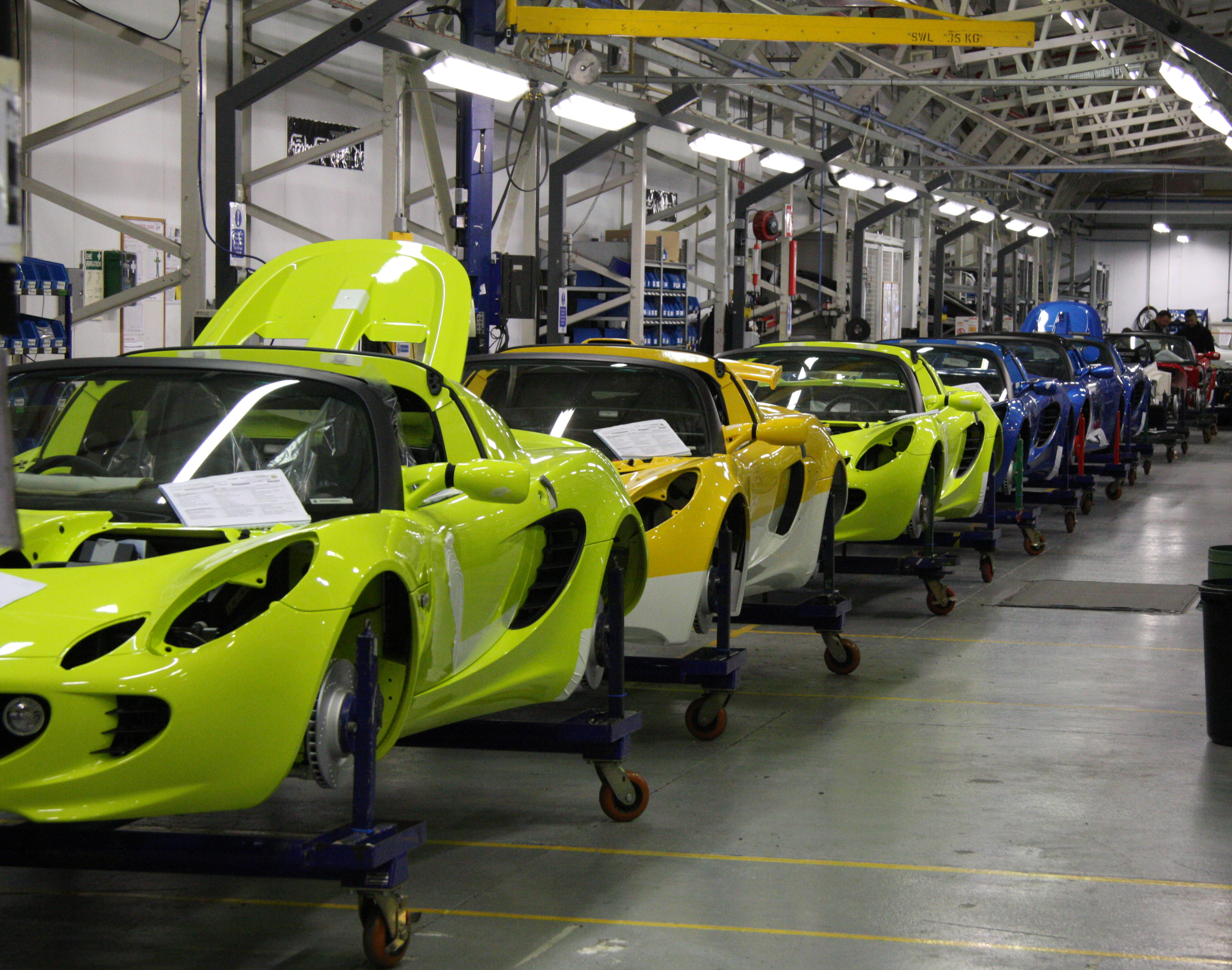
Source: European Parliament, Automotive sector: boost electric vehicles and simplify measures. Photo by Brian Snelson, Wikimedia commons.