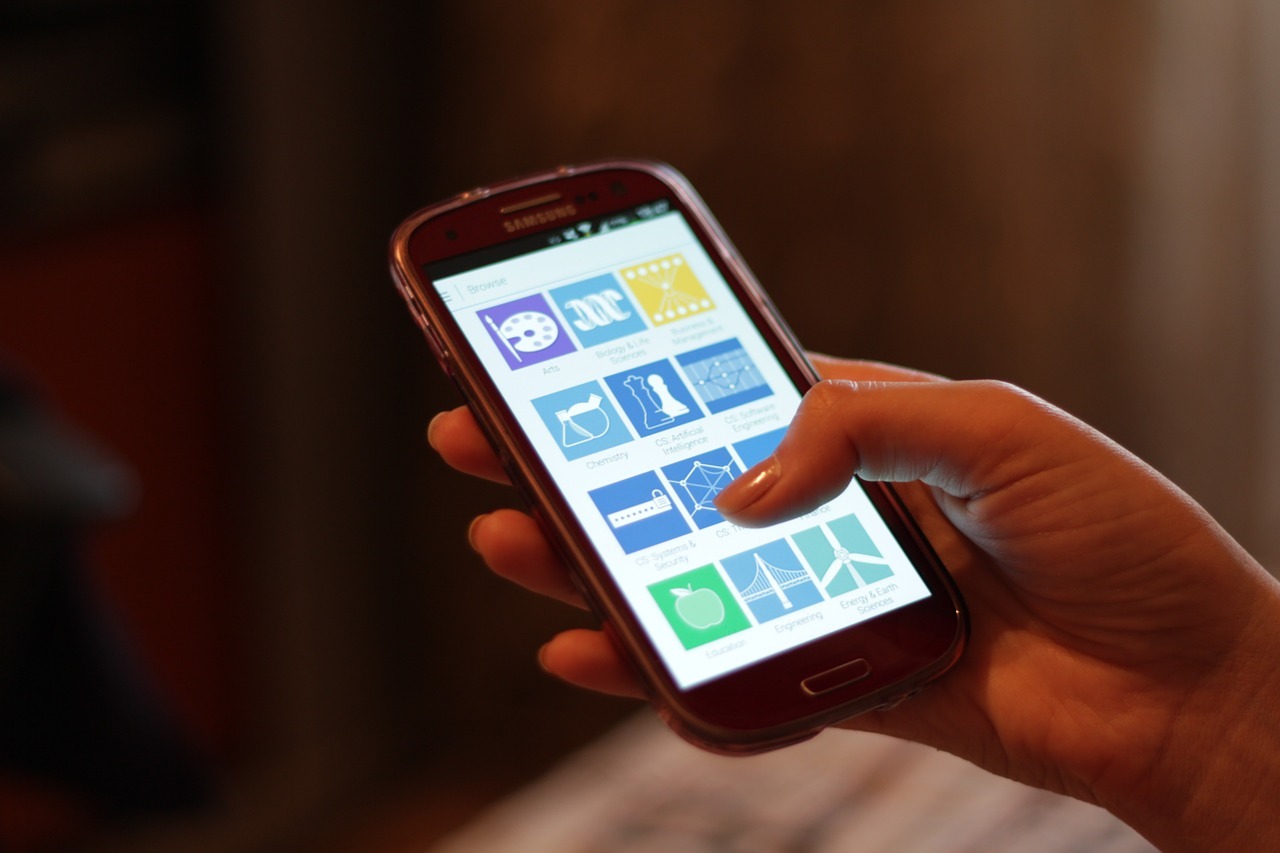
Almost one in three people in Switzerland display clear signs of smartphone dependence, with more than two million people potentially affected, according to a new survey commissioned by price comparison website
Comparis. The findings highlight how deeply mobile technology has become embedded in everyday life, while raising questions about the consequences of constant connectivity.
The survey found that a further 7% of respondents show pronounced signs of nomophobia — a term describing the anxiety or fear associated with being without a mobile phone, losing access to a network or being unable to use digital services.
Smartphones have become an almost universal feature of Swiss society, with ownership widespread among both younger and older generations. However, the research suggests that the extent of dependence varies considerably according to age and linguistic region.
Young people and adults aged between 16 and 35 appear particularly vulnerable. Almost half of respondents in this age group exhibited clear or pronounced signs of nomophobia. Specifically, four in ten reported clear symptoms, while another 8% displayed more severe indicators.
Among people aged 36 to 55, just under one-third showed clear signs of smartphone dependence. The proportion fell to slightly less than one in five among those aged 56 and above.
The results suggest that the youngest generations, who have grown up surrounded by mobile technology, are more likely to experience anxiety when separated from their devices.
Constant connectivity becomes part of everyday life
Smartphones have transformed how people in Switzerland communicate, work, obtain information and spend their leisure time. Mobile banking, digital payments, messaging applications, social networks and online news services have made the devices indispensable for many households.
But the growing importance of smartphones also means that people can find it increasingly difficult to disconnect.
According to Comparis, the most frequently reported symptom of dependence is the constant checking of a phone to ensure that no messages or calls have been missed. Half of those surveyed identified this behaviour as a characteristic of their smartphone use.
Other common symptoms included stress when leaving home without a mobile phone, reported by 35% of respondents, and nervousness when the battery was running low, cited by 34%.
These behaviours illustrate how smartphones can become more than communication tools, developing into a constant source of reassurance and a perceived necessity in daily life.
The findings also reflect the growing role of notifications, messaging platforms and social media in shaping people's attention. The expectation of being immediately reachable can make it difficult to establish boundaries between work, personal relationships and leisure.
French-speaking Switzerland reports higher levels of dependence
The study identified a significant difference between Switzerland's linguistic regions.
In French-speaking Switzerland, 37% of respondents displayed clear signs of nomophobia, compared with 28% in German-speaking Switzerland.
The gap was even more pronounced when participants were asked about the prospect of spending an entire day without a smartphone. Some 42% of French-speaking Swiss said they would feel anxious at the thought of being without their device for at least 24 hours. In German-speaking Switzerland, the proportion was 29%.
Digital expert Jean-Claude Frick attributed the difference partly to variations in digital consumption habits. People in French-speaking Switzerland tend to use social media and digital services more intensively for information and entertainment than their German-speaking counterparts, he said.
The findings indicate that smartphone dependence is not necessarily uniform across the country, with regional differences in digital habits potentially influencing how people interact with their devices.
Smartphones increasingly accompany people into the bedroom
The widespread presence of mobile phones in Swiss households extends well beyond working hours.
A survey published by IKEA and reported by Swissinfo in October 2024 found that nearly 60% of people in Switzerland did not go to sleep without their mobile phone. Among people aged 18 to 34, the figure rose to 79%.
The findings point to the growing integration of smartphones into personal routines, including the moments immediately before sleep.
Keeping a phone close at night can make it easier to respond to messages or check notifications, but it may also encourage people to remain connected when they would otherwise be resting.
Smartphone use among children and teenagers has also become a subject of increasing public debate. Several Swiss cantons have introduced or tightened restrictions on mobile phones in schools, although educators and experts have cautioned that bans alone may not address the underlying challenges of digital dependence.
The discussion reflects a broader concern about how to balance the benefits of technology with the need to protect concentration, social interaction and well-being.
What the study reveals — and what it does not
The Comparis survey was conducted by market research institute Innofact in September 2026. It included 1,027 people aged between 16 and 74 from across Switzerland's linguistic regions.
The results provide an indication of how widespread smartphone-related anxiety and habitual checking have become. However, the survey's findings should not be interpreted as a clinical diagnosis of addiction.
Nomophobia describes anxiety associated with being separated from a mobile phone, but the term does not automatically indicate a medically recognised disorder. The survey measures reported behaviours and feelings rather than establishing a clinical diagnosis.
Nevertheless, the results underline the scale of Switzerland's reliance on mobile technology. With smartphones playing an increasingly central role in communication, entertainment and everyday services, the challenge may be less about abandoning devices altogether and more about developing healthier relationships with them.
For millions of people, the question is no longer whether smartphones are part of everyday life, but whether remaining constantly connected has become difficult to control. Photo by Océanos y dados, Wikimedia commons.