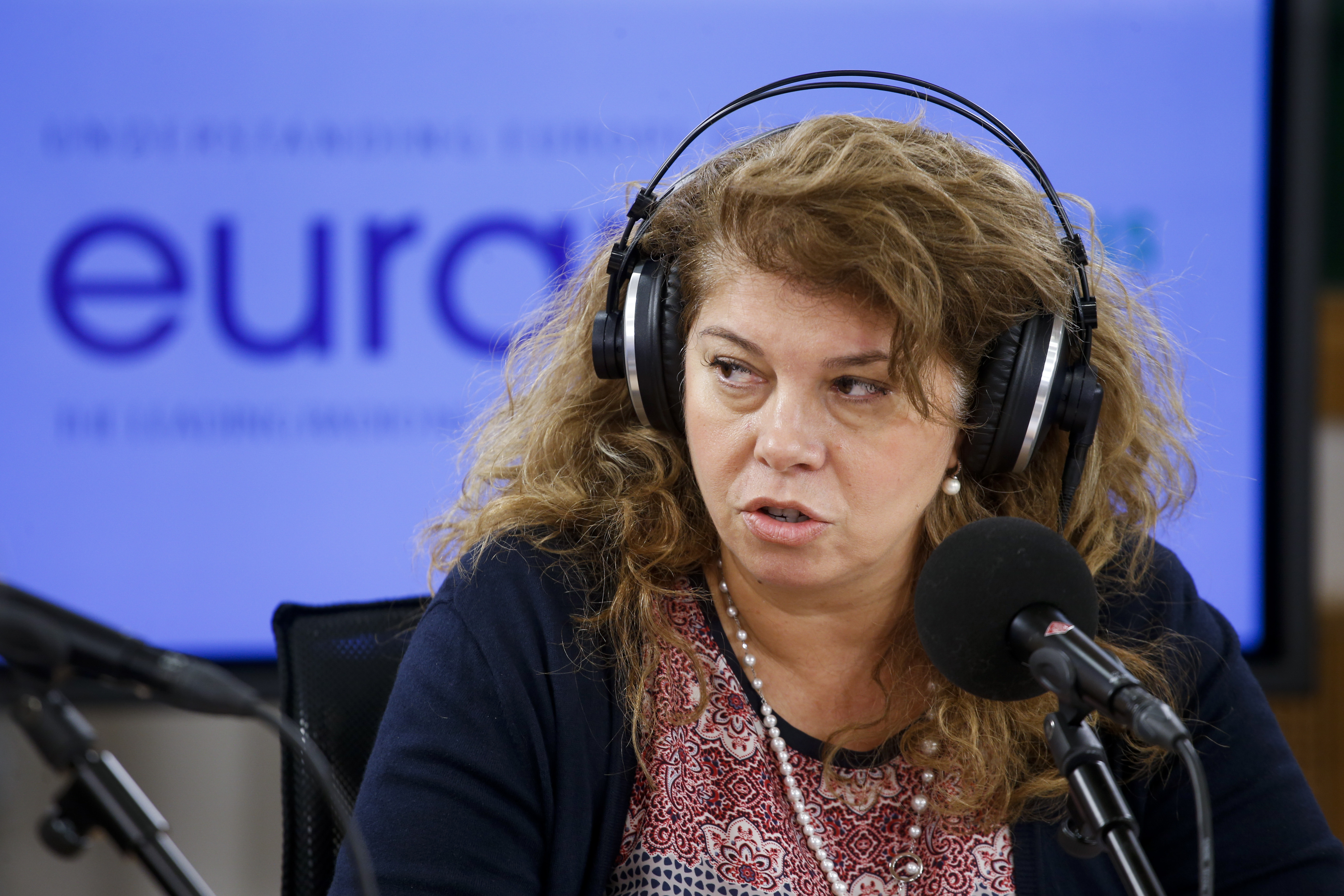
Bulgaria’s acting president, Iliana Yotova, has secured a decisive victory in the country’s presidential run-off, winning approximately 57.5% of the vote and becoming the first woman to serve as head of state in
Bulgaria’s democratic era.
Near-final results released by the Central Election Commission showed that Yotova and her running mate, Kiril Valchev, defeated opposition-backed candidates Andrey Gyurov and Georgi Kandev, who received around 39.5% of the vote. Exit polls had already indicated a clear advantage for Yotova.
Gyurov, an economist who previously served as interim prime minister earlier this year, acknowledged his defeat.
The result consolidates the political influence of former president Rumen Radev, whose political camp will retain control of the presidency. Radev held the position from 2017 until January, when he stepped down to participate in parliamentary elections and help resolve Bulgaria’s prolonged political instability.
Yotova assumed the presidency on an interim basis following Radev’s resignation. Her election now secures a full five-year mandate.
European integration and closer ties with Moscow
During her campaign, Yotova pledged to maintain the political direction established by Radev, advocating a continuation of Bulgaria’s European integration while also pursuing improved relations with Russia.
Her foreign policy positions include calls for lifting sanctions against Moscow, resolving the war in Ukraine through diplomacy and opposing additional military assistance to Kyiv.
The election outcome has attracted attention across Europe, given Bulgaria’s strategic position within the European Union and the contrasting views among its political leaders on relations with Russia and the war in Ukraine.
European Commission President Ursula von der Leyen congratulated Yotova on her victory, expressing optimism about continued cooperation between Sofia and Brussels.
“For a strong Bulgaria in a strong Europe,” von der Leyen wrote, highlighting priorities including security, defence, competitiveness and energy independence.
Questions over political balance
Yotova’s victory also raises questions about the balance of political power in Bulgaria. With the presidency and government now aligned with the same political camp, some observers have expressed concern that the country’s institutional checks and balances could become less effective.
Although the Bulgarian presidency is largely ceremonial, the office carries significant political influence, particularly in periods of government instability and through its role in appointing interim administrations.
Yotova’s election marks a historic milestone for women’s representation in Bulgarian politics, while also reinforcing the position of Radev’s political allies at a time when the country continues to navigate domestic political uncertainty and sensitive foreign policy choices.
The Central Election Commission is expected to publish the official final results on Monday. Photo by euranet_plus, Wikimedia commons.