Belgium has launched a five-year partnership with Leuven-based research institute Imec to develop advanced technologies for its armed forces, committing €50 million to research aimed at strengthening the country’s
military capabilities.
The agreement was signed on Friday at the military barracks in Heverlee by Imec CEO Patrick Vandenameele and Belgian Defence Minister Theo Francken of the New Flemish Alliance (N-VA). Under the deal, Imec will receive €10 million annually to develop technological solutions for military and dual-use applications.
Francken described the initiative as a historic milestone for Belgian defence, highlighting the strategic importance of technological innovation in modern warfare.
“Defence is cutting-edge technology, whichever way you look at it,” the minister said, arguing that Imec represents a significant national advantage that other countries cannot easily replicate.
The institute has established an international reputation for pioneering research and disruptive innovation in civilian nanoelectronics and digital technologies. Belgium’s government now intends to harness this expertise to enhance the operational capabilities of its armed forces.
Francken said applying Imec’s research to military and dual-use technologies could represent a major breakthrough in strengthening the country’s defence capabilities.
The collaboration will be financed through ODIN, a defence technology incubator established by the federal government earlier this year. The government has earmarked €3.7 billion for the initiative over a ten-year period, with the aim of accelerating the development of advanced defence technologies.
One of the first projects will focus on secure communications systems capable of maintaining battlefield connectivity even when adversaries attempt to interfere with or disrupt communications.
Imec will also explore the development of compact radar and laser technologies that could help detect and identify emerging threats, including attacks involving drones.
However, the deployment of these technologies by Belgian troops is unlikely to happen immediately. Vandenameele emphasised that advanced research and development requires considerable time, particularly in the semiconductor industry.
Even under favourable conditions, the shortest development period for chip technology would be approximately two years, provided the necessary preliminary research has already been completed.
Imec will concentrate exclusively on research and technological development rather than manufacturing. Once promising technologies have been developed, their production and commercialisation will be entrusted to start-ups or established defence companies.
Francken said the government intends to give Belgian businesses priority when it comes to bringing the resulting innovations to market.
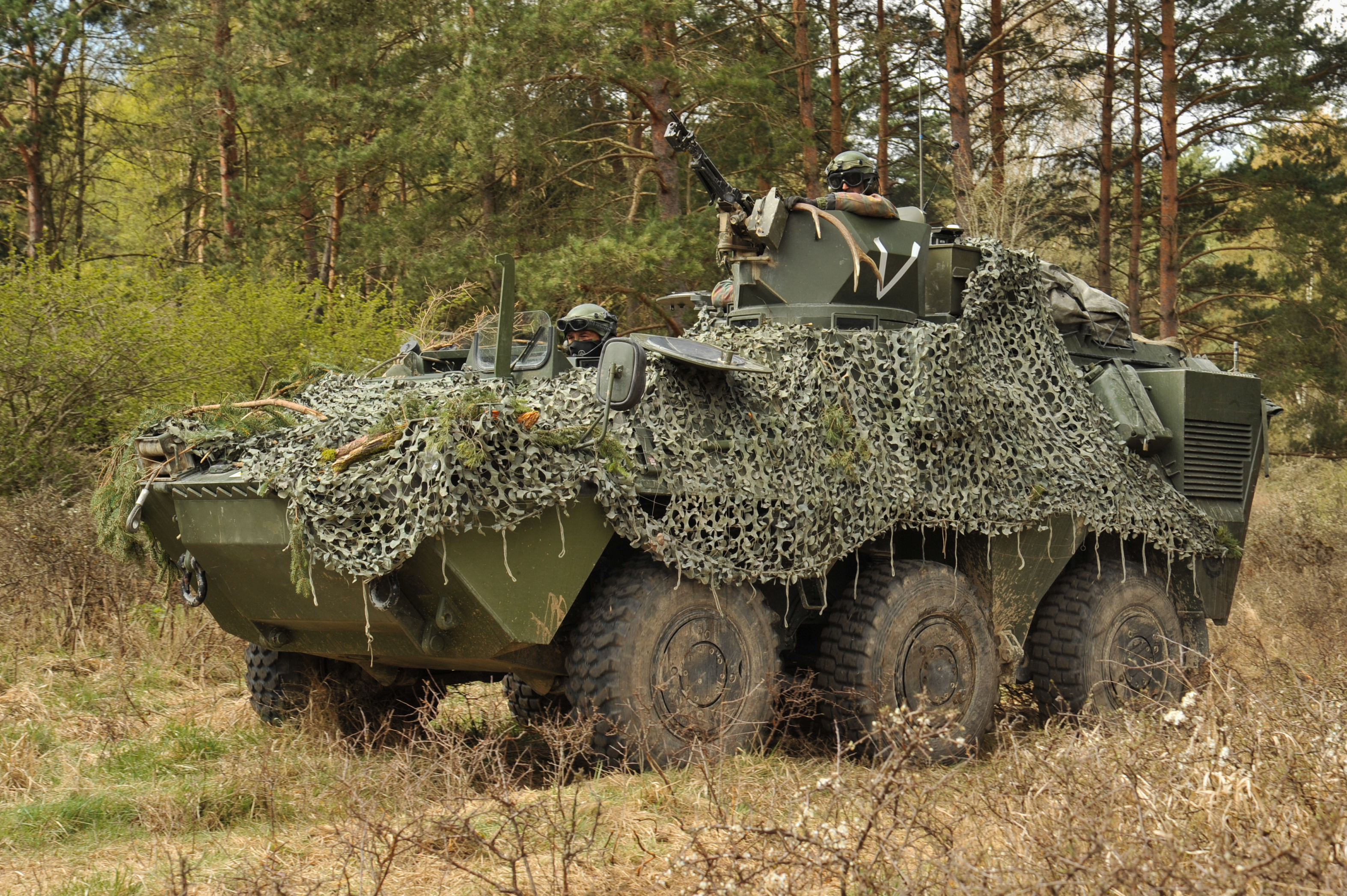
The partnership is designed to strengthen Belgium’s domestic defence technology ecosystem, combining the scientific expertise of a leading research institution with the industrial capacity of local companies. The initiative could also help establish a stronger national position in the increasingly competitive market for advanced military and dual-use technologies. Photo by 7th Army Training Command, Wikimedia commons.