Rail travel across the European Union continued to gain momentum in 2025, with passenger transport reaching an unprecedented level, according to the latest figures published by Eurostat.
The total volume of rail passenger journeys amounted to 457 billion passenger-kilometres last year, compared with 445 billion in 2024. The 2.6% annual increase represents the highest figure recorded by major railway operators since Eurostat began collecting comparable data in 2004.
Germany remained the EU's largest rail passenger market in terms of the number of people transported, recording approximately 2.95 billion passengers in 2025. France ranked second with 1.31 billion, followed by Italy, where railway operators carried 844 million passengers.
By contrast, considerably smaller passenger volumes were reported in the Baltic states and south-eastern Europe. Lithuania recorded just 5 million passengers, while Estonia registered 8 million and Greece 14 million.
The figures also reveal significant differences in rail travel habits across the bloc when passenger numbers are measured against national populations.
Luxembourg topped the ranking for passenger journeys per inhabitant, with an average of 46.1 journeys, followed by Hungary at 35.9 and Denmark at 35.6. Greece recorded the lowest figure, at just 1.4 journeys per resident. Lithuania followed with 1.9, while Bulgaria and Romania each registered 3.3.
A different picture emerges when measuring the distance travelled by rail per person. Hungary led the EU with 1,692 passenger-kilometres per inhabitant, narrowly ahead of France at 1,606 and Austria at 1,588.
At the bottom of this ranking were Greece, with 69 passenger-kilometres per resident, Lithuania with 164 and Bulgaria with 226.
The contrasting rankings highlight substantial differences in railway use across Europe, reflecting variations in national transport systems, passenger mobility patterns and the role of railways in everyday travel.
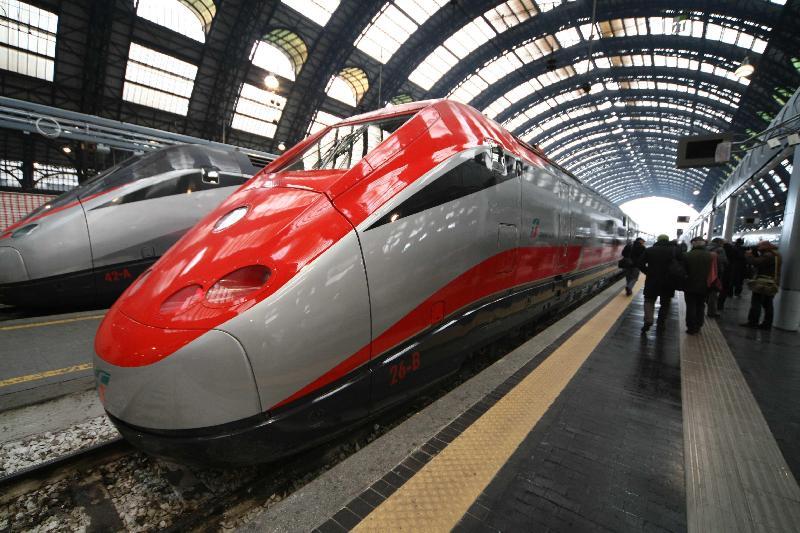
Eurostat's latest assessment is based on annual and quarterly statistics covering railway passenger transport operated by the EU's main railway companies. The data provide an overview of developments in rail mobility and the changing importance of train services within Europe's transport network. Photo by StuporesMundi at Italian Wikipedia.