Household purchasing power continued to edge higher across the European Union in the second quarter of 2026, while consumer spending gathered momentum, according to the latest figures published by Eurostat.
Real household income per capita rose by 0.1% in both the euro area and the EU compared with the previous quarter. The increase in the euro area matched the growth recorded in the first quarter, while the EU's rate of income growth slowed from 0.3%.
Despite the modest improvement in income, households increased their real consumption. Per capita consumption in the euro area grew by 0.3%, recovering from stagnation in the first quarter. Across the EU as a whole, the figure rose by 0.4%, following a 0.1% decline in the previous quarter.
The figures suggest that consumer spending strengthened during the spring, even as household income growth remained limited.
Wages and social benefits support household incomes
The factors behind income growth differed between the euro area and the wider EU.
In the euro area, the main positive contributions came from net property income and other net current transfers. However, gross operating surplus and gross mixed income exerted the strongest downward pressure on the overall result.
Across the EU, employee compensation and social benefits other than social transfers in kind were the principal drivers of income growth. Their positive contribution was partly offset by current taxes and net social contributions, which represented the largest negative influence.
The contrasting trends highlight the different sources of household income growth across the European economy, with employment-related earnings and social benefits playing a particularly important role at EU level.
Household saving rates fall across Europe
Households in both the euro area and the EU saved a smaller proportion of their income in the second quarter.
The household saving rate declined by 0.2 percentage points in the euro area and by 0.3 percentage points across the EU compared with the previous quarter.
National figures revealed significant differences. Among the 15 EU Member States for which data were available, saving rates increased in four countries and fell in eleven.
Poland and Czechia recorded the strongest increases, with saving rates rising by 0.6 percentage points in each country. At the other end of the scale, Finland registered the sharpest decline, at 1.6 percentage points, followed by Hungary, where the rate fell by 1.4 percentage points, and Italy, which recorded a decrease of 1.2 percentage points.
The overall reduction indicates that households devoted a smaller share of their income to savings, although the figures alone do not establish whether this reflected stronger consumption, financial pressures or other changes in household finances.
Household investment remains broadly stable
Investment activity among households showed comparatively little movement during the quarter.
The household investment rate remained unchanged in the euro area, while the EU-wide figure edged down by 0.1 percentage point.
Among the Member States reporting data, household investment rates increased in four countries, remained stable in six and declined in five.
Hungary recorded the largest increase, at 0.7 percentage points, followed by Czechia with a rise of 0.3 percentage points. Ireland experienced the steepest reduction, with its household investment rate falling by 0.7 percentage points, while Italy recorded a decline of 0.3 percentage points.
A mixed picture for household finances
Eurostat's second-quarter data present a mixed picture of household economic conditions across Europe. Real income continued to grow, but only marginally, while consumption accelerated in both the euro area and the EU.
At the same time, lower saving rates and largely unchanged investment activity point to differences in how households are allocating their financial resources.
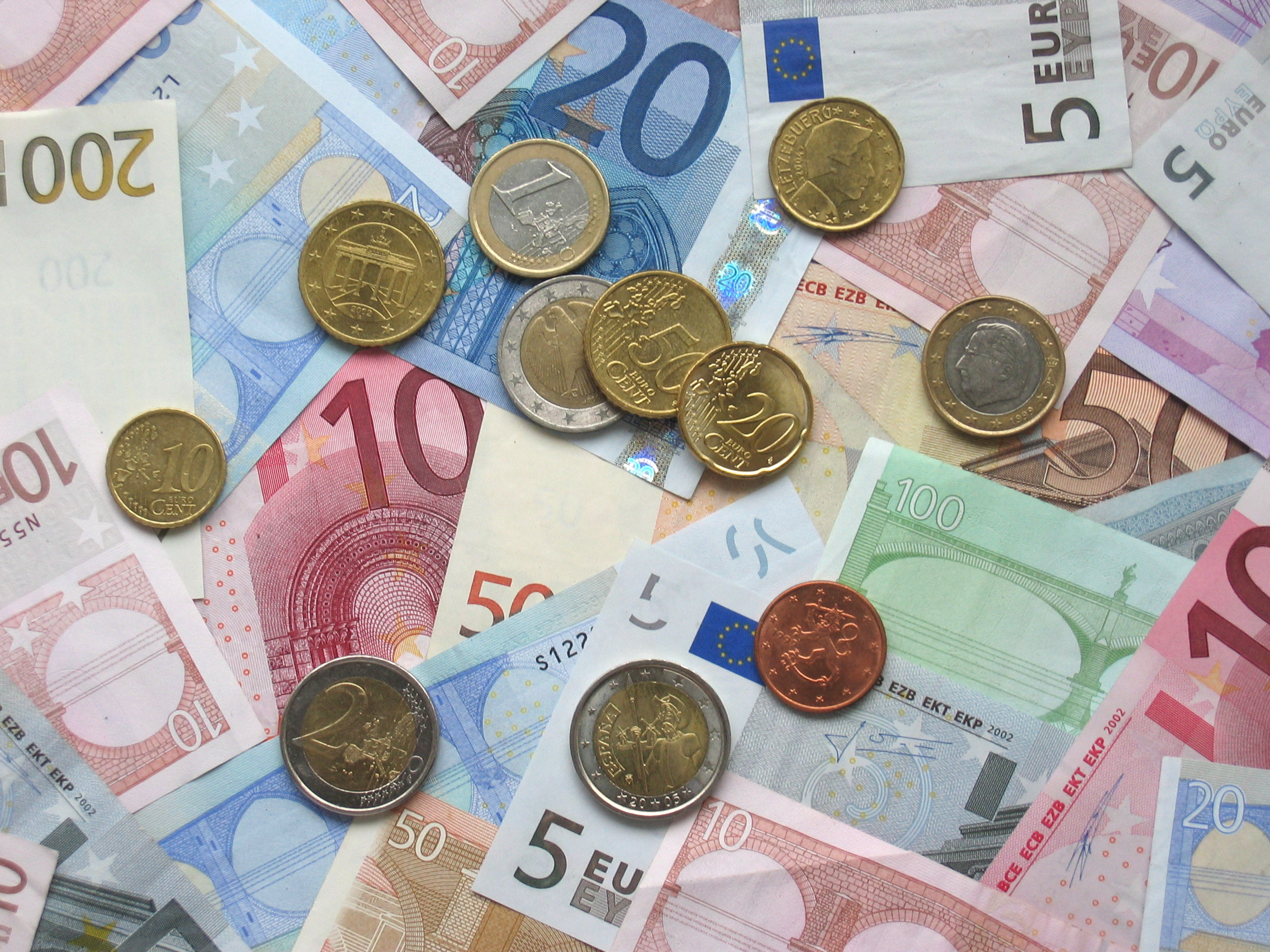
The figures are based on seasonally adjusted quarterly European sector accounts compiled by Eurostat, the European Union's statistical office. Photo by Avij, Wikimedia commons.