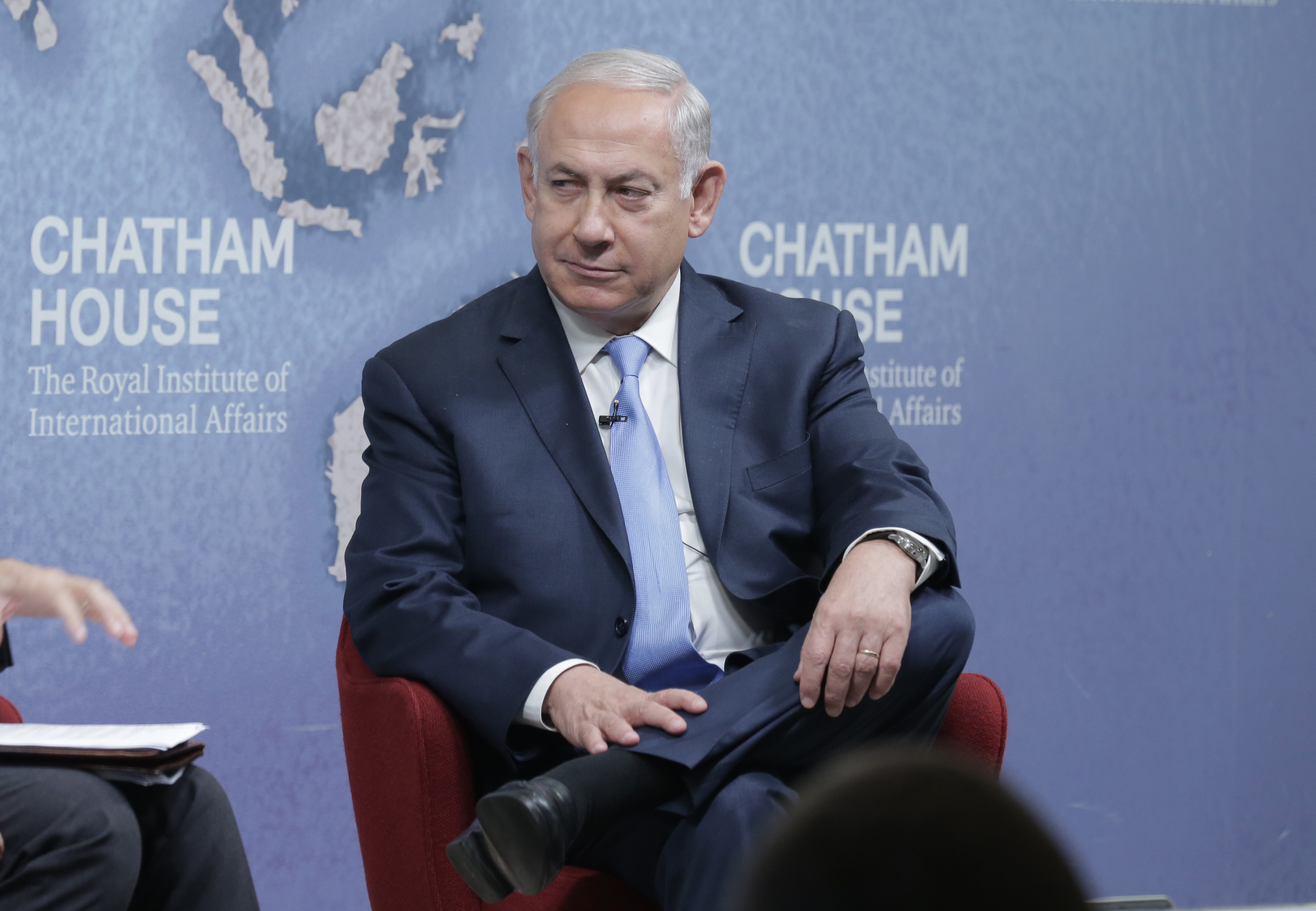
Israeli Prime Minister Benjamin Netanyahu’s political bloc remains ahead in the country’s parliamentary elections, with more than 85 per cent of votes counted. However, preliminary results indicate that his camp has yet to
secure the 61 seats required to command a majority in the 120-member Knesset.
According to Israel’s election committee, the figures released on Wednesday afternoon showed Netanyahu’s Likud party in first place with 26 seats. The Yashar party, led by former military chief Gadi Eisenkot, was in second position with 21 seats, The Times of Israel reported.
At the time of the announcement, more than 85 per cent of ballots had been counted, covering over 90 per cent of ballot boxes. Although the results could still change as counting continues, the emerging distribution of seats points to a potentially complicated process of forming the next government.
Netanyahu’s wider political alliance was projected to hold 53 seats, making it the largest bloc but leaving it eight seats short of a parliamentary majority. The opposing bloc led by Eisenkot had secured 48 seats.
Meanwhile, Israel’s Arab parties—the United Arab List and Ra’am—had won a combined 19 seats, giving them a potentially significant position in the parliamentary balance.
The final outcome will depend on the completed vote count and the ability of political parties to negotiate support for a governing coalition. With neither of the two main blocs reaching the threshold independently, coalition-building is likely to be central to determining Israel’s next government. Photo by Chatham House, Wikimedia commons.