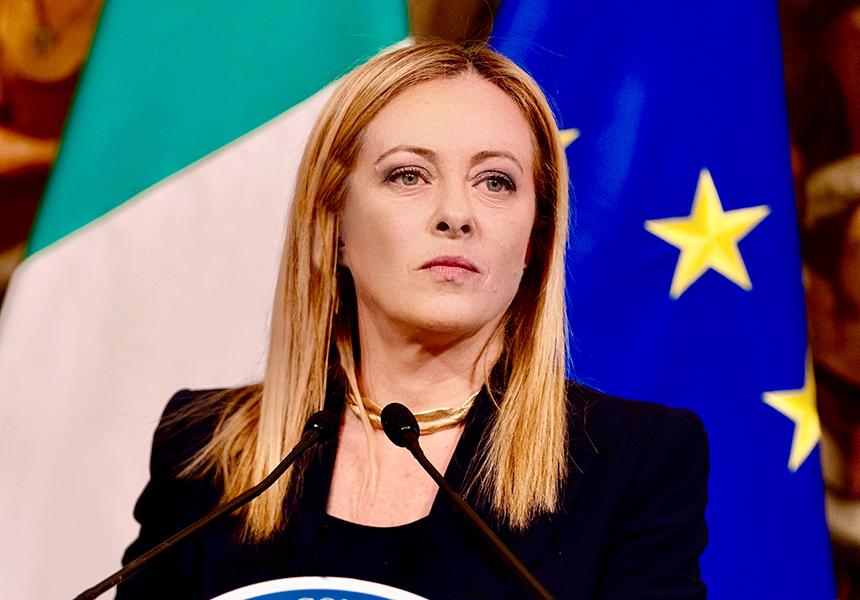
Italian Prime Minister Giorgia Meloni has strongly criticised a Milan court’s decision to release Youssef Siher, a 30-year-old Italian researcher and freelance journalist of Moroccan origin accused of running social media
channels associated with the so-called “October 17 Movement”. The group came to prominence following a weekend of rioting, looting and damage to businesses in Milan on October 17–18.
In a video published on X on Wednesday, Meloni condemned the preliminary investigations judge’s refusal to validate Siher’s arrest, describing the ruling as “shameful” and an affront to the efforts of police and investigators.
The prime minister argued that the decision undermined the work of law enforcement agencies and the Interior Ministry, which she said were working to protect citizens, businesses and urban communities from violence and destruction.
Meloni also questioned how the state could effectively safeguard law-abiding residents if judicial decisions of this kind were allowed to stand. She specifically pointed to allegations that Siher had managed the movement’s Telegram channel, which prosecutors reportedly linked to calls for demonstrations that subsequently escalated into violence and the destruction of property in Milan.
The case has triggered further criticism from senior members of the Italian government, including Deputy Prime Minister and Transport Minister Matteo Salvini, leader of the right-wing League party.
Salvini described Siher’s release as “incredible”, arguing that the Milan Public Prosecutor’s Office had presented serious allegations against him. These reportedly included incitement to commit criminal offences with the aim of promoting terrorism, alongside concerns that the suspect could flee or engage in further criminal activity.
The League leader said the ruling was difficult to understand in light of the recent unrest and damage reported in several incidents. He also raised concerns about the possibility of further disturbances, particularly in connection with demonstrations scheduled to take place in Milan on Friday.
In a pointed response to the court’s decision, Salvini questioned whether the judge should bear personal financial responsibility if additional violence or property damage occurred.
The controversy has brought renewed attention to the relationship between Italy’s political leadership and the judiciary, particularly in cases involving public disorder, alleged incitement and national security.
However, the decision not to validate an arrest does not, by itself, establish the innocence or guilt of the person concerned. The allegations against Siher remain accusations, and any determination of criminal responsibility must follow the applicable judicial process. Photo by Italian government, Wikimedia commons.