Economics
- Category: Economics

Will Slovakia follow Italy’s path on property prices?
For decades, owning property in Slovakia has been more than just a housing decision—it has been a cultural and financial cornerstone. Many Slovaks view real estate as one of the safest long-term investments, offering both stability and steady appreciation. Buying a home is often a priority early in one’s career, seen as a reliable way to build wealth.
This belief has been largely justified. Aside from the downturn following the 2008 financial crisis, Slovakia’s housing market has shown consistent growth. Over the past decade, property prices have surged by more than 120%, reinforcing confidence in real estate as a dependable asset.
But markets evolve—and past gains do not guarantee future returns.
A demographic shift that could reshape the market
A growing concern among economists is Slovakia’s changing demographic structure. The population is ageing rapidly, with a rising number of retirees and a shrinking base of younger people.
This shift matters because the core group of property buyers—people aged 25 to 44—is steadily declining. According to economist Zdenko Štefanides, this segment could shrink by nearly 30% by 2040, representing around 460,000 fewer potential buyers.
In practical terms, this means that within the next 10–15 years, a significant portion of today’s demand for housing may simply disappear. Fewer buyers could translate into weaker price growth—or even declines in certain regions.
Regional divide: growth vs. decline
Not all parts of Slovakia will be affected equally. Major urban centers like Bratislava and Košice are likely to remain relatively resilient due to stronger job markets, infrastructure, and migration inflows.
However, smaller towns and rural areas face a different reality. Depopulation, limited economic opportunities, and ageing residents could lead to:
- Lower demand for housing
- Longer selling times
- Gradual price stagnation or decline
This pattern mirrors trends already seen in parts of southern Europe, particularly in Italy, where some regions have experienced long-term property devaluation.
Current real estate prices in Slovakia
As of recent market trends:
- Bratislava remains the most expensive market, with average apartment prices typically ranging between
- €3,500–€4,500 per square meter, depending on location and property type.
- In regional cities like Žilina, Nitra, or Banská Bystrica, prices are more moderate, usually between €2,000–€3,000 per square meter.
- Rural areas can fall well below €1,500 per square meter, with some declining regions seeing minimal price growth or even drops.
While prices surged sharply between 2015 and 2022, the market has recently cooled due to higher interest rates and reduced affordability.
What this means for buyers and investors
Slovakia’s property market is entering a more complex phase. While real estate may still be a solid investment in key locations, the assumption of universal price growth is becoming less certain.
Future outcomes will likely depend on:
- Demographic trends
- Internal migration toward cities
- Economic development in regions
- Interest rate movements
For buyers, this means being more selective. For investors, it signals a shift from a “buy anywhere, profit everywhere” mindset to a more strategic, location-driven approach.
The bottom line
Slovakia is unlikely to see a nationwide collapse in property prices. However, demographic pressures could create a two-speed market: stable or growing cities alongside declining rural areas.
The key question is no longer whether property prices will rise—but where they will continue to rise, and where they may not. Photo by Sailko, Wikimedia commons.
- Category: Economics

Germany’s producer prices declined by 2.5% year-on-year in December, the Federal Statistics Office reported on Tuesday, broadly in line with analysts’ forecasts.
- Category: Economics

Switzerland’s job market showed further signs of strain at the end of the year, with unemployment continuing its upward trend in December. New figures from the
- Category: Economics
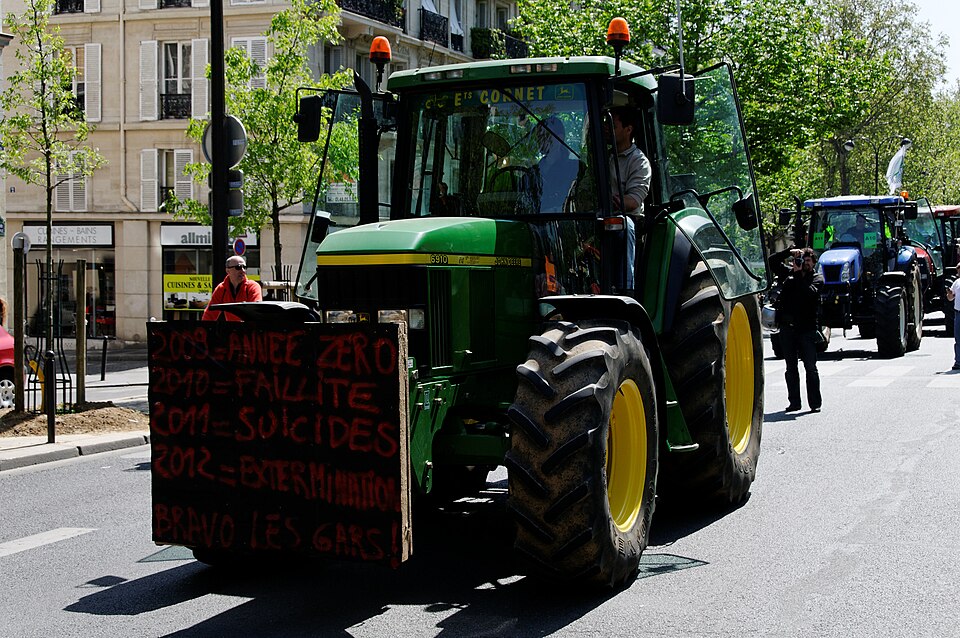
France has announced tighter controls on a range of food imports in an effort to ease mounting pressure from farmers protesting against the EU’s planned trade deal with the South American
- Category: Economics

Portugal’s statutory retirement age will increase once more in 2027, reaching 66 years and 11 months, according to a decree published on Monday in the
- Category: Economics

Nearly two-thirds of German engineering companies expect revenues to take a hit from U.S. tariffs, with almost half anticipating losses exceeding 10%, according to a new survey by industry
- Category: Economics
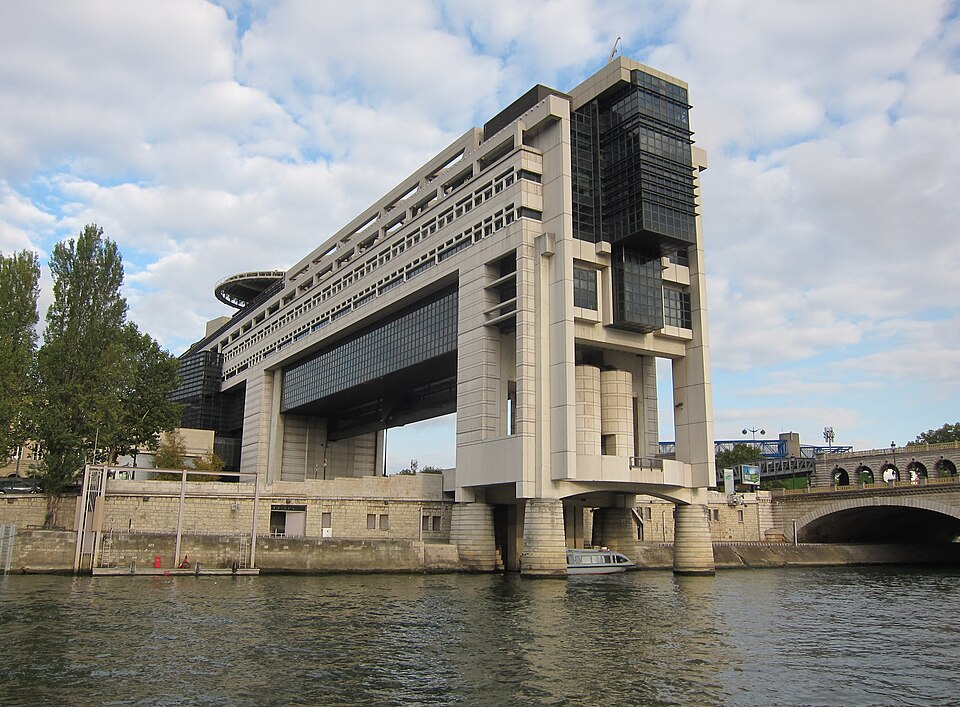
France’s economy is on track to grow faster than initially expected in 2025, with expansion likely to reach at least 0.8%, according to Finance Minister Roland Lescure. The revised outlook
- Category: Economics

House prices in the Netherlands are still rising on an annual basis, but the pace of growth is losing momentum, according to new data from the national statistics office CBS and the land
- Category: Economics
French consumer price growth eased more than expected in October, rising 0.8% year-on-year, according to final data released on Friday by national statistics agency INSEE. The figure came
- Category: Economics

Roughly 6,500 non-EU nationals have taken up short-term employment in Estonia this year, with Ukrainians, Moldovans, and Uzbeks making up the largest share, according to
More Articles …
Page 1 of 72