Germany has stepped up efforts to attract international investment, bringing together business leaders, investors and senior government officials at its first high-level “Invest in Germany Summit” in Berlin.
The initiative aims to accelerate economic modernisation, stimulate job creation and strengthen the country’s long-term prosperity.
The summit, held on 20 October 2026, gathered approximately 200 German and international executives and investors alongside leading political figures. Federal Chancellor Friedrich Merz described the event as a successful effort to demonstrate Germany’s openness to global investment.
According to the Chancellor, investment commitments worth approximately €230 billion have already been secured, reinforcing Germany’s position as an attractive destination for companies seeking opportunities in Europe’s largest economy.
The government hopes to translate these commitments into concrete projects, with private investment viewed as a crucial driver of economic growth, employment and industrial development.
Government pledges to accelerate economic reforms
Opening the summit at the European School of Management and Technology, Merz reaffirmed the government’s commitment to an ambitious programme of economic reform and modernisation.
He described the agenda as one of the most far-reaching reform initiatives undertaken in Germany in recent decades, aimed at improving the country’s competitiveness and creating a more favourable environment for businesses.
The Chancellor also pointed to the “Made for Germany” business initiative, under which companies have pledged to invest €800 billion in the country by 2028.
Despite mounting geopolitical tensions, Merz said Germany’s economic growth was accelerating in 2026, highlighting the importance of maintaining momentum through continued reforms and increased investment.
Germany targets investment in strategic industries
The summit focused on three principal objectives: directing capital towards key industries, mobilising private financing and establishing long-term relationships with investors.
Germany’s modernisation programme is expected to create substantial opportunities across several sectors, including energy, industrial artificial intelligence, semiconductor manufacturing, data centres, transport, digital infrastructure, advanced technology and space.
The government is seeking investment in both newly developed projects and the expansion or modernisation of existing industrial facilities.
Officials believe the scale of Germany’s transformation could offer investors opportunities that have rarely been available in recent decades.
Public funding to unlock private capital
A central element of the government’s strategy is to attract private financing to support innovation and economic expansion.
The proposed Germany Fund, backed by approximately €30 billion in public funding, is intended to mobilise more than €130 billion in total investment.
The initiative is designed to use public resources to encourage private investors to finance projects that could otherwise struggle to secure sufficient long-term capital.
The government also intends to strengthen Germany’s investment environment by improving conditions for businesses and maintaining closer engagement with international investors.
The summit marked the beginning of a broader “Invest in Germany Initiative”, which will establish a more systematic approach to investor support, communication and ongoing cooperation.
Government and business leaders discuss Germany’s economic future
The event opened on 19 October with an evening reception at Kraftwerk Berlin, attended by up to 500 invited guests.
Merz delivered an address and participated in a discussion with Nvidia founder and chief executive Jensen Huang, focusing on Germany’s investment prospects and the role of technology in economic development.
The following day, business representatives joined a panel discussion examining Germany’s competitive advantages and future investment potential.
Several government ministers subsequently led specialist workshops covering industrial AI, digital transformation, investment financing and other strategic areas.
Participants included Vice-Chancellor and Finance Minister Lars Klingbeil, Economy Minister Katherina Reiche, Research Minister Dorothee Bär, Digital Transformation Minister Karsten Wildberger, Transport Minister Steffen Bilger and Building Minister Verena Hubertz.
Martin Blessing, the Federal Government’s Investment Commissioner, also took part in the discussions.
The workshops were organised in cooperation with representatives of the business community, while government officials held additional bilateral meetings with investors.
Germany highlights stability and economic potential
The Federal Government is presenting Germany’s established economic strengths as a foundation for attracting further investment.
The country remains the world’s third-largest economy and is characterised by political and legal stability, a strong research sector and an advanced industrial base.
According to the government, Germany is the only G7 member to hold the highest credit rating from all three leading international rating agencies.
Berlin has made improving the country’s investment conditions a central priority, particularly as businesses reassess their global operations amid geopolitical uncertainty.
Through the summit and the newly launched investment initiative, the government aims to convert Germany’s economic strengths into new industrial projects, technological advances and sustainable employment.
The broader objective is to position Germany as a leading destination for international capital while ensuring that investment contributes directly to the country’s long-term economic resilience and prosperity.
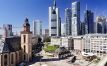
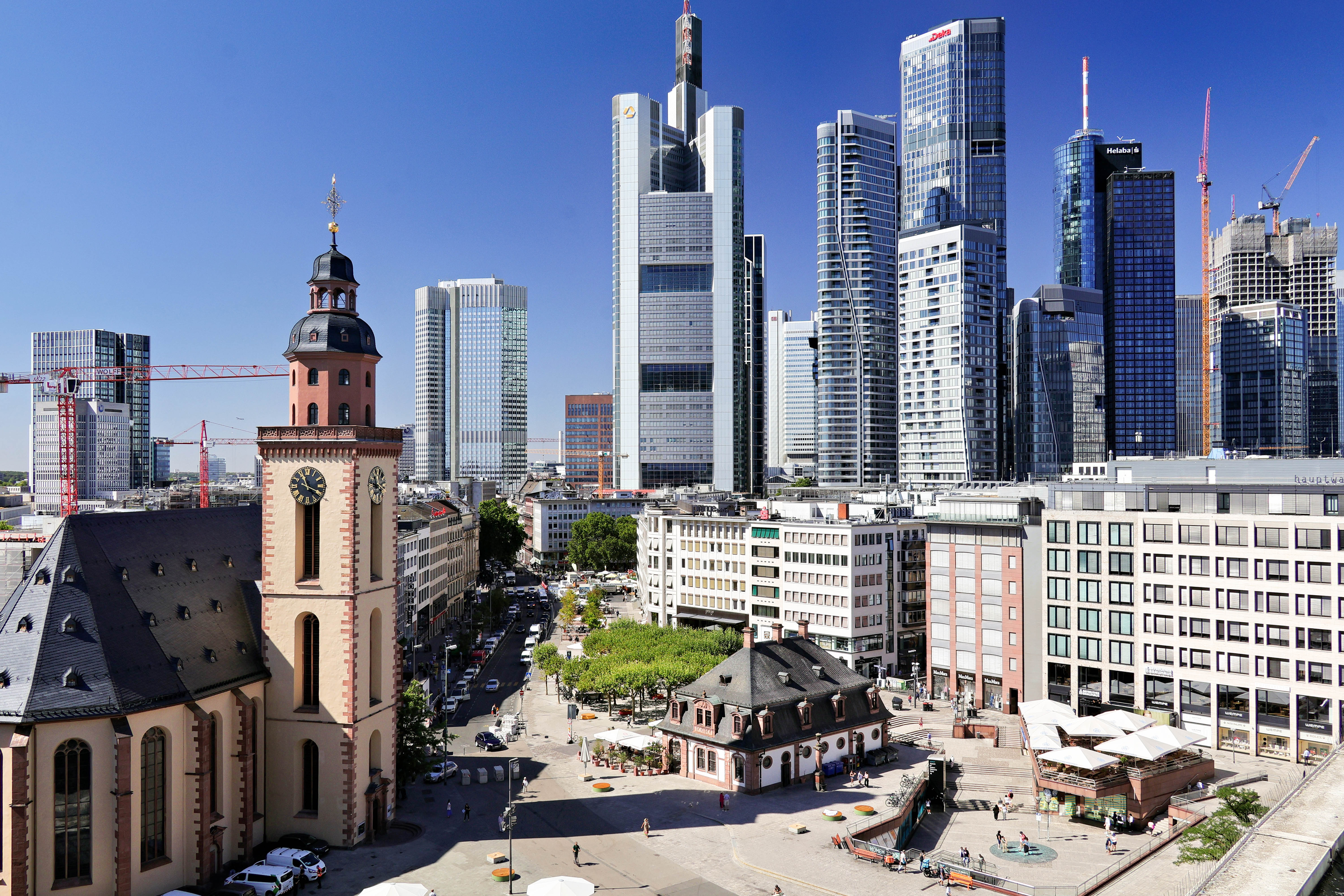
Photo by Dr. Thomas Liptak, Wikimedia commons.