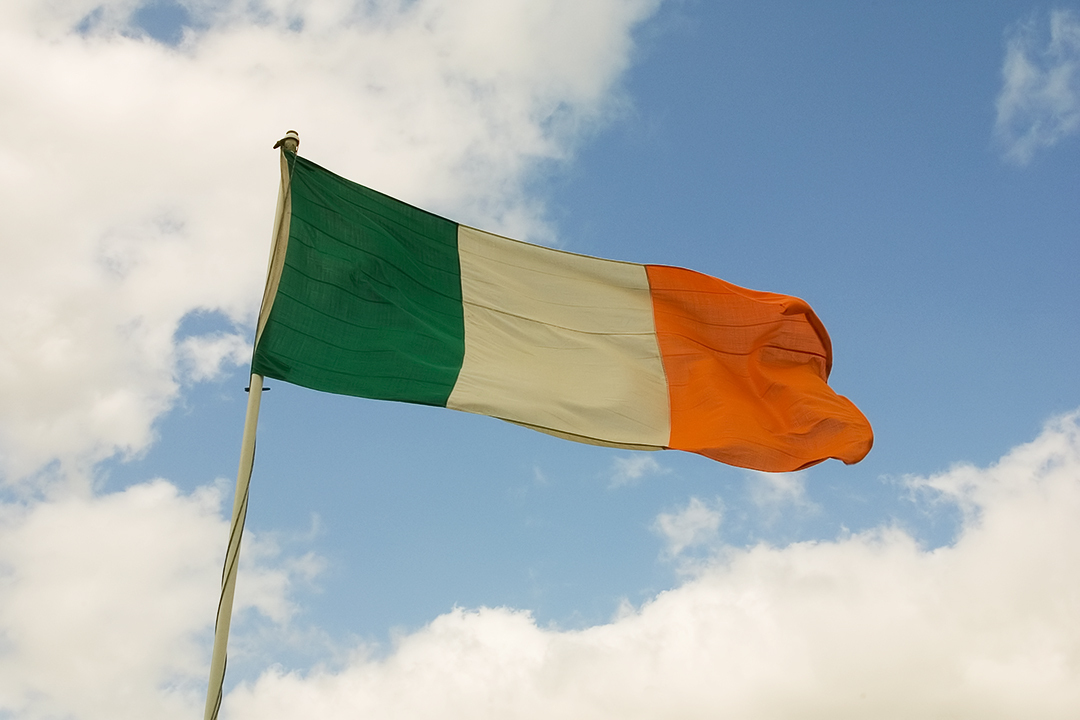
Ireland is seeking to accelerate the European Union’s enlargement process during its EU Council Presidency, with the Western Balkans remaining a central focus of diplomatic efforts. Dublin has reaffirmed its commitment
to bringing aspiring members closer to the bloc, while insisting that progress must be based on genuine reforms and the fulfilment of accession requirements.
A key development is expected on 6 November, when Ireland’s Minister of State for European Affairs and Defence, Thomas Byrne, will chair an Intergovernmental Conference with Montenegro in Brussels. The meeting is expected to advance the country’s EU membership negotiations by provisionally closing another negotiating chapter.
Montenegro has already completed 21 of the 33 negotiating chapters required in its accession process, making it one of the most advanced candidates among countries seeking EU membership. The upcoming conference is intended to build on that progress and maintain momentum towards eventual accession.
Enlargement Remains a Strategic Priority
Speaking at an event in Dublin on 3 November, Byrne stressed that the Irish Presidency intends to secure further progress on enlargement before the end of 2026. He said Ireland was working closely with European Commissioner for Enlargement Marta Kos and EU member states to advance the candidacies of countries seeking to join the bloc.
“EU enlargement is a key priority of the Irish Presidency,” Byrne said, adding that maintaining momentum in Montenegro’s accession negotiations was essential.
He also emphasised that the process must remain rigorous, warning against both shortcuts and shortcomings in meeting membership requirements.
The minister said Ireland remained committed to advancing all candidate countries, provided they implement the necessary reforms and satisfy the conditions for membership.
EU accession negotiations cover a wide range of policy areas, including the rule of law, judicial independence, economic governance, public administration and the adoption of EU legislation. Each negotiating chapter must be provisionally closed before the entire accession process can be completed.
Western Balkans Strengthen Ties with Ireland
Ireland’s engagement with the Western Balkans has expanded significantly in recent years, reflecting Dublin’s broader commitment to European integration.
Byrne highlighted the opening of Irish embassies in Belgrade and Sarajevo in 2025 as a demonstration of Ireland’s growing diplomatic presence in the region.
He said bilateral relations between Ireland and Western Balkan countries had reached an unprecedented level, adding that Dublin viewed EU membership as an important opportunity for regional stability and economic development.
The Western Balkans remain a strategically important region for the EU. Enlargement is intended to strengthen democratic institutions, promote economic convergence and reinforce political stability across the continent.
The EU’s Growth Plan for the Western Balkans also seeks to bring candidate countries closer to the bloc’s single market, expand regional economic cooperation and support reforms through additional financial assistance.
Culture and Diaspora as Bridges to Europe
Byrne’s remarks were delivered at an event entitled “Developing Common Threads between Ireland and the Western Balkan States: Culture, Diaspora and Soft Diplomacy in Global Relations”.
The gathering took place at Europe House in Dublin and was organised by CARADEM in cooperation with the Keough School of Global Affairs at the University of Notre Dame and the European Commission Representation in Ireland.
The event explored how cultural exchange, diaspora communities and people-to-people connections can strengthen relations between Ireland and the Western Balkans.
Beyond formal negotiations, these connections can help deepen mutual understanding, encourage cooperation between communities and reinforce the European aspirations of countries seeking membership.
For Ireland, the enlargement agenda is therefore not limited to diplomatic discussions in Brussels. It also involves building stronger relationships with societies across the region and supporting their long-term integration into the European project.
With the Irish Presidency seeking further progress before the end of the year, Montenegro’s accession negotiations are expected to remain a key test of the EU’s ability to translate its political commitment to enlargement into concrete results. Photo by Kanchelskis, Wikimedia commons.