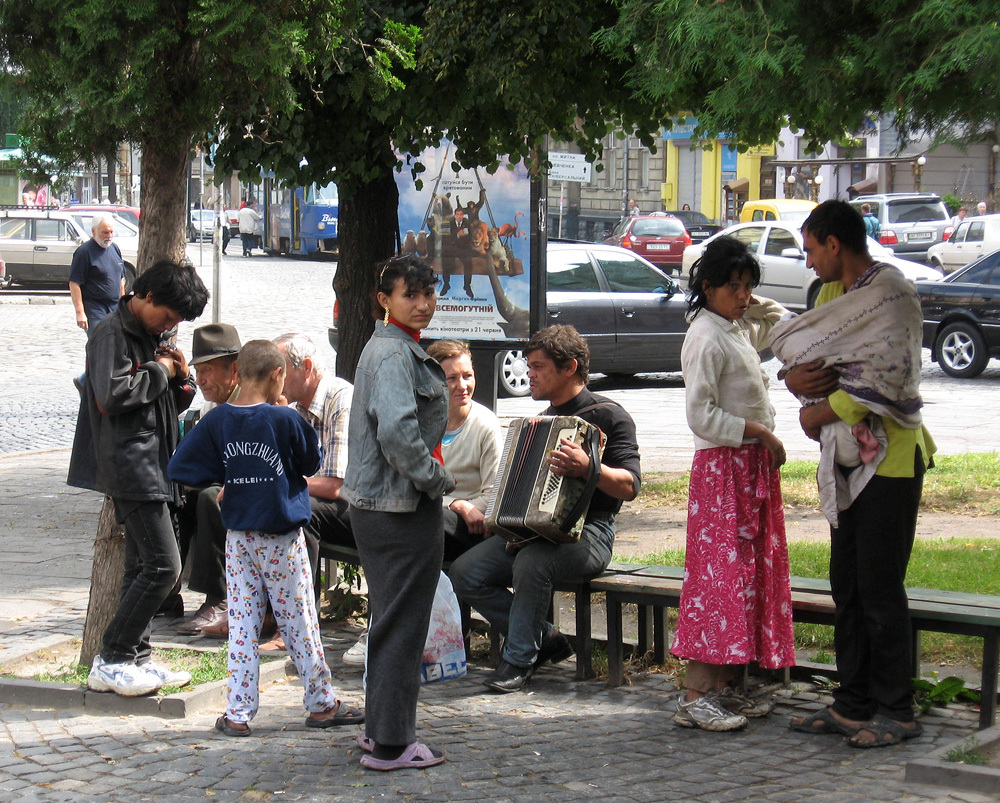
The European Union has recorded significant improvements in the living conditions, employment prospects and social inclusion of Roma communities, although deep-rooted discrimination, educational segregation and
poverty continue to prevent millions of people from enjoying equal rights and opportunities.
A new European Commission assessment of the EU Roma Strategic Framework for Equality, Inclusion and Participation 2020–2030 highlights progress achieved between June 2023 and March 2025. Published on 3 November 2026, the report identifies positive developments in employment, early childhood education and care, and the coordination of national policies, while warning that further action is necessary to meet the framework’s objectives by the end of the decade.
The findings underline a persistent divide between improvements in certain social indicators and the structural barriers that continue to affect Roma people across the Union.
Europe's largest ethnic minority continues to face exclusion
Roma people represent Europe's largest ethnic minority, with an estimated 10–12 million living across the continent, including approximately six million within the European Union. The term Roma is used in EU policy as an umbrella designation encompassing diverse communities, including Roma, Sinti, Kale, Ashkali, Boyash, Lom, Dom and Traveller populations.
Roma communities have been an integral part of European history and cultural life for centuries, contributing to the continent's artistic, linguistic, economic and social heritage. However, their experience has also been shaped by historical persecution, exclusion and discrimination.
Today, Roma people live in all EU Member States, with particularly significant populations in Central, Eastern and Southern Europe. Their circumstances vary considerably between countries and communities, but many continue to encounter unequal access to education, employment, healthcare, housing and public services.
The European Commission's framework seeks to address these inequalities through three interconnected priorities: equality, social and economic inclusion, and meaningful participation in public life. It also recognises that tackling antigypsyism — a specific form of racism directed against Roma people — is essential to achieving lasting improvements.
Employment and living conditions show measurable improvement
The Commission's latest assessment identifies substantial progress across several indicators measuring the social and economic position of Roma communities.
Severe material deprivation among Roma people declined from 62% in 2016 to 37% in 2024. Housing deprivation also decreased, falling from 61% to 47% over the same period.
Employment opportunities have improved, with the proportion of Roma people in paid work increasing from 43% to 54%. The Commission estimates that most employment-related targets could be achieved by 2030 if the current pace of progress continues.
Young Roma people are also increasingly participating in education, employment or vocational training. The proportion of young people who are neither in employment nor education or training has declined, with the share participating in these activities rising from 38% to 53%.
Participation in early childhood education and care has similarly increased, from 42% to 53%. This development is particularly important because access to quality early education can help reduce educational disadvantages before children enter primary school.
Despite these improvements, the participation rate remains considerably lower than that of the general population, highlighting the need for continued investment in accessible and inclusive early education.
Educational segregation remains a major obstacle
The report warns that progress is far from uniform across all areas of Roma inclusion.
Educational segregation remains one of the most persistent challenges facing Roma children. Nearly half of Roma children continue to attend schools where Roma pupils are disproportionately concentrated, while only around one-third of Roma young people complete upper secondary education.
The consequences extend beyond the classroom. Limited access to quality education can restrict employment opportunities, reinforce poverty and make it more difficult for younger generations to achieve economic independence.
The Commission has repeatedly called on Member States to address both educational and residential segregation, recognising that the two problems are closely connected. Roma families living in segregated or disadvantaged neighbourhoods may face additional barriers to accessing quality schools, healthcare facilities and other essential services.
Ensuring that Roma children can participate in mainstream education on equal terms with their peers remains a central objective of the EU strategy.
Discrimination and poverty continue to affect millions
Although employment and housing indicators have improved, discrimination remains widespread.
According to the Commission's assessment, 31% of Roma people continue to experience ethnic discrimination. Progress has also stagnated in reducing discrimination, improving the reporting of discriminatory incidents and addressing inequalities between Roma women and men in paid employment.
The report further highlights the scale of child poverty within Roma communities. Approximately 77% of Roma children remain at risk of poverty, while 40% of Roma households continue to experience severe material deprivation.
These figures demonstrate that improvements in individual indicators have not yet translated into equal living conditions for all Roma families.
Poverty, discrimination and social exclusion frequently reinforce one another. Children growing up in disadvantaged households may have fewer opportunities to access quality education, while adults facing discrimination in the labour market can experience persistent difficulties securing stable employment and adequate housing.
The Commission argues that addressing these challenges requires coordinated policies rather than isolated interventions in individual sectors.
EU funding and national strategies remain central to progress
The European Commission is calling on Member States to strengthen the implementation of their national Roma strategic frameworks and accelerate progress towards the 2030 targets.
National authorities are encouraged to improve institutional capacity, strengthen coordination between government departments and local administrations, and establish more effective monitoring mechanisms.
The Commission also emphasises the importance of integrated policies covering education, employment, healthcare, housing and anti-discrimination measures.
EU funding is expected to play a significant role in supporting these efforts. Through the European Social Fund Plus (ESF+), approximately €1.8 billion has been allocated for targeted interventions benefiting marginalised communities, including Roma, in 15 Member States during the 2021–2027 funding period.
The funding supports initiatives designed to improve access to education and employment, strengthen social inclusion and address barriers affecting disadvantaged communities.
The Commission will continue monitoring the implementation of the EU Roma Strategic Framework, with its next implementation report scheduled for 2028.
A European commitment to equality
The EU Roma Strategic Framework, introduced in October 2020, established common quantitative targets for the first time, providing Member States with a shared basis for measuring progress towards Roma equality and inclusion by 2030.
The framework is complemented by the Council Recommendation of 12 March 2021, under which Member States committed to developing and implementing national Roma strategic frameworks.
Its implementation is monitored through national reports, surveys conducted by the European Union Agency for Fundamental Rights (FRA), and contributions from Roma civil society organisations and other stakeholders.
The strategy is also supported by broader EU legislation and initiatives, including the Racial Equality Directive, measures combating racism and xenophobia, the European Child Guarantee and the European Affordable Housing Plan.
These initiatives aim to ensure that Roma inclusion is addressed not only through dedicated programmes, but also through wider European policies on social rights, housing, education and equality.
The Commission's latest assessment highlights the importance of maintaining political commitment and ensuring that existing legal protections translate into tangible improvements in everyday life.
While the reduction in material deprivation and the expansion of employment opportunities demonstrate that progress is possible, persistent educational segregation, discrimination and child poverty remain serious challenges.
Achieving the EU's 2030 objectives will depend on whether Member States can turn these positive developments into sustained, measurable improvements in the lives of Roma people across Europe.
For the European Union, the challenge is not simply to improve statistical indicators, but to ensure that Roma communities can participate fully and equally in the economic, social, cultural and political life of the continent. Photo by Водник at ru.wikipedia, Wikimedia commons.