Montenegro has emerged as the frontrunner in the European Union's enlargement process, with Albania occupying the second position among the leading candidates. However, despite growing momentum, neither
country has a guaranteed date for joining the bloc, as accession remains dependent on reforms, negotiations and political decisions across the EU.
Montenegro is moving closer to European Union membership than any other candidate country, while Albania is making significant progress in the accession process. The European Commission's latest enlargement assessment highlights the advances achieved by both Western Balkan nations, but also underscores that the road to membership remains conditional rather than predetermined.
The Commission's 2026 Enlargement Package, published on 4 November, identifies Montenegro as the leading candidate in the EU accession process. Albania is also among the most advanced countries, having made substantial progress in opening negotiations and implementing reforms.
Nevertheless, the progress of both countries illustrates an important distinction: advancing through accession negotiations does not automatically translate into a confirmed date of EU membership.
Montenegro moves closer to the EU
Montenegro has consolidated its position as the leading candidate for EU membership after years of negotiations and institutional reforms.
According to the European Commission, the country has provisionally closed 21 of its 33 negotiating chapters, bringing it significantly closer to completing the accession process.
The Commission considers that Montenegro has met the outstanding closing benchmarks and that accession negotiations could realistically be concluded by the end of 2026.
The country is therefore entering a new phase of preparation, with attention shifting towards the finalisation of negotiations, the accession treaty and the institutional arrangements required for membership.
Montenegro's progress demonstrates that the EU enlargement process can deliver tangible results when a candidate country maintains political commitment and implements the necessary reforms.
However, the completion of negotiations would not immediately make Montenegro an EU member. The accession treaty would still need to be finalised, signed and ratified by all 27 existing member states.
Montenegro's ambition to join the EU in 2028 therefore remains a target rather than a legally guaranteed outcome.
Albania takes second place in the accession race
Albania has also strengthened its position among the EU's leading enlargement candidates.
The country opened all 33 negotiating chapters in just over a year, marking a significant acceleration in its accession process. It has provisionally closed four chapters and achieved important milestones in the rule-of-law reform agenda.
The European Commission recognises Albania's progress, while emphasising the need to maintain the pace and quality of reforms.
Further improvements are required in areas including judicial independence, democratic institutions, the rule of law and the effective implementation of European standards.
Albania's ambition to conclude accession negotiations by the end of 2027 reflects its determination to move forward rapidly.
Yet, as with Montenegro, the timetable remains dependent on the country's ability to meet all the requirements and on the decisions of EU institutions and member states.
No guaranteed timetable for EU membership
The European Commission's assessment highlights a fundamental principle of EU enlargement: accession is based on individual merit and the fulfilment of membership criteria.
Although Montenegro and Albania are among the countries making the most significant progress, neither has received an unconditional guarantee of membership by a specific date.
The accession process involves several stages, including the completion of negotiations, the preparation and signing of an accession treaty, and its ratification by all EU member states.
Political developments within candidate countries and the EU itself can also influence the pace of enlargement.
The Commission's proposed roadmaps for the most advanced candidates are intended to make the process more predictable by establishing milestones, priorities and a clearer framework for the next stages of negotiations.
However, these roadmaps do not prejudge the outcome or timing of accession.
Enlargement gains momentum, but reforms remain decisive
The progress of Montenegro and Albania comes at a time when EU enlargement has regained strategic importance.
The European Commission considers enlargement a key instrument for strengthening European security, economic integration and democratic stability.
The latest assessment also makes clear that progress among candidate countries remains uneven. While some governments have advanced considerably, others continue to face significant political and institutional obstacles.
For Montenegro and Albania, the next phase will require sustained reforms, political cooperation and the continued implementation of European standards.
Montenegro currently stands at the forefront of the accession process, with Albania following closely behind.
But the central message of the European Commission remains clear: the ambition to join the European Union must be supported by concrete reforms, and no candidate country can consider membership a certainty until all accession requirements have been fulfilled.
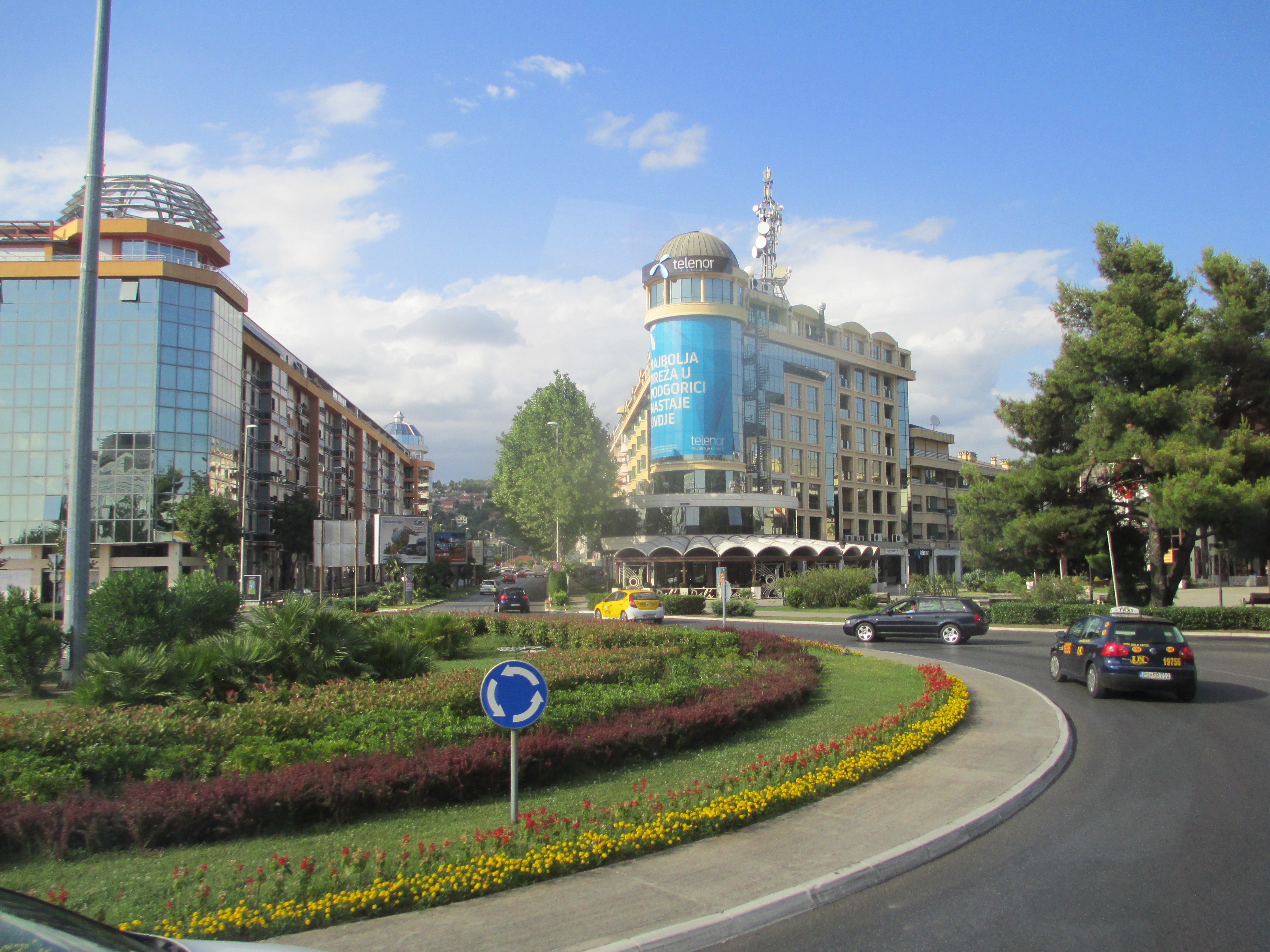
Source: European Commission, 2026 Enlargement Package. Photo by Avi1111 dr. avishai teicher, Wikimedia commons.