The European Union continues to regard humanitarian assistance to developing and crisis-affected countries as a central pillar of its foreign policy. Amid growing global instability, armed conflicts and displacement,
Brussels is seeking to strengthen its role as a reliable international donor, with particular attention to vulnerable populations in regions facing prolonged humanitarian emergencies.
One of the most important examples of this commitment is the EU's support for Myanmar and neighbouring Bangladesh, where the ongoing conflict and the Rohingya refugee crisis have created enormous humanitarian challenges. The European Commission has announced an additional €16 million in humanitarian assistance to support communities affected by the conflict in Myanmar, as well as Rohingya refugees and the communities hosting them in Bangladesh.
The new funding comes at a time when escalating violence in Myanmar continues to worsen living conditions, increase food insecurity and force thousands of people to flee their homes. The EU's assistance will focus on immediate humanitarian priorities, including food supplies, healthcare, nutrition and protection services.
In Myanmar, the situation is particularly concerning due to the combined effects of armed conflict, flooding, rising global fuel prices and the anticipated impact of the Super El Niño weather phenomenon. These factors are placing additional pressure on already fragile communities and threatening access to basic necessities. More than four million people have been displaced within the country, making Myanmar one of the world's largest displacement crises.
Bangladesh, meanwhile, continues to face the consequences of the Rohingya refugee crisis. Approximately 1.2 million refugees are living in precarious conditions, many of them in overcrowded camps and heavily dependent on international humanitarian assistance. The arrival of additional refugees from Myanmar is putting further pressure on essential services, including healthcare, food distribution and protection programmes.
The EU's new allocation will therefore prioritise food security, medical assistance and protection services for refugees and their host communities. This approach reflects Brussels' recognition that humanitarian support must address not only the immediate needs of displaced populations but also the economic and social pressures experienced by countries providing them with shelter.
The latest €16 million package supplements more than €50 million in humanitarian assistance allocated since January 2026 to address the crisis in Myanmar and its regional consequences, including in Thailand, Malaysia, Indonesia and India. It also comes on top of more than €23 million already committed to humanitarian assistance in Bangladesh this year.
The relationship between the European Union and Bangladesh has consequently acquired an increasingly important humanitarian dimension. Brussels views Bangladesh as a key regional partner in responding to the Rohingya crisis, while continued European assistance is essential to maintaining basic living conditions for hundreds of thousands of displaced people. The situation also highlights the importance of international cooperation in addressing the long-term consequences of conflicts that extend beyond national borders.
The scale of the challenge is considerable. According to the European Commission, approximately 239 million people worldwide currently require humanitarian assistance, while available international funding is sufficient to reach fewer than half of those in need. Against this background, the EU and its Member States are seeking to maintain their position as predictable and dependable humanitarian donors.
The European Commission has allocated an initial €2 billion for humanitarian assistance in 2026. In May, a new Joint Communication further outlined the EU's commitment to strengthening its role as a humanitarian partner while improving the effectiveness of international aid and making the global humanitarian system more resilient.
Public opinion also provides a strong mandate for this approach. A 2024 Eurobarometer survey found that 91% of respondents considered it important for the European Union to finance humanitarian assistance.
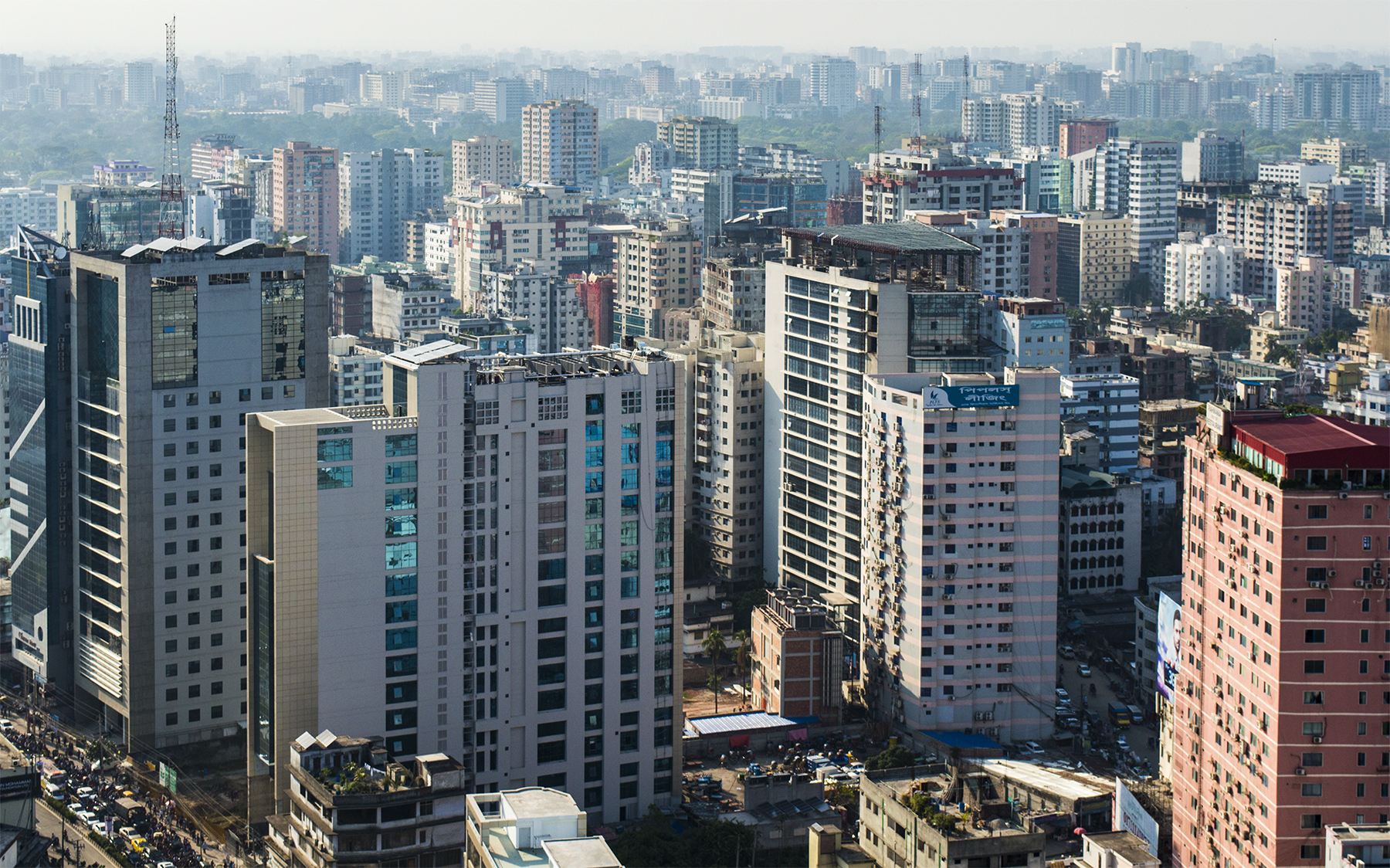
The additional funding for Myanmar and Bangladesh demonstrates that humanitarian aid remains an important instrument of European foreign policy. Beyond providing emergency relief, such assistance strengthens the EU's international partnerships, supports regional stability and demonstrates solidarity with populations affected by conflict and displacement. The Rohingya crisis, in particular, remains a significant test of the international community's ability to sustain humanitarian commitments while seeking longer-term solutions to one of Asia's most persistent refugee emergencies. Photo by ASaber91, Wikimedia commons.