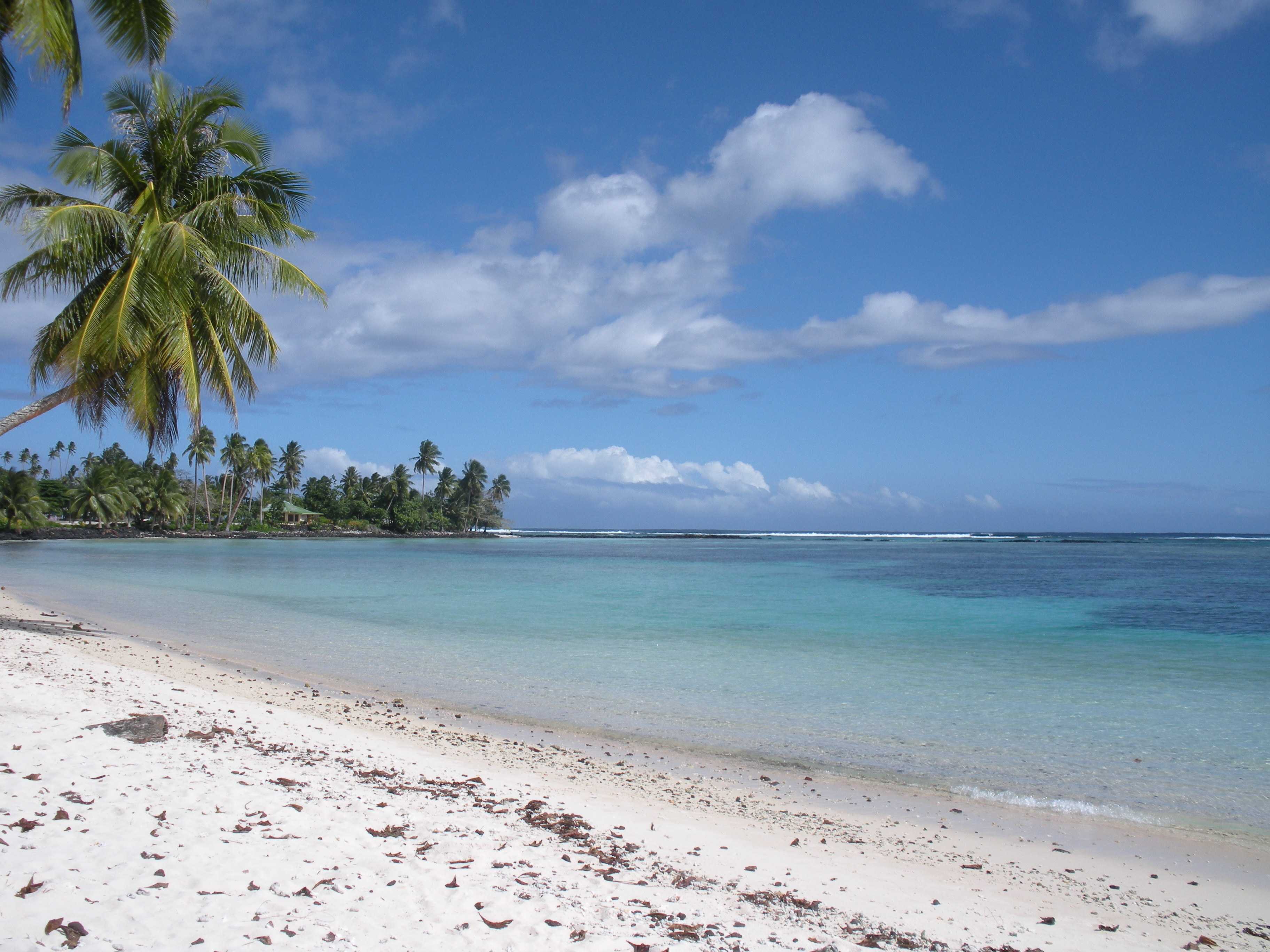
The European Union is seeking to strengthen its diplomatic presence and expand cooperation with countries across the world, with high-level parliamentary delegations becoming an important instrument of its foreign
policy. A new meeting scheduled for next week in Brussels will bring together representatives from Europe, Africa, the Caribbean and the Pacific, providing an opportunity to address shared global challenges and establish priorities for future cooperation.
From 9 to 13 November, approximately 160 parliamentarians from African, Caribbean and Pacific (ACP) countries, alongside Members of the European Parliament, will gather at the European Parliament for the second plenary session of the Organisation of African, Caribbean and Pacific States–European Union (OACPS–EU) Joint Parliamentary Assembly.
The meeting represents an important stage in the implementation of the Samoa Agreement, which entered into force in January 2024 and established a renewed framework for political dialogue and cooperation between the EU and the Organisation of African, Caribbean and Pacific States. The agreement marked the beginning of a new phase in relations between the two sides, providing a broader basis for addressing international challenges, strengthening institutional partnerships and promoting sustainable development.
The parliamentary gathering comes at a time of profound geopolitical transformation, increasing international competition and growing pressure on the multilateral system. Against this background, discussions will focus on several strategic issues, including international security, the future of multilateral cooperation, ocean protection, development financing and the global competition for critical raw materials.
The EU's Global Gateway strategy is also expected to feature prominently on the agenda. Through this initiative, the European Union aims to strengthen international connectivity and promote investment in infrastructure, digital technologies, energy and transport. Cooperation with African, Caribbean and Pacific countries represents an important dimension of these ambitions, particularly as Europe seeks to develop more diversified economic partnerships and strengthen its position in an increasingly competitive international environment.
The opening session on 9 November will feature an address by European Parliament President Roberta Metsola, followed by a speech from José Ramos-Horta, President of Timor-Leste. Their participation underlines the political importance attached to the assembly and the EU's intention to maintain direct dialogue with its international partners at the highest institutional level.
The programme will also include dedicated youth and women's forums, as well as consultations with civil society representatives. These initiatives are intended to broaden participation in the diplomatic process and ensure that discussions extend beyond government institutions and parliamentary representatives.
The Samoa Agreement provides the institutional foundation for this expanding relationship. By establishing a comprehensive framework for cooperation, it offers the EU and its partners an opportunity to coordinate positions on international affairs, address regional development priorities and strengthen political dialogue.
For Brussels, engagement with the African, Caribbean and Pacific regions is becoming increasingly important not only from a development perspective but also in the context of global security, access to strategic resources and the future of international governance. The forthcoming parliamentary assembly therefore represents more than a diplomatic gathering: it is part of a broader European effort to build stronger international partnerships and reinforce its role in shaping the global political agenda. Photo by Stephen Glauser, Wikimedia commons.