The cancellation of Jewish cultural and educational events in the Netherlands has raised serious questions about the future of Jewish life in Europe. Despite the European Union’s commitment to combating antisemitism
and revitalising Jewish communities, security concerns are increasingly being cited as reasons to restrict activities intended to preserve Jewish identity, history and cultural heritage.
The protection of Jewish communities has become an important priority for European governments, particularly amid rising tensions linked to the conflict in the Middle East. However, a troubling contradiction is emerging: measures supposedly intended to protect Jewish citizens may, in practice, contribute to their exclusion from public and cultural life.
The European Union adopted its first Strategy on Combating Antisemitism and Fostering Jewish Life for 2021–2030, establishing a comprehensive framework for protecting Jewish communities, preserving Jewish heritage and ensuring that Jewish citizens can participate fully in European society.
Yet recent developments suggest that implementing these commitments is becoming increasingly difficult. Jewish exhibitions, educational lectures and cultural programmes are facing cancellation because organisers fear protests, public hostility or security incidents.
The situation raises a fundamental question: can Europe genuinely protect Jewish life if Jewish cultural activities are increasingly regarded as security risks?
Jewish Exhibition cancellation sparks controversy in the Netherlands
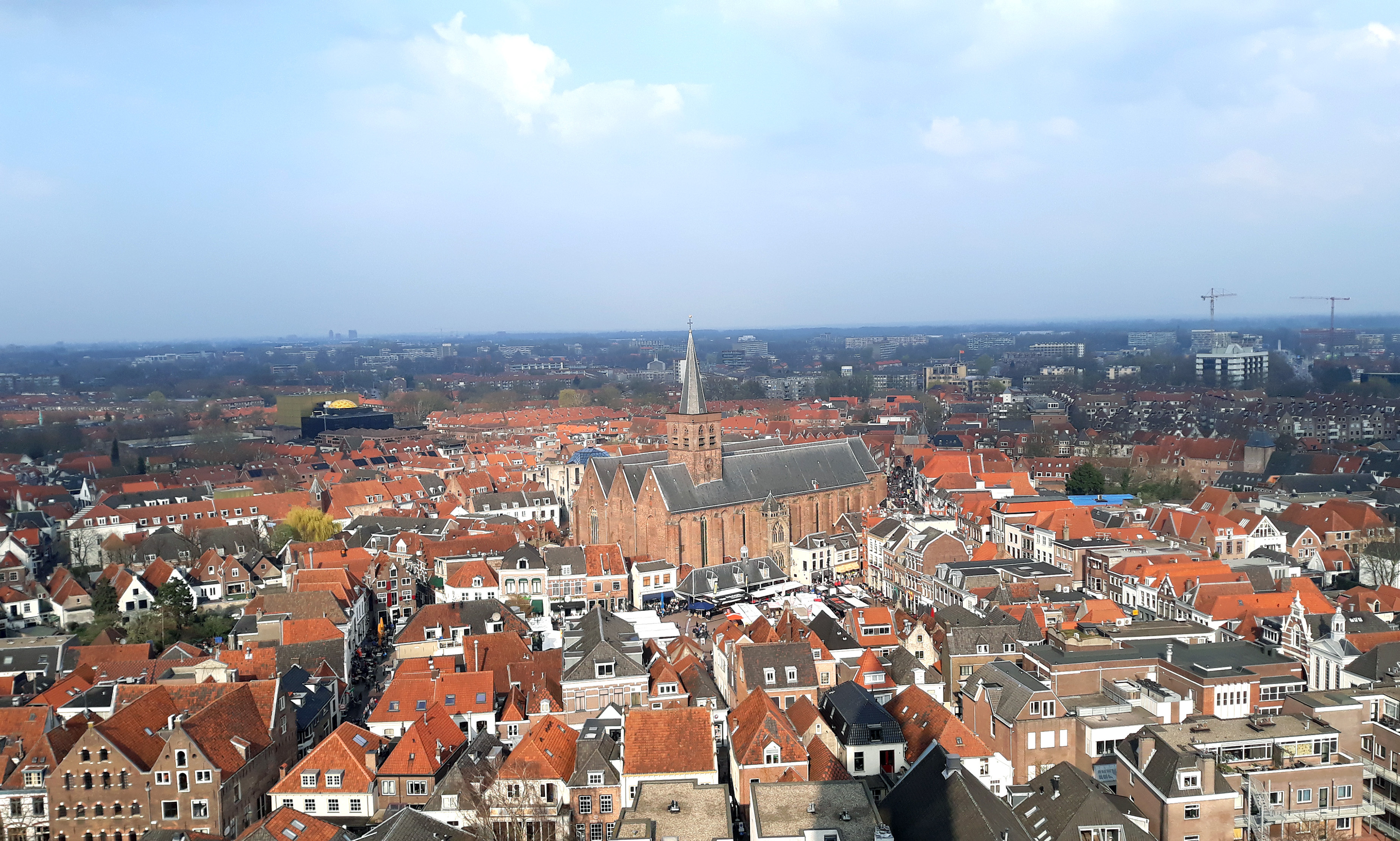
The latest controversy emerged in the Dutch city of Amersfoort, where a museum cancelled an exhibition celebrating three centuries of local Jewish history.
The exhibition, entitled 300 Years Amersfoort Shul, had been in preparation for several years and was intended to commemorate the approaching 300th anniversary of the city's historic synagogue.
The Amersfoort Synagogue, dating back to 1727, is considered the oldest functioning Ashkenazi synagogue in Western Europe. Its anniversary represents an important milestone not only for the local Jewish community but also for the preservation of Jewish cultural heritage across the continent.
However, the Amersfoort Museum announced that it would cancel the exhibition, citing tensions in the Middle East and concerns about possible reactions from visitors and the wider public.
Museum director Paul Baltus explained that the institution lacked the resources to manage the potential pressure associated with the exhibition.
Although additional security guards and surveillance cameras could be introduced, he argued that volunteers and employees would still be exposed to potentially difficult situations.
The decision provoked considerable criticism from representatives of the Jewish community, who viewed the cancellation as another example of Jewish cultural identity being unfairly associated with political developments in Israel.
Alexander van Dijkhuizen, chairman of the Jewish Community of Amersfoort, expressed concern about the growing tendency to cancel Jewish cultural activities because of tensions surrounding the Middle East.
His comments highlighted a broader problem: the increasingly blurred distinction between Jewish identity, Jewish cultural heritage and the policies of the Israeli government.
For European Jewish communities, such developments risk undermining their ability to preserve and publicly celebrate their own history.
Mayor intervenes to restore exhibition
The controversy prompted intervention by Amersfoort Mayor Lucas Bolsius, who publicly criticised the cancellation and called for the exhibition to proceed.
According to DutchNews, the mayor said he had not been informed about the museum's decision before it was announced.
Speaking to the city council, Bolsius expressed sadness that an exhibition dedicated to Jewish history had been cancelled, emphasising that Jewish heritage and contemporary Jewish life form an integral part of the city's identity.
The mayor subsequently met with representatives of the museum and the Jewish community to explore ways of organising the exhibition.
Following discussions on Thursday, November 5, the municipality announced that all parties had agreed to examine how the exhibition could be staged.
The agreement represents an important step towards reversing the cancellation, although the practical arrangements for the exhibition have yet to be finalised.
The intervention also demonstrates the important role that local authorities can play in protecting minority cultural activities when institutions face public pressure.
Nevertheless, the fact that an exhibition celebrating three centuries of Jewish history required political intervention has itself become a matter of concern.
Maastricht University incident raises further questions
The Amersfoort controversy followed another incident involving Jewish educational activities in the Netherlands.
Earlier in the same week, Maastricht University cancelled a lecture organised by a Jewish student association less than an hour before it was scheduled to begin.
University authorities reportedly explained that they could not guarantee the safety of participants.
Although the circumstances differed from those surrounding the Amersfoort exhibition, both incidents shared a significant characteristic: Jewish cultural or educational activities were cancelled because institutions believed they could not adequately manage potential security risks.
The Maastricht decision raises particularly sensitive questions about academic freedom, equal access to university facilities and the responsibility of educational institutions to protect minority students.
Universities are expected to provide environments in which students can explore religious, cultural and historical questions without fear of intimidation.
When Jewish student organisations are unable to hold lectures because of security concerns, the implications extend beyond a single cancelled event.
Such decisions may discourage Jewish students from organising future activities and contribute to a sense that their cultural identity cannot be expressed openly within academic institutions.
At the same time, universities and cultural organisations have legitimate responsibilities to protect participants and staff. The central challenge is ensuring that security assessments lead to effective protective measures rather than the routine cancellation of minority activities.
Europe's antisemitism strategy faces a test
The developments in the Netherlands highlight the gap that can emerge between European policy commitments and the everyday experiences of Jewish communities.
The EU Strategy on Combating Antisemitism and Fostering Jewish Life for 2021–2030 rests on three principal objectives: preventing and combating antisemitism, protecting and fostering Jewish life, and promoting education, research and Holocaust remembrance.
The strategy recognises that Jewish life should not merely survive in Europe but should be able to flourish as an integral part of European society.
This objective extends beyond physical security. It includes the preservation of synagogues, Jewish museums, cultural institutions, educational programmes and community organisations.
However, if security concerns increasingly become grounds for cancelling Jewish exhibitions, lectures and public events, the strategy risks encountering a serious practical contradiction.
Protecting Jewish communities cannot mean removing their cultural activities from public spaces whenever controversy is anticipated.
Instead, the effectiveness of European policy should also be measured by whether Jewish citizens can organise cultural events, attend educational programmes and celebrate their heritage under the same conditions as other communities.
The incidents in Amersfoort and Maastricht do not, by themselves, establish a Europe-wide pattern of cancellations. Nevertheless, they illustrate a potential danger that deserves attention from European institutions and national governments.
Jewish Cultural Identity Must Not Become a Political Casualty
One of the most sensitive aspects of the current situation is the relationship between Jewish identity in Europe and political developments in the Middle East.
Jewish communities across Europe are diverse, with different religious traditions, cultural backgrounds and political perspectives.
Their history and cultural heritage cannot be reduced to the actions or policies of any government.
Yet the cancellation of an exhibition commemorating 300 years of Jewish life because of tensions in the Middle East illustrates how international political conflicts can affect Jewish communities far removed from those events.
The consequences could be particularly serious for smaller Jewish communities, whose cultural institutions often depend on volunteers, limited financial resources and cooperation with municipal authorities.
If museums, universities and cultural centres increasingly conclude that Jewish events are too controversial or difficult to protect, the result could be a gradual reduction in the public visibility of Jewish life.
This would contradict the objectives of European cultural diversity policies and undermine efforts to preserve the continent's historical heritage.
The Netherlands, with its long and complex Jewish history, provides a particularly important setting for this debate.
The country's Jewish heritage is inseparable from its national history, including centuries of cultural achievement, the devastation of the Holocaust and the rebuilding of Jewish communities after the Second World War.
Preserving this heritage requires more than official declarations. It requires practical guarantees that Jewish cultural and educational activities can continue even during periods of heightened political tension.
A warning for the future of Jewish life in Europe
The Amersfoort and Maastricht incidents should encourage a wider European discussion about the responsibilities of public institutions towards Jewish communities.
Security concerns must be taken seriously, particularly where credible threats exist. However, the appropriate response should ordinarily involve proportionate protection, cooperation with law enforcement and constructive engagement with organisers.
Cancellation should remain an exceptional measure rather than becoming an automatic institutional response to anticipated controversy.
The intervention of Amersfoort's mayor demonstrates that political leadership can help resolve disputes and reaffirm the place of Jewish heritage within European society.
At the same time, the incidents raise questions about whether existing European and national policies provide sufficient practical support to smaller cultural organisations and universities facing security challenges.
As the EU approaches the midpoint of its 2021–2030 strategy, the experiences of Jewish communities in the Netherlands offer a timely reminder that combating antisemitism involves more than condemning hatred or protecting buildings.
It also means ensuring that Jewish cultural, religious and educational life remains visible, accessible and free from intimidation.
The ultimate test of Europe's commitment to Jewish communities will not simply be whether governments promise to protect them, but whether Jewish citizens can continue to celebrate their history, maintain their traditions and participate openly in European public life without their identity being treated as a security problem.
Source: DutchNews, “Cancelled Jewish exhibition back on table after mayor steps in”, November 6, 2026; European Commission, EU Strategy on Combating Antisemitism and Fostering Jewish Life (2021–2030). Photo by acediscovery, Wikimedia commons.