Strengthening NATO’s eastern flank has become one of the most pressing priorities for European security, particularly amid Russia’s continued military aggression against Ukraine and growing uncertainty over the future
of transatlantic relations. While the United States has traditionally played a central role in providing military capabilities and personnel along NATO’s eastern borders, European allies, led increasingly by Germany, are assuming greater responsibility for the region’s defence.
A significant demonstration of this changing security landscape will take place in Lithuania, where more than 6,000 NATO troops are participating in two German-led military exercises scheduled to run from November 6 to December 3. The exercises, named Freedom Shield 26-II and Grand Eagle 26, are intended to strengthen combat readiness, improve operational planning and enhance cooperation between allied forces.
According to the Lithuanian Armed Forces, the manoeuvres involve Germany’s 45th Armoured Brigade Lietuva and 37th Mechanised Infantry Brigade Freistaat Sachsen, both belonging to the German Army’s 10th Armoured Division. They will be joined by military personnel from Germany, the Netherlands, Norway, the Czech Republic, Croatia, Belgium and Luxembourg, as well as Lithuanian forces serving within NATO’s Multinational Combat Brigade.
The exercises will be conducted at the Rūdninkai and General Silvestras Žukauskas military training areas. Particular attention will be given to improving command structures, operational coordination and interoperability between Lithuanian and Polish forces and their NATO partners.
The scale of these manoeuvres reflects Germany’s increasingly important position in the defence architecture of the Baltic region. Berlin has committed to permanently stationing a military brigade in Lithuania, with approximately 5,000 German military and civilian personnel expected to be based in the country by the end of 2027. The deployment represents an important milestone in Germany’s transition towards assuming a more substantial leadership role in European security.
The changing distribution of military responsibilities is also connected to Washington’s evolving approach to NATO. In June 2026, the United States announced plans to adjust its contributions to NATO's Force Model, emphasising that European allies should assume primary responsibility for their conventional defence. This policy reflects the Trump administration's broader demand for greater European burden-sharing within the alliance.
The November military exercises therefore carry significance beyond routine training. They demonstrate how European NATO members are developing the capabilities required to maintain a credible defensive presence even as the level of American military involvement becomes a subject of political debate.
Recent developments surrounding the US midterm elections have added another dimension to this uncertainty. Democrats secured control of both chambers of Congress in the November 3 elections, creating a new political environment for President Donald Trump during the remaining two years of his administration. Although the election results are expected to constrain parts of the White House's domestic legislative agenda, they do not automatically signal a change in American foreign or defence policy.
Indeed, Reuters has highlighted the mixed signals coming from Washington regarding its long-term commitment to European security. US Ambassador to NATO Matthew Whitaker has reaffirmed that American foreign policy remains unchanged and that Washington continues to support the alliance's collective-defence commitments under Article 5. Nevertheless, European officials remain concerned about the future scale and consistency of American military engagement.
The withdrawal of some US combat units from the most exposed Baltic states earlier this year, followed by announcements concerning the temporary deployment of American armoured units in Lithuania and the return of US tanks to eastern Estonia, has illustrated the uncertainty surrounding Washington's military posture.
Against this background, the Trump administration's insistence on European self-reliance is encouraging NATO members to strengthen their own military infrastructure and establish a more permanent defensive presence along the alliance's eastern borders. The German-led exercises in Lithuania are one practical expression of this process.
The implications extend beyond the Baltic states. Poland, Lithuania, Latvia and Estonia remain particularly important to NATO's eastern defence strategy, while Germany's growing military presence provides an additional element of deterrence and operational coordination across the region.
For European governments, the challenge is increasingly twofold: maintaining the credibility of NATO's collective-defence commitments while reducing excessive dependence on American military capabilities. The developments in Lithuania suggest that this transformation is already underway, with Germany emerging as one of its principal driving forces.
As geopolitical tensions continue and Washington's political priorities remain uncertain, the strengthening of NATO's eastern flank is likely to remain a central element of European defence policy for the foreseeable future.
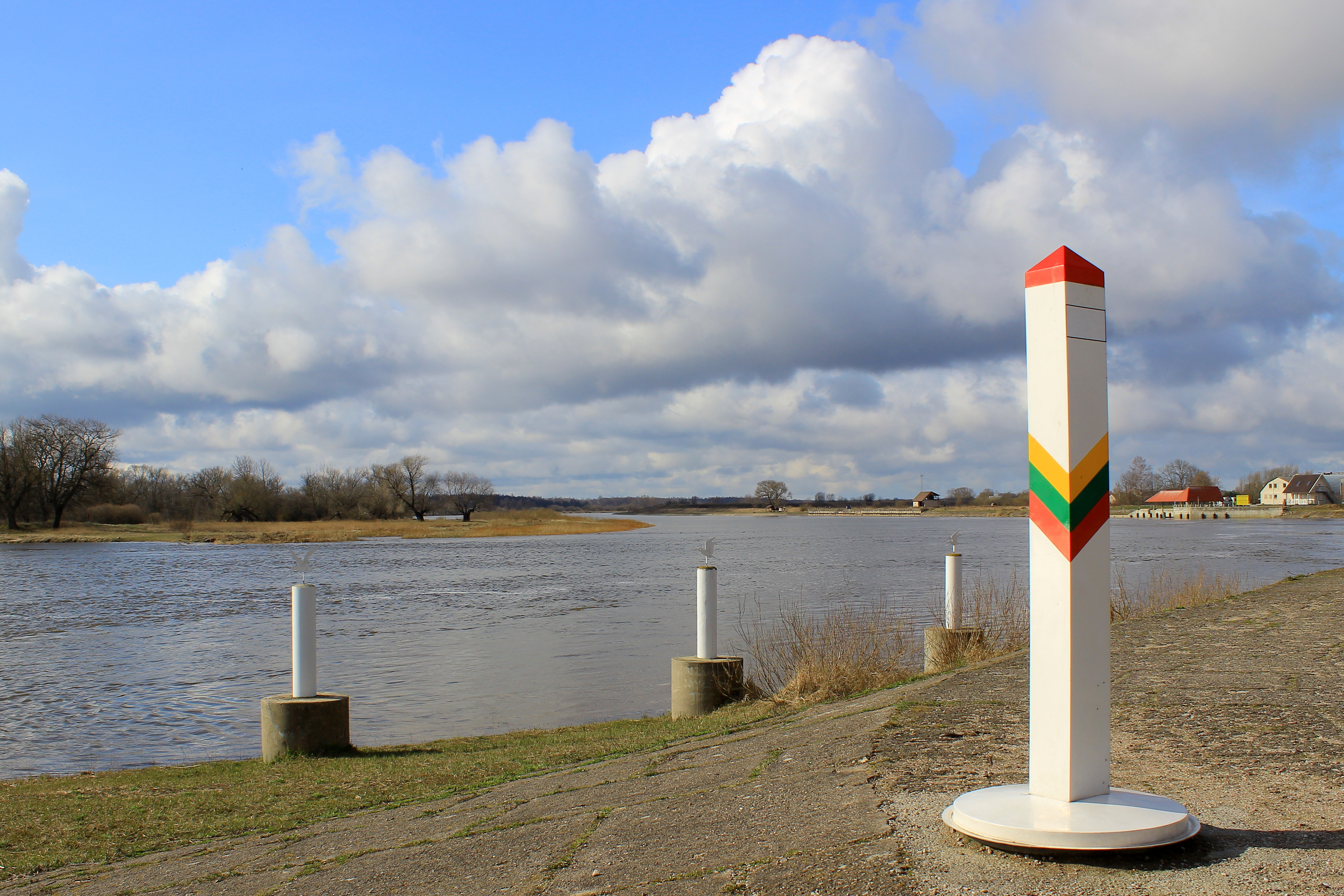
Editorial note: I have kept the US election angle factually balanced. The November 2026 midterms resulted in a Democratic victory in both chambers of Congress, rather than a new electoral mandate for a harder White House line. The article therefore connects the uncertainty to Trump's existing defence policy and the administration's demand for European military self-reliance, rather than presenting the election result as its cause. Photo by Laima Gūtmane (simka…, Wikimedia commons.