The high cost of legal proceedings and the growing workload facing the judicial system have become important issues in Flanders, where disputes over construction and environmental permits can significantly delay
investment projects. The regional government is now preparing changes to the rules governing legal challenges, including a substantial increase in court fees from 2027. The measures are intended to address delays associated with permit disputes and make the legal process more manageable.
Under the proposed changes, the fee for initiating proceedings before the Council for Permit Disputes (Raad voor Vergunningsbetwistingen) will rise to €250 per person. This represents an increase from the current €200 charged for applications seeking the annulment of a permit. The fee for requesting the suspension of a permit will increase even more sharply, from €100 to €250.
The cost of joining an ongoing legal case will also rise, from €50 to €150 per person. Furthermore, the new fees will be subject to indexation.
The changes are expected to take effect in 2027 and will affect residents, organisations and other interested parties seeking to challenge decisions concerning construction projects, environmental permits and changes to local infrastructure.
The issue is particularly relevant to neighbourhoods affected by large development projects. For example, residents who oppose the removal of trees to facilitate road construction or the development of a large apartment complex may decide to challenge the relevant permit in court. Under the new arrangements, each person participating in the proceedings will have to pay the applicable fee individually. This could make collective legal action considerably more expensive.
The Flemish government's initiative comes against the background of wider concerns about the efficiency of administrative justice and the economic consequences of lengthy legal proceedings. Permit disputes can create uncertainty for investors, developers and public authorities, potentially delaying infrastructure improvements, housing construction and other investment projects.
The scale of the administrative workload is illustrated by figures published by the Flemish authorities. In 2025, 77,798 applications for environmental and planning permits were submitted in Flanders, demonstrating the considerable volume of decisions handled by the regional administration. Official statistics also show that appeals against permit decisions have become an important part of the regulatory process.
The Council for Permit Disputes has itself experienced substantial activity. According to figures reported in July 2026, the number of appeals filed by the Flemish Department of Environment with the Council increased from 19 in 2021 to 70 in 2025. This highlights the growing complexity of disputes involving public authorities and permit decisions.
However, the proposed increase in fees has already attracted criticism. The opposition party PVDA argues that higher charges could restrict citizens' ability to defend their interests through the courts. Flemish MP Debby Burssens maintains that access to judicial proceedings is a fundamental right and warns that the new financial requirements could disproportionately affect people with limited resources.
The opposition also points out that charging each participant individually could discourage residents from joining forces when challenging projects that affect their communities.
The debate therefore reflects a broader challenge facing Flemish policymakers: balancing the need for an efficient judicial system with the right of citizens and organisations to seek independent legal protection. While reducing unnecessary delays in investment projects is an important economic objective, the financial accessibility of judicial proceedings remains a significant consideration.
The planned reforms demonstrate the Flemish government's intention to change the way permit disputes are handled and to reduce the impact of lengthy legal challenges on regional development. The central question will be whether higher procedural fees and stricter rules can improve the efficiency of the system without creating additional barriers to public participation and access to justice.
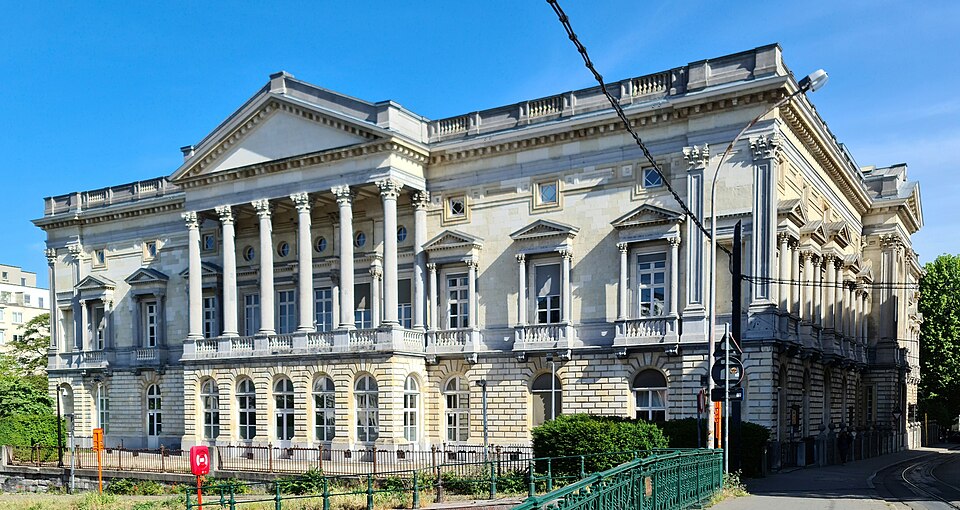
Photo by Ricardalovesmonuments, Wikimedia commons.