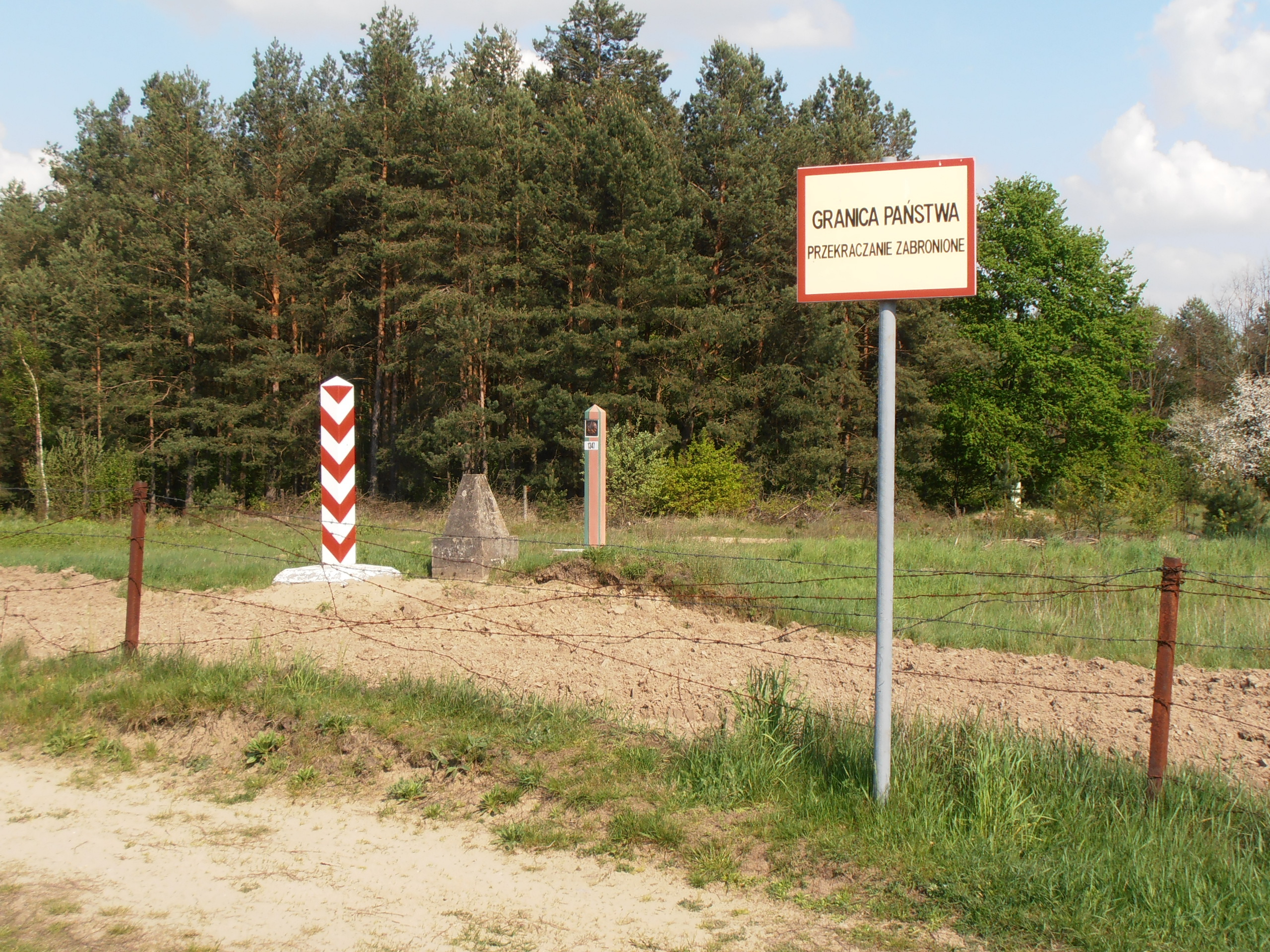
Migration has become one of the most significant political and social challenges facing the European Union. The movement of people across European borders, the protection of asylum seekers and the management of
irregular migration remain high on the agenda of both the European Parliament and the European Commission. Against this background, the implementation of the EU Pact on Migration and Asylum represents a major step towards establishing a common European approach to migration management.
On 6 November 2026, the European Commission launched the second Annual Migration Management Cycle, marking a new stage in the implementation of the Pact. The initiative is designed to provide a comprehensive assessment of migration trends and risks across the EU, identify Member States experiencing migratory pressure and establish the framework for a new solidarity mechanism to support countries facing the greatest challenges.
The new cycle builds on the first year of implementation of the Pact and seeks to strengthen cooperation and the fair distribution of responsibilities among EU Member States. At its centre is the proposed establishment of the second European Solidarity Pool, which will provide assistance to countries facing disproportionate migration pressures.
According to the European Commission's assessment, Greece, Spain and Cyprus are currently experiencing migratory pressure due to the disproportionately high number of arrivals over the past year. Italy has also been identified as facing similar pressure, partly because of the number of migrants arriving following search and rescue operations at sea. These countries will therefore be eligible to receive assistance through the Solidarity Pool.
At the same time, the Commission has identified 15 other Member States at risk of migratory pressure, including Belgium, Germany, France, the Netherlands and Poland. Their situations will be closely monitored, and they will have priority access to the EU's Permanent Migration Support Toolbox.
The Commission has also recognised that several countries, including Poland, Bulgaria, Czechia, Estonia, Croatia and Austria, face significant migration-related challenges resulting from cumulative pressures over the past five years. These include responsibilities associated with protecting the EU's external borders, accommodating beneficiaries of temporary protection and managing asylum applications and returns.
Under the proposed Solidarity Pool for 2027, Member States will be able to choose how they contribute to supporting countries under pressure. Options include relocating asylum applicants, providing financial assistance, accepting responsibility for certain asylum cases or offering alternative forms of support. Once the Council adopts its decision on the mechanism, national contributions will become public and legally binding.
The Commission's latest assessment also points to improvements in the overall migration situation. According to the European Asylum and Migration Report, irregular border crossings at the EU's external borders fell by more than one third in the first half of 2026, following a decline of more than 50 per cent over the preceding two years. The number of secondary movements and asylum applications has also decreased, while returns have increased.
These developments are linked to the implementation of the new European migration framework, stronger cooperation between Member States and closer engagement with countries outside the EU along major migration routes.
The Pact on Migration and Asylum, adopted in May 2024, represents a comprehensive reform of the European migration system. It consists of ten interconnected legislative acts covering border screening, asylum procedures, reception conditions, returns, biometric registration and the distribution of responsibilities between Member States. Following a two-year transition period, its provisions began to apply fully on 12 June 2026.
The new framework is intended to combine more effective protection of the EU's external borders with common asylum procedures and safeguards for people seeking international protection. It also introduces a permanent solidarity mechanism, replacing the previous voluntary arrangements and ensuring that countries experiencing disproportionate pressure are not left to manage the situation alone.
Nevertheless, the Commission acknowledges that important challenges remain. Further efforts are needed to ensure that all elements of the Pact operate effectively, particularly the rules governing responsibility for asylum applications, the transfer of applicants between Member States and the practical implementation of solidarity commitments.
The launch of the second Annual Migration Management Cycle therefore represents more than a technical administrative exercise. It is an important test of the EU's ability to translate common political commitments into practical action. As migration continues to shape Europe's political and social landscape, the success of the Pact will depend on whether Member States can maintain a balance between border security, effective migration management, solidarity and respect for fundamental rights. Photo by Grzegorz W. Tężycki, Wikimedia commons.