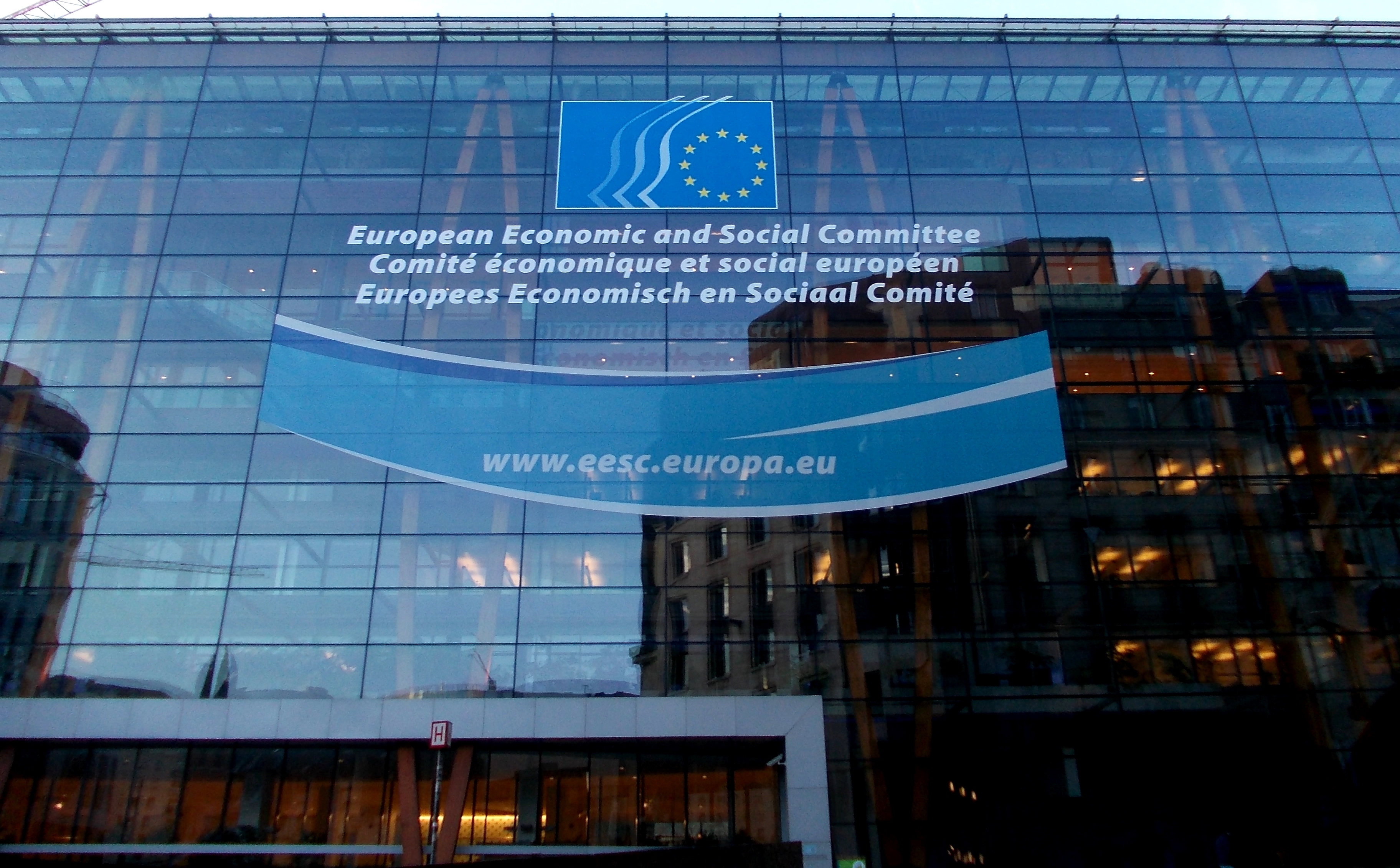
Social assistance is one of the fundamental pillars of European social and economic policy. Ensuring that public resources are distributed fairly, that taxation contributes to the common good and that people facing financial
hardship receive adequate support are essential elements of a stable and progressive society. Across the European Union, social protection is not simply a mechanism for helping vulnerable groups; it is also an important investment in social cohesion, economic resilience and long-term prosperity.
The effectiveness of social assistance depends on the ability of governments to balance economic development with the needs of their populations. Well-designed welfare systems help reduce poverty and inequality, protect people against unexpected financial difficulties and ensure that access to essential services does not depend entirely on individual income. They also contribute to a more inclusive labour market by providing people with the security needed to seek employment, acquire new skills and participate fully in society.
The scale of these efforts is reflected in the latest figures published by Eurostat. According to preliminary estimates, total expenditure on social protection benefits across the EU reached €5.183 trillion in 2025, representing a 4.9% increase compared with 2024. This expenditure accounted for 27.5% of the EU's gross domestic product, underlining the substantial role that social protection plays in European economies.
The figures also demonstrate considerable differences between Member States. Austria allocated the equivalent of 32.4% of its GDP to social protection benefits, followed by Finland at 32.2% and France at 32.1%. At the other end of the scale were Ireland, Malta and Hungary, where the corresponding proportions were significantly lower. These differences reflect national economic structures, welfare traditions, demographic circumstances and approaches to public spending.
Importantly, expenditure on social protection increased in every EU Member State in 2025. The largest annual increases were recorded in Croatia, at 15.4%, Bulgaria, at 12.1%, and Lithuania, at 11.6%. Finland, despite having one of the highest levels of social protection spending relative to GDP, recorded a more modest increase of 1.3%.
The largest areas of social protection expenditure remain pensions and healthcare. In 2025, old-age benefits accounted for €2.152 trillion, or 41.5% of total spending, while sickness and healthcare benefits represented €1.556 trillion, equivalent to 30%. Other important areas include disability support, assistance to families and children, unemployment benefits, housing assistance and measures to combat social exclusion.
Nevertheless, higher expenditure does not automatically mean that all vulnerable groups receive sufficient assistance. The European Commission has repeatedly highlighted the need to improve the effectiveness, accessibility and targeting of national welfare systems. Its work on minimum-income schemes, for example, addresses significant gaps in social protection: on average, approximately 35% of working-age people at risk of poverty in the EU are not covered by minimum-income support or other social benefits.
Employment, social affairs and inclusion
The situation in Finland illustrates the complexity of this challenge. Although the country remains among the EU leaders in social protection expenditure, it has introduced reforms to its social security system aimed at improving efficiency, encouraging employment and strengthening public finances. At the same time, the European Commission has warned that changes to benefits may increase poverty risks among particularly vulnerable groups, including low-income families with children.
Ultimately, the European approach to social assistance must reconcile two equally important objectives: maintaining financially sustainable public welfare systems and ensuring that nobody is left without the resources necessary for a dignified life. Fair taxation, responsible public spending and effective redistribution remain essential instruments in achieving this balance.
For the European Union, social protection is therefore much more than a budgetary commitment. It is an investment in human potential, public confidence and the stability of democratic institutions. A society that protects its most vulnerable members is better equipped to overcome economic difficulties, respond to demographic changes and build a prosperous future for all its citizens.
The latest figures show that social protection expenditure increased across all EU countries, but this does not necessarily mean that every government increased individual benefit payments. Finland, in particular, has also implemented welfare reforms involving reductions in certain benefits.
Among EU Member States, significant differences remain in the proportion of national economic output allocated to social protection. According to Eurostat, Austria recorded the highest expenditure on social protection benefits in 2025, at 32.4% of GDP, followed by Finland at 32.2% and France at 32.1%. By contrast, the lowest levels were recorded in Ireland, where expenditure amounted to 11.7% of GDP, Malta at 13.8% and Hungary at 16.7%.
These differences illustrate the variety of approaches adopted by European governments in organising and financing their welfare systems. Austria, Finland and France demonstrate the substantial role that social protection plays in their national economic models, while the figures for Ireland, Malta and Hungary highlight the considerable differences that remain across the Union.
Nevertheless, the objective of European social policy should not be measured exclusively by the amount of public money allocated to welfare. Equally important are the accessibility, effectiveness and fairness of support, particularly for low-income households, older people, families with children and individuals facing unemployment or social exclusion. Ensuring that economic growth benefits society as a whole remains one of the central challenges for the European Union. Photo by Andrijko Z., Wikimedia commons.