Poland is facing an increasingly complicated security situation, with disinformation campaigns, sabotage attempts and the spread of fake news becoming major challenges during the autumn months. The country, which
has traditionally been regarded as one of the safer places in Europe, is now confronting a combination of external threats, domestic extremism and growing concerns about public security. The deadly shooting in Krakow on November 7 has added another dimension to this increasingly tense situation.
The autumn has been particularly challenging for Poland. Alongside concerns about hostile information campaigns and attempts to undermine public confidence in state institutions, authorities have had to address the risks associated with sabotage, cyberattacks and the circulation of extremist content online. These developments have taken place against the backdrop of Russia's continuing confrontation with European countries, heightened tensions in the region and growing concerns about the vulnerability of critical infrastructure.
The Krakow tragedy has become another major test for Polish society. On Saturday, November 7, a 24-year-old Polish citizen opened fire in the city's historic Main Market Square, killing six people and injuring 17 others, including two police officers. The attack, which took place in one of Poland's most recognisable tourist destinations, shocked the country and raised serious questions about the nature of the threat facing European cities.
According to information released by Polish authorities, the suspect was armed with an AR-15 rifle and wore military-style clothing. He reportedly fired randomly at people from a vehicle before being confronted by police officers. The police responded within approximately three minutes of receiving the first emergency report, preventing what Interior Minister Marcin Kierwinski described as a potentially much larger massacre.
The investigation has revealed further disturbing details. Three additional bodies — two women and one man — were discovered at the suspect's home in Ostrowiec Świętokrzyski, almost 200 kilometres from Krakow. Prime Minister Donald Tusk said there were strong indications that the victims belonged to the gunman's immediate family. Authorities also warned that the property could contain a significant quantity of weapons and ammunition, prompting a security operation involving counterterrorism officers.
The authorities have also begun investigating the ideological background of the attacker. Interior Minister Marcin Kierwinski said that initial evidence pointed towards an influence of far-right ideology, describing the suspect as someone fascinated by radical nationalist views. Polish officials have indicated that there is currently no evidence of additional perpetrators and that the attacker appears to have acted alone.
This is an important distinction, particularly given the numerous theories circulating in the aftermath of the tragedy. Although the possibility of foreign involvement, including connections to Islamic extremist organisations, Iran or Russia, may attract public attention, no evidence has been presented linking the Krakow shooting to any of these actors. Nor have investigators established a connection with international terrorist networks. The possibility of external involvement should therefore not be confused with the preliminary findings of the investigation, which currently point towards domestic far-right radicalisation.
Nevertheless, the tragedy comes at a particularly sensitive moment for European security. Every year, Christmas markets and other public gatherings across Europe face heightened security concerns because of the threat of extremist violence. The possibility of attacks inspired by jihadist propaganda remains a concern for European intelligence services. Meanwhile, Russia's increasingly confrontational policy towards European countries, including military threats and warnings involving missile capabilities, has contributed to a wider atmosphere of insecurity.
Poland has particular reasons to be concerned about these developments. Its geographical position, its support for Ukraine and its role as a major logistical centre for European assistance to Kyiv make it an important target for hostile intelligence activities and hybrid operations.
Recent developments have demonstrated that these concerns are not merely theoretical. In September, a fire at a Starlink ground station in Wola Krobowska, near Grójec, raised suspicions of deliberate sabotage. Polish authorities subsequently reported that two Turkish nationals had been detained in Germany in connection with the incident and said they believed Russia was behind it. The station was an important telecommunications facility carrying internet traffic, including services supporting Ukraine.
Even more concerning, on November 5, Poland's Internal Security Agency (ABW) announced the detention of six people suspected of participating in an organised group working for Russian intelligence. Five Polish citizens and one Russian national were among those detained. Four suspects, including the Russian citizen, were charged with espionage and placed in pre-trial detention. Investigators conducted searches at 21 locations across three Polish regions. According to the government, the group was involved in activities serving Russian intelligence interests and supporting Russia's military capabilities.
The government has also maintained elevated security measures. Since September 1, the second-level BRAVO and BRAVO-CRP alert levels have been in force throughout Poland, while the higher CHARLIE level applies to selected railway infrastructure. These measures, extended until November 30, reflect continuing concerns about threats to public security, critical infrastructure and cyberspace.
Portal Gov.pl+1
Against this background, the Krakow shooting has exposed another dimension of Poland's security challenges: the threat posed by radicalisation within society itself. The country has already experienced a series of school stabbings and other violent incidents in October, which authorities linked to the influence of violent and extremist material circulating online. The Krakow massacre has therefore intensified the debate about the role of social media platforms, online radicalisation and the ability of security agencies to identify individuals who may become violent.
The scale of the tragedy is particularly shocking because mass shootings of this kind remain extremely rare in Poland. The historic Main Market Square in Krakow, normally filled with tourists, restaurants and traditional horse-drawn carriages, became the scene of an unprecedented act of violence. Among those killed was a British citizen, while nationals of Austria, Germany, Portugal, Russia and Britain were among the injured.
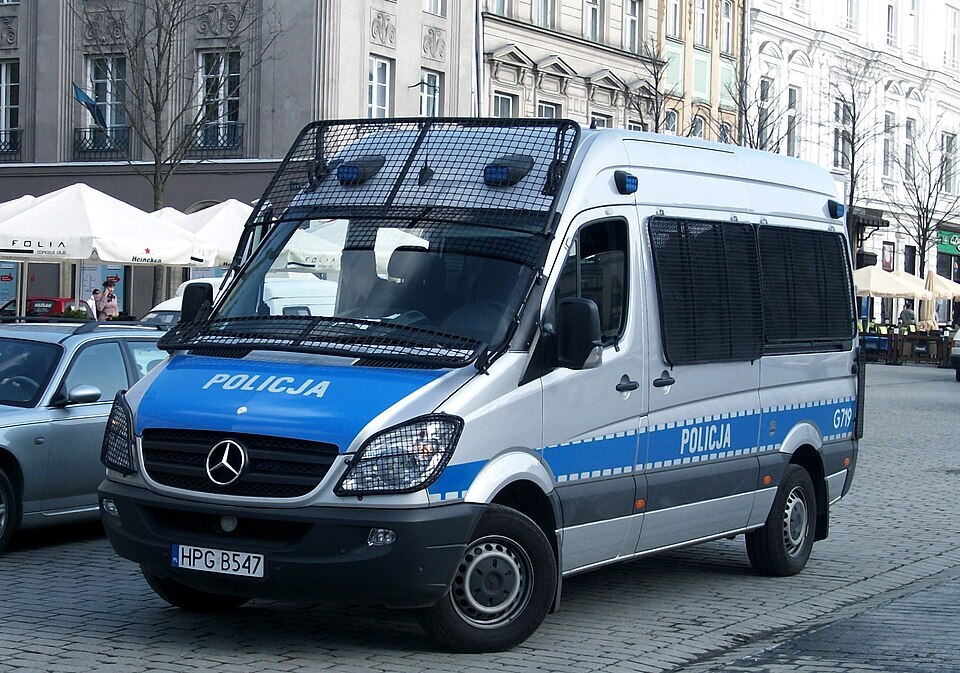
The rapid intervention of the police prevented an even greater loss of life. Officers exchanged fire with the attacker approximately three minutes after receiving the first emergency report. Prime Minister Donald Tusk praised their actions, as well as the courage of emergency workers and members of the public who helped the victims. President Karol Nawrocki announced national mourning on November 8 and 9, while Krakow also declared its own period of mourning. Condolences were expressed by European leaders, including Ukrainian President Volodymyr Zelenskyy and EU foreign policy chief Kaja Kallas.
Ultimately, the Krakow tragedy should not be interpreted as proof of a foreign terrorist operation without supporting evidence. However, it demonstrates how vulnerable European societies can become when different security threats converge: foreign interference, sabotage, disinformation, extremist propaganda and domestic radicalisation.
For Poland, the challenge is now twofold. The authorities must establish the full circumstances and motives behind the Krakow massacre while continuing to protect the country against external interference and hybrid attacks. At the same time, Polish society must resist attempts to exploit the tragedy for political purposes or spread unverified accusations about the identity and motives of the perpetrator.
The events of this autumn demonstrate that European security can no longer be understood exclusively in terms of military defence or protection against foreign aggression. The resilience of democratic institutions, the prevention of online radicalisation and the ability to distinguish verified information from deliberate disinformation have become equally important elements of national security. Photo by Kevin.B, Wikimedia commons.