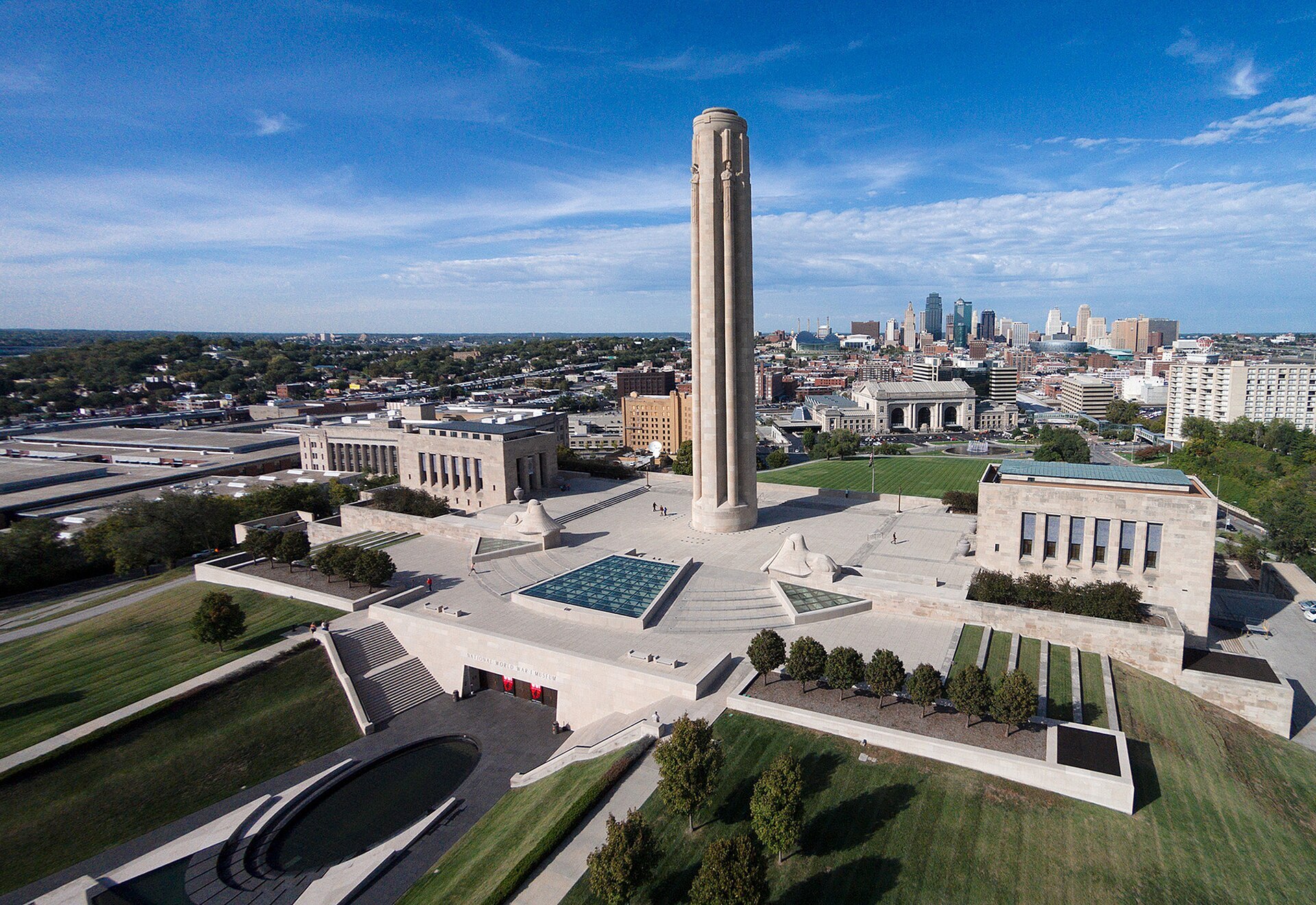
November 11 marks the anniversary of the end of the First World War, one of the most consequential events in European history. The armistice signed in 1918 brought an end to more than four years of devastating conflict
that had transformed the political map of Europe, destroyed empires and claimed millions of lives. Almost 108 years later, the anniversary carries particular significance as war has once again returned to European soil. Russia's full-scale invasion of Ukraine has brought destruction, mass casualties and constant military threats to the continent, reminding Europeans that peace cannot be taken for granted.
The historical experience of 1918 demonstrates how difficult it can be to end a major war and how fragile peace can become when political instability, territorial ambitions and competing national interests undermine international security. The anniversary of the Armistice of Compiègne is therefore not merely an occasion to remember the past. It is also an opportunity to reflect on the importance of defending peace, sovereignty and the principles of international law in contemporary Europe.
The Armistice of Compiègne: How the First World War ended
The First Armistice of Compiègne, also known as the Armistice of Rethondes, was signed on November 11, 1918, between Germany and the Allied powers of the Entente. The agreement was concluded in a railway carriage in the Forest of Compiègne, near the French town of Compiègne in Picardy. It brought an end to hostilities on the Western Front, with the ceasefire taking effect at 11 a.m. on November 11 — the eleventh hour of the eleventh day of the eleventh month.
The First World War, which had begun in July 1914, had devastated much of Europe. Millions of soldiers and civilians had died, entire regions had been destroyed, and the economies of the participating countries had been severely weakened. The conflict involved the major European powers and eventually extended far beyond the continent, drawing in countries from around the world.
By the autumn of 1918, Germany's military position had become increasingly desperate. Allied offensives, the exhaustion of German forces, shortages of food and growing political unrest at home made the continuation of the war increasingly impossible. At the same time, the German Empire was experiencing revolutionary upheaval.
The negotiations leading to the armistice were conducted under intense pressure and offered the German delegation little room for manoeuvre. The German representatives, led by politician Matthias Erzberger, attempted to secure modifications to the Allied conditions. They managed to obtain several limited concessions, including adjustments to the timetable for withdrawing German troops and corrections to certain military requirements. However, they were unable to reject the principal demands or significantly change the terms imposed by the Allies.
The political situation deteriorated rapidly. On November 9, 1918, Kaiser Wilhelm II's abdication was announced amid the German Revolution. Two days later, the armistice was signed. The Kaiser subsequently travelled to the Netherlands, where he formally renounced his imperial and Prussian crowns on November 28.
The speed of these developments reflected the desperation of both sides. News of the negotiations had already reached the Allied press, generating widespread expectations that the fighting would soon end. Demonstrations celebrating the prospect of peace took place in American cities, including New York and Washington, even before the agreement had been signed.
The terms of the Armistice and the road to peace
The agreement contained 34 clauses and imposed extensive military and political obligations on Germany. Among its principal provisions were:
The immediate cessation of military operations on land, at sea and in the air.
The withdrawal of German troops from occupied territories, including France, Belgium and Luxembourg.
The evacuation of German forces from territories west of the Rhine.
The surrender of large quantities of military equipment, including artillery, machine guns, aircraft, locomotives and railway carriages.
The surrender of German submarines and the internment of a significant part of the German fleet.
The release of Allied prisoners of war and interned civilians.
The continuation of the Allied naval blockade until a comprehensive peace settlement was reached.
Importantly, the armistice was not a formal peace treaty or an unconditional surrender. It was an agreement to stop the fighting while the political and territorial consequences of the war were negotiated.
The ceasefire was subsequently extended three times as the victorious powers worked on the conditions for a permanent settlement. The final political outcome was determined by the Paris Peace Conference of 1919–1920. Its most significant agreement was the Treaty of Versailles, signed on June 28, 1919, exactly five years after the assassination of Archduke Franz Ferdinand, the event that had triggered the crisis leading to the war.
The treaty formally established Germany's responsibility for the war, imposed military restrictions, required reparations and resulted in significant territorial losses. It also contributed to the emergence of a new political order in Europe, although many of its provisions generated resentment and political instability that would influence the continent's subsequent history.
Another important historical detail is that the fighting continued until the very last minutes before the ceasefire. Thousands of soldiers lost their lives on November 11, 1918, with approximately 2,738 military deaths recorded on the final day of the war. The armistice therefore serves as a reminder that even when an agreement to end hostilities is close, the human cost of war does not disappear until the guns actually fall silent.
The lessons of 1918 for Europe today
The end of the First World War did not guarantee lasting peace in Europe. The collapse of the German, Austro-Hungarian, Ottoman and Russian empires created a radically different political landscape. New states emerged, borders were redrawn and national movements gained strength. However, unresolved territorial disputes, economic difficulties, political radicalisation and dissatisfaction with the post-war settlement contributed to the instability of the interwar period.
Just two decades later, Europe was plunged into another devastating conflict: the Second World War. This historical experience demonstrates that ending military operations and establishing a sustainable peace are two different challenges. A ceasefire may stop the immediate bloodshed, but a lasting settlement requires political guarantees, respect for sovereignty, security arrangements and an international order capable of preventing renewed aggression.
These lessons are particularly relevant today, as Ukraine continues to defend itself against Russia's full-scale invasion. Since February 2022, the war has brought enormous human suffering, destroyed cities and infrastructure, displaced millions of people and undermined security across Europe. The conflict has also demonstrated that the principles of territorial integrity and national sovereignty remain fundamental to the continent's stability.
For European countries, November 11 should therefore be more than a historical commemoration. It should be an occasion to reaffirm their commitment to preventing wars, protecting democratic values and ensuring that military aggression cannot become an accepted instrument of international politics.
The experience of 1918 also reminds us that peace must be more than the absence of gunfire. It must be based on justice, security and respect for the rights of nations and peoples. The millions who died in the First World War could hardly have imagined that Europe would once again face a major war within a generation. Their sacrifice should encourage today's political leaders to work towards a peace that does not simply postpone another conflict, but creates the conditions for lasting stability.
As Europe marks the anniversary of the Armistice of Compiègne, the message of November 11, 1918, remains profoundly relevant: ending a war is an essential achievement, but ensuring that it does not happen again is an even greater responsibility. Photo by National WWI Museum, Wikimedia commons.