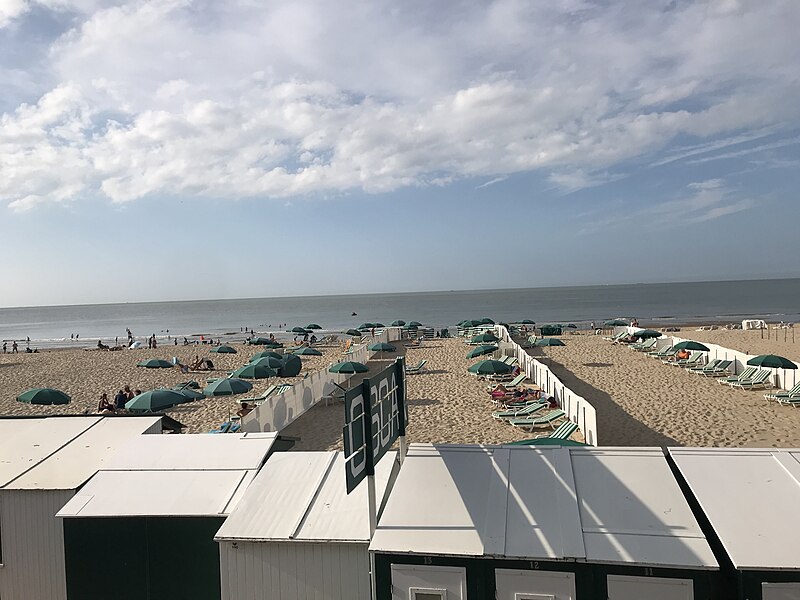
The changing level of the North Sea has traditionally been one of the most important indicators of environmental and climatic developments along Belgium’s coastline. For decades, Belgian scientists have monitored
fluctuations in sea levels and water temperatures to assess the condition of the marine environment. However, the latest measurements suggest that the situation is becoming increasingly concerning, raising questions about the future of marine biodiversity, coastal protection and the sustainability of economic activities in the region.
According to a report published by the Centre for Climate Change Risk Analysis (Cerac) and the Institute of Natural Sciences, the average sea level measured in Ostend increased by approximately 23.6 centimetres between 1951 and 2024. This represents an average annual rise of around 3.2 millimetres. More worrying, however, is the acceleration of this process: since 2015, the rate of increase has exceeded 5 millimetres per year.
The findings highlight the growing impact of global warming on Belgium’s coastal environment. Sea temperatures have also increased over recent decades, with the summer of 2026 recording the largest marine heatwave ever observed in Belgian waters. Scientists warn that these developments are likely to intensify as global temperatures continue to rise.
One of the most significant consequences concerns marine biodiversity. Changes in water temperature and other environmental conditions are already affecting the distribution of fish species in the North Sea. Some species are moving towards cooler waters, while fish adapted to warmer conditions are increasingly appearing in Belgian maritime areas. Such changes could gradually transform the region's marine ecosystem, disrupting established food chains and affecting species that depend on particular environmental conditions.
The report identifies seven priority climate-related risks for the Belgian part of the North Sea. These include the geographical displacement of marine species, deterioration of ecosystems, harmful algal blooms and increasing threats to maritime and coastal infrastructure. These developments demonstrate that climate change is not simply an environmental issue but also a challenge for Belgium's economy, food security and maritime industries.
The risks are particularly significant given the concentration of economic activities in Belgium's 3,456-square-kilometre North Sea area. Commercial shipping, fishing, offshore wind energy production and sand extraction all place pressure on an already vulnerable marine environment. Rising sea levels, higher water temperatures and increasingly extreme weather events could further complicate the management of these activities.
Belgium's maritime infrastructure is also becoming more exposed. Ports, offshore wind farms, underwater electricity and telecommunications cables, as well as coastal protection structures, could suffer from the combined effects of rising sea levels and extreme weather. According to the researchers, the risk of damage to this infrastructure is already classified as critical under a global warming scenario of 2°C.
These findings underline the need for a more comprehensive government response. Belgium must strengthen its climate adaptation policies, integrate environmental risk assessments into maritime planning and improve monitoring of vulnerable marine species. Particular attention should be given to protecting fish populations, preserving biodiversity and preventing the degradation of habitats that are essential for the functioning of the North Sea ecosystem.
The researchers also recommend improving emergency preparedness and taking greater account of climate change in existing maritime policies. This is particularly important because the costs of adapting infrastructure and protecting coastal communities are expected to increase with every additional degree of global warming.
The latest measurements from Ostend therefore represent more than a statistical record of rising water levels. They provide an important warning about the changing ecological balance of Belgium's coastal regions. Without timely and coordinated action, the consequences could extend far beyond the natural environment, affecting fisheries, maritime transport, energy infrastructure and the economic security of coastal communities.
For the Belgian government, the challenge is to move from long-term scientific observation towards more decisive environmental protection measures. Preserving the North Sea's biodiversity and ensuring the resilience of coastal infrastructure will require sustained investment, effective regulation and close cooperation between scientists, policymakers and maritime industries.