Belgium’s ambitious Princess Elisabeth Island project, one of the most significant energy infrastructure developments in the country in recent years, has received a major boost after the European Commission approved
€2.04 billion in state aid for the development of offshore wind farms in the North Sea. The decision, announced on 10 November, is expected to help revive the project after its implementation faced financial and regulatory obstacles in 2025.
The development is particularly important for Belgium’s long-term energy strategy, as the country seeks to strengthen its energy independence, reduce reliance on imported electricity and accelerate the transition to renewable energy. Projects such as Princess Elisabeth Island are becoming increasingly important for European countries amid geopolitical instability and growing concerns about energy security.
Princess Elisabeth Island is an artificial energy island currently under construction approximately 45 kilometres off the Belgian coast near Ostend. Covering an area of around six hectares, it is named after Princess Elisabeth, Duchess of Brabant, and is designed to become a major offshore electricity hub connecting wind farms in the North Sea to Belgium’s electricity grid and potentially facilitating connections with neighbouring countries.
Construction began in 2024, with completion expected by 2028. The overall investment is estimated at approximately €3.6 billion. The project has attracted considerable attention because of its scale and technological ambitions. Around 300 employees have been involved in work associated with the island and its supporting infrastructure, highlighting its importance for Belgium’s industrial and energy sectors.
However, the project encountered significant difficulties in 2025. Rising infrastructure costs, legal uncertainties and concerns about the financial burden on electricity consumers prompted the Belgian government to suspend the offshore wind tender. The original European Commission approval, granted in 2024, covered €682 million in state aid under a temporary crisis framework linked to the war in Ukraine. However, the funding could not be awarded before the scheme's deadline of 31 December 2025.
The latest European Commission decision represents an important step towards overcoming this impasse. Brussels has approved a new Belgian support scheme worth €2.04 billion under the Clean Industrial Deal State Aid Framework (CISAF). The funding will support the construction and operation of the first offshore wind farm in the Princess Elisabeth Zone in the North Sea.
The planned wind farm will have a maximum installed capacity of 735 megawatts and is expected to generate up to 2.6 terawatt-hours of renewable electricity annually. According to European Commission Executive Vice-President Teresa Ribera, the development will contribute directly to European energy security. As she emphasised, every unit of electricity generated domestically is energy that Belgium will no longer need to import.
The approved support mechanism will operate through a two-way contract for difference over a period of 20 years. Under this arrangement, the Belgian government will compensate electricity producers when market prices fall below an agreed level, while recovering excess revenues when electricity prices rise significantly. The scheme also calculates support on the basis of the wind farm's theoretical generating capacity rather than the actual electricity supplied to the grid. This approach is intended to prevent public subsidies from encouraging electricity production during periods of negative market prices.
The tender will also include requirements to diversify turbine supply chains, reducing dependence on imports from third countries. The Belgian authorities now expect to award the tender in the fourth quarter of 2027.
The revival of the Princess Elisabeth Island initiative is significant not only for Belgium but also for the European Union's broader energy ambitions. Offshore wind power is increasingly viewed as a strategic resource capable of reducing dependence on fossil fuel imports, strengthening electricity networks and supporting the development of a competitive European clean-energy industry.
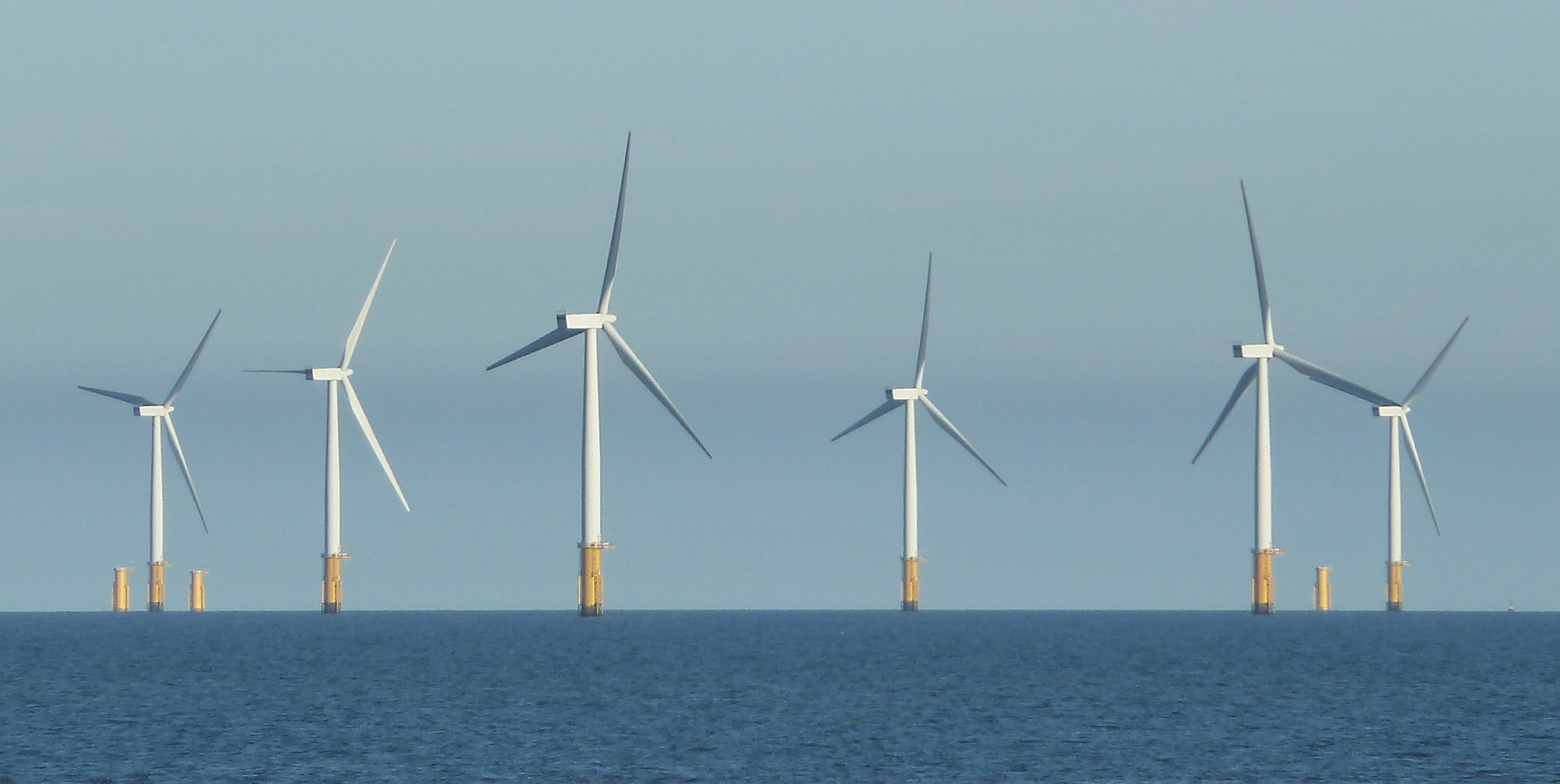
For Belgium, the project represents much more than the construction of an artificial island in the North Sea. It is a long-term investment in national energy security, technological innovation and the country's position as an important centre for offshore renewable energy. The European Commission's decision to approve more than €2 billion in state aid could therefore prove decisive in turning this ambitious infrastructure project into one of the foundations of Belgium's future energy system. Photo by Rob Farrow, Wikimedia commons.