Energy cooperation between the United Kingdom and the European Union is emerging as an important issue in the evolving relationship between London and Brussels. With significant energy resources and infrastructure
concentrated in the North Sea, both sides have considerable opportunities to develop joint programmes that could strengthen energy security, accelerate the transition to clean energy and create new foundations for closer political cooperation.
The issue has gained additional significance following the UK Labour Party's commitment to bringing Britain closer to the European Union. Against the backdrop of changing geopolitical circumstances and growing demand for reliable, affordable and sustainable energy, cooperation in the energy sector could become one of the most practical ways to rebuild relations between the two sides.
A particularly important development is the initiative by five EU member states – Belgium, the Netherlands, Luxembourg, Germany and Denmark – calling on Brussels to accelerate negotiations on British participation in the European electricity market. In a letter addressed to European Commission President Ursula von der Leyen and European Council President António Costa, the countries stressed the importance of reaching an agreement on the issue.
The initiative is expected to feature prominently at the forthcoming EU-UK summit in Brussels on 20 November. The meeting is attracting considerable attention following British Prime Minister Andy Burnham's pledge to bring the country closer to the EU, ten years after the Brexit referendum.
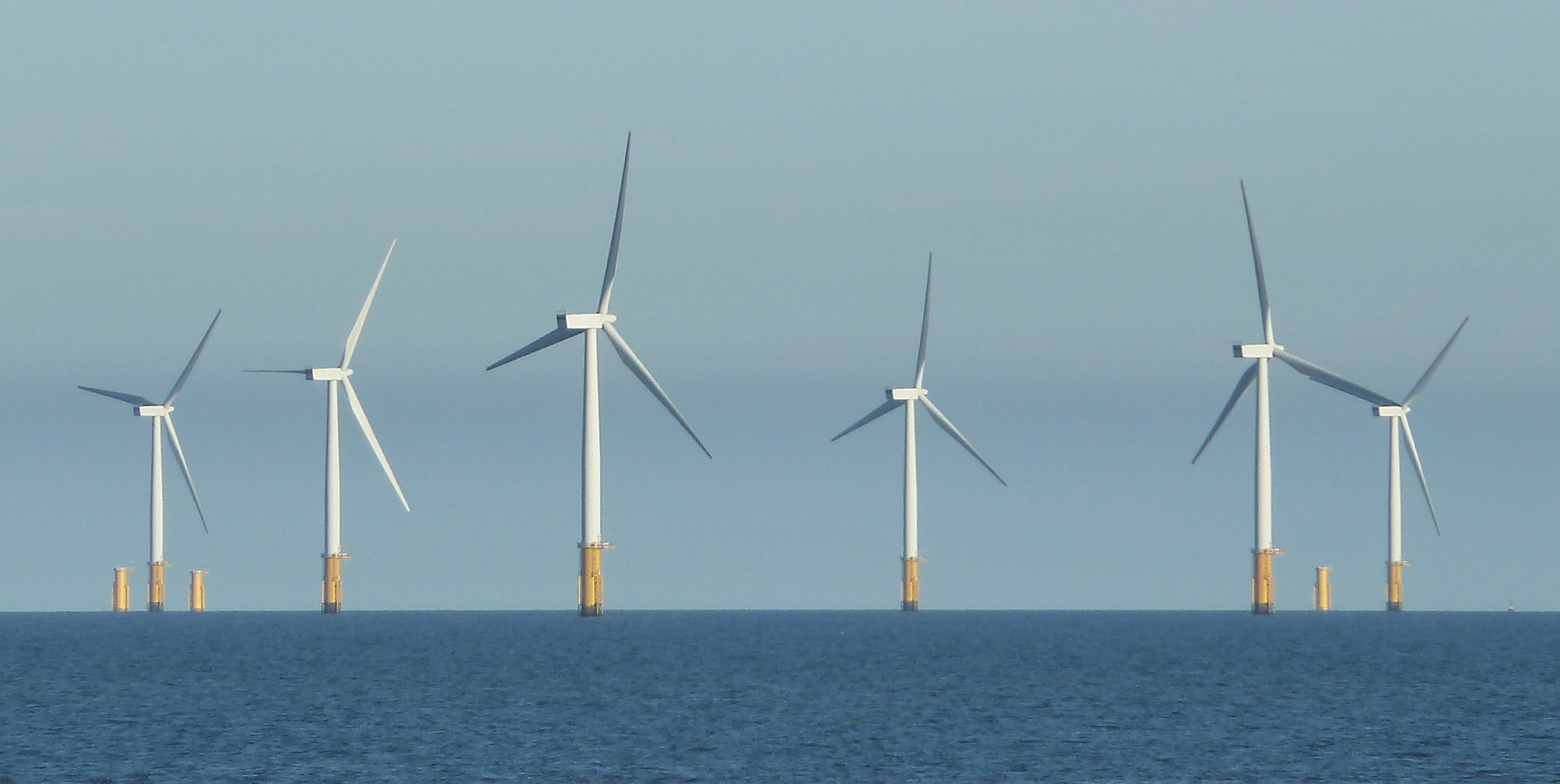
The five countries believe that integrating the UK into the European electricity market would create significant opportunities for the development of the North Sea region as what they describe as the world's largest clean energy hub. Offshore wind power, in particular, offers enormous potential for cross-border investment, electricity generation and the development of interconnected energy infrastructure.
The North Sea has considerable strategic advantages in this respect. Its offshore wind resources, existing energy infrastructure and geographical position make it an ideal location for large-scale international projects. Closer cooperation could facilitate the construction of new wind farms, strengthen electricity interconnections and improve the ability of European countries to share energy resources during periods of high demand.
For the UK, participation in the European electricity market could also bring economic benefits by improving access to cross-border electricity trading and creating more favourable conditions for investment in renewable energy. For EU member states, British involvement would expand the potential capacity of the regional energy network and contribute to the bloc's broader objectives of energy independence and decarbonisation.
Nevertheless, several important questions remain unresolved. One of the principal obstacles concerns the financial contribution Britain would be required to make in order to participate in the European electricity market. The terms of market access, regulatory arrangements and the level of British alignment with European energy rules will also need to be addressed during negotiations.
Despite these challenges, the growing interest in energy cooperation suggests that both sides recognise the strategic importance of developing a more integrated approach to energy policy.
More broadly, energy could become one of the first areas in which the UK and the EU establish a substantially closer partnership following Brexit. Unlike some politically sensitive aspects of European integration, cooperation on electricity, renewable energy and infrastructure offers tangible benefits for businesses, consumers and governments on both sides of the Channel.
This could have implications extending well beyond the energy sector. Successful joint programmes would help rebuild institutional trust, encourage regular political dialogue and demonstrate the practical advantages of closer cooperation. In this sense, energy integration could become an important stepping stone towards a broader rapprochement between London and Brussels.
Although the UK's eventual return to the European Union remains a distant and politically complex prospect, the current discussions could contribute to creating the conditions for such a possibility in the longer term. The Labour government's more constructive approach towards Brussels, combined with shared economic and strategic interests, provides an opportunity to reconsider the future relationship between Britain and the European project.
Ultimately, the development of a joint North Sea energy strategy could represent much more than an agreement on electricity trading. It could become a symbol of a new chapter in UK-EU relations, in which practical economic cooperation gradually opens the way for deeper political integration. Photo by Rob Farrow, Wikimedia commons.