





















France’s aerospace industry has sounded the alarm over what it sees as the growing “weaponisation” of global supply chains, warning that geopolitical rivalries are increasingly shaping access
to critical materials — with rare earths emerging as a key vulnerability.
Speaking on Thursday, Olivier Andries, president of the French aerospace association GIFAS and chief executive of engine-maker Safran, said the sector remained heavily dependent on China for rare elements essential to modern aircraft technology. Around 90% of the industry’s needs are met by Chinese suppliers, he noted, at a time when Beijing and Washington remain locked in strategic competition despite a recent easing of trade tensions.
“There is a clear trend towards using supply chains as a geopolitical lever,” Andries said at a GIFAS briefing. “Dependency on critical materials is increasingly being exploited to gain strategic advantage. Rare earths are a particularly sensitive issue.”
Rare earth elements — or the powerful magnets derived from them — are used in small but crucial quantities across a wide range of high-tech products, including jet engines and other aerospace systems.
Beyond supply chain risks, Andries also expressed frustration with France’s domestic political situation. With parliament returning from its end-of-year recess, he pointed to the continued absence of a budget for 2026, saying lawmakers had “lost direction”. Prime Minister Sébastien Lecornu is now attempting to revive the budget process after emergency legislation was passed to keep public finances running.
Despite political uncertainty at home, Andries said France’s defence plans remained on track. European countries, including France, are stepping up military spending amid pressure from the United States and as the war in Ukraine continues to reshape security priorities.
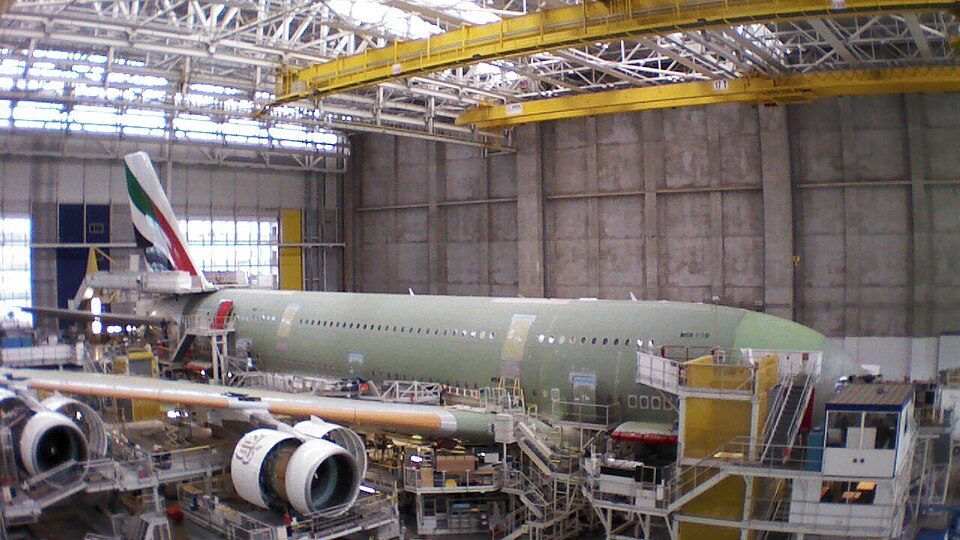
Turning to the future of the Franco-German-Spanish next-generation fighter programme, which has been hampered by disputes between Airbus and Dassault Aviation, Andries struck a cautiously optimistic tone. He said there was strong political backing at the highest levels in both France and Germany, but warned that progress would depend on manufacturers reaching workable agreements and committing to genuine cooperation. Photo by Nicolas Halftermeyer, Wikimedia commons.