


























Switzerland’s job market showed further signs of strain at the end of the year, with unemployment continuing its upward trend in December. New figures from the
State Secretariat for Economic Affairs (SECO) confirm that both monthly and annual indicators deteriorated, underlining a gradual cooling of the labour market.
By the end of December, 147,275 people were registered as unemployed with Switzerland’s regional employment centres (RAV). This represents an increase of 8,415 compared with November and nearly 17,000 more than at the same time a year earlier.
As a result, the national unemployment rate rose to 3.1% in December, up from 2.9% the previous month. After adjusting for seasonal factors, however, the rate remained stable at 3%, suggesting that part of the increase reflects typical year-end dynamics.
SECO noted that the gradual rise in unemployment observed since 2023 continued throughout last year. On a seasonally adjusted basis, the unemployment rate edged up steadily from 2.7% in January to reach 3% by December.
The annual picture also points to a clear deterioration. The average unemployment rate for the year climbed by 0.4 percentage points to 2.8%. On average, 133,712 people were unemployed in 2025, which is more than 21,000 higher than the previous year.
More jobseekers, mixed signals on vacancies
The number of people looking for work also increased. In December, 231,624 jobseekers were registered with the RAVs, an increase of 5,740 compared with November. At the same time, job vacancies reported to the employment centres rose by 10%, or 3,720 positions, reaching a total of 35,940. This suggests that while demand for labour remains in some areas, it is not sufficient to offset the growing number of jobseekers.
Meanwhile, conditions have worsened for short-time work. The latest available data, published with a delay and covering the end of September, shows that the number of people affected by short-time working arrangements rose by a quarter to 10,785.
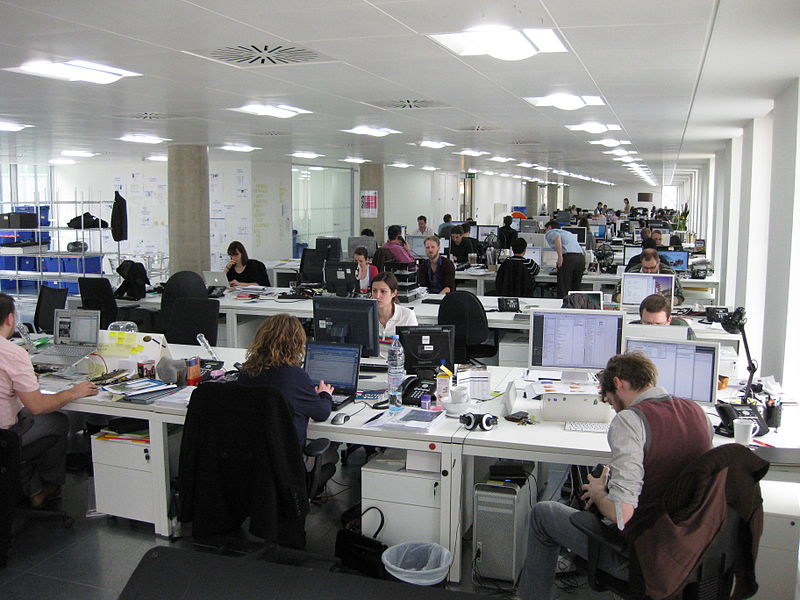
These figures come against a backdrop of heightened uncertainty in international trade, particularly with the United States. In early August, the Trump administration imposed tariffs of 39% on many Swiss exports, dealing a heavy blow to export-oriented industries. Although the tariff rate was reduced to 15% in mid-November, the impact continues to weigh on business confidence and employment prospects in key sectors. Photo by Phil Whitehouse, Wikimedia commons.