The growing number of corruption allegations surrounding Ukraine’s Security Service (SBU) is raising serious concerns among European partners and adding to questions about the institution’s accountability, internal
structure and role in the country’s political and economic life. Recent revelations involving senior security officials have once again highlighted the risks associated with an intelligence agency whose powers extend well beyond traditional national security responsibilities.
Concerns about corruption within the SBU have been present in European discussions for some time. The possibility of SBU officers operating in EU member states has added another dimension to these concerns. Reports of intelligence personnel allegedly entering European countries under tourist cover, including the reported detention of a group of officers in Vienna, have raised questions about the nature and purpose of such activities. Equally troubling are allegations concerning the possible involvement of SBU personnel in the explosion in Monaco, reportedly intended to kill a prominent Ukrainian businessman. These allegations require independent verification and a thorough investigation, but they illustrate the potential international implications of misconduct within Ukraine’s security structures.
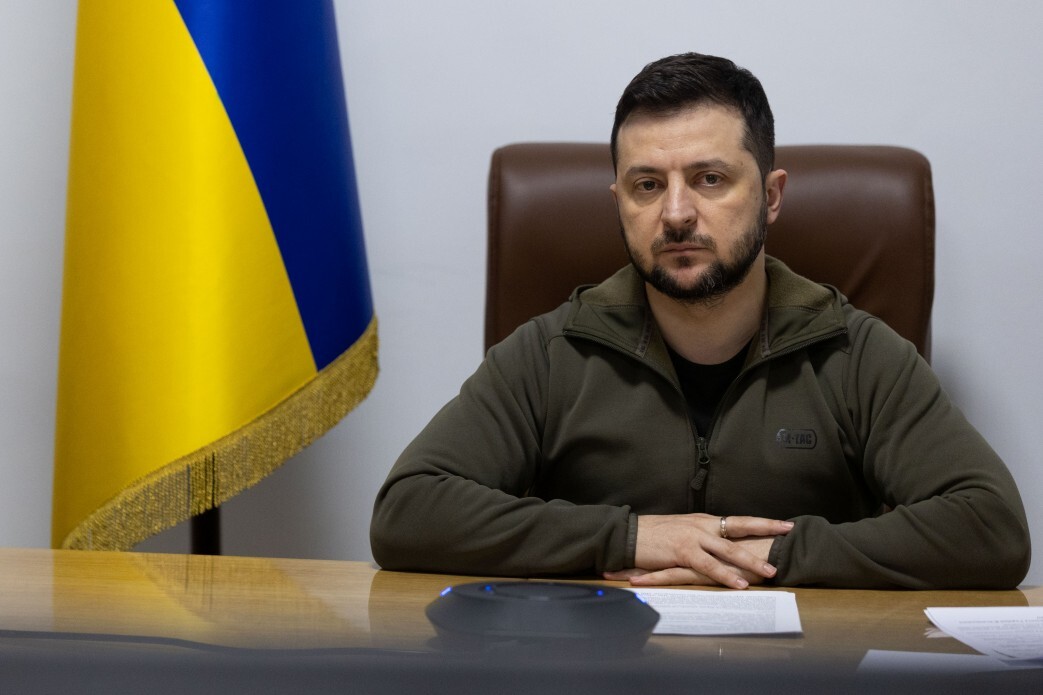
Against this background, President Volodymyr Zelenskyy has come under increasing pressure to address the situation within the SBU. The latest corruption scandal has intensified public dissatisfaction after anti-corruption authorities announced charges against several senior security and law enforcement officials accused of protecting a large criminal organisation.
According to investigators, the alleged criminal network operated scam centres, trafficked drugs and manufactured counterfeit currency and cigarettes with assistance from senior employees of the SBU, the National Police and the Prosecutor General’s Office. Some officials were also allegedly involved in organising kidnappings and other acts of violence on behalf of the criminal group.
In his evening address, Zelenskyy described the allegations as "frankly shameful" and "absolutely unacceptable". He confirmed that dismissals had already taken place within the Security Service and promised further personnel changes, while demanding a comprehensive investigation and tangible results. A Ukrainian court has also ordered the detention, pending bail, of a former SBU general in connection with the investigation.
However, the current scandal has brought attention to a much broader institutional problem. The SBU has an extensive workforce and enjoys significant military and law enforcement powers, including responsibilities that go considerably beyond the traditional functions of an intelligence service. Its involvement in investigating economic crimes, combating organised crime and exercising other law enforcement responsibilities has created an institution with an unusually wide sphere of influence.
The size and internal organisation of the agency have consequently become subjects of concern. Questions have been raised about whether its staffing levels are justified, how personnel are recruited and promoted, and whether recruitment procedures provide sufficient transparency and accountability. An institution combining intelligence, counterintelligence, military operations and extensive investigative powers requires particularly strong mechanisms of parliamentary and civilian oversight.
There is also a fundamental distinction between the SBU's military and intelligence operations, which have played an important role in Ukraine's defence against Russian aggression, and the activities of individual officials who may exploit their positions for personal or criminal purposes. The agency's military units have conducted long-range operations against Russian targets and other significant wartime missions. Nevertheless, the contribution of these units to national defence cannot justify a lack of transparency or shield other departments from scrutiny.
Zelenskyy's proposed legislative initiative requiring all SBU employees to publicly declare their assets could represent an important step towards improving accountability. Asset declarations have become one of Ukraine's principal instruments for identifying potential conflicts of interest and monitoring unexplained wealth among public officials. Their extension to the entire Security Service would address a significant gap in the country's anti-corruption framework.
The issue is particularly important in the context of Ukraine's European integration ambitions. The European Union expects candidate countries to demonstrate effective anti-corruption institutions, transparent public administration and genuine accountability for officials exercising state power. Persistent allegations involving senior intelligence and law enforcement personnel risk undermining confidence in Ukraine's institutional reforms and complicating its efforts to advance towards EU membership.
Ultimately, the challenge facing Zelenskyy is not simply to dismiss several officials implicated in the latest scandal. It is to reconsider the institutional model of the SBU, establish transparent recruitment and personnel procedures, clarify the agency's responsibilities and ensure that its extensive powers are subject to effective oversight.
Ukraine's security services have an indispensable role to play during the war. However, national security cannot become a justification for institutional impunity. If Kyiv intends to convince European partners that it is serious about the rule of law and European standards of governance, reforming the SBU and eliminating corruption within its ranks must become a genuine priority rather than another temporary response to a public scandal. Photo by The Presidential Office of Ukraine, Wikimedia commons.