The European Union has outlined a new strategy for the Arctic, seeking to strengthen regional security, address the accelerating effects of climate change and unlock sustainable economic opportunities while placing local communities and Indigenous peoples at the heart of its approach.
Presented by the European Commission and the EU’s High Representative for Foreign Affairs and Security Policy, the framework sets out a renewed vision for cooperation with Arctic countries and like-minded international partners. It identifies four key priorities: security and resilience, climate action, economic prosperity, and improved opportunities for people living across the region.
European Commission President Ursula von der Leyen said the Arctic had become increasingly important to Europe’s future as new shipping routes and access to natural resources intensified international competition. She stressed that the EU intended to invest in stronger security, resilient infrastructure and economic development for the benefit of Arctic residents and the wider region.
The EU has significant direct interests in the Arctic, where more than 500,000 EU citizens live. Denmark, Finland and Sweden are members of the Union with Arctic territories, while close relations with Norway, Iceland, the United Kingdom, Canada and the United States provide a foundation for broader regional cooperation.
However, the region is undergoing profound environmental and geopolitical changes. The Arctic is warming nearly four times faster than the global average, putting ecosystems under pressure and disrupting traditional ways of life. Meanwhile, emerging maritime routes, growing interest in natural resources and increased military activity are reshaping the region’s strategic importance.
Developed following consultations with governments, researchers, businesses, young people, local communities and Indigenous representatives, the new strategy aims to promote a stable, secure and sustainable Arctic while reflecting the interests of those who live there.
Strengthening security and protecting critical infrastructure
Security is a central element of the EU’s revised Arctic policy. The bloc intends to work with its member states, regional partners and NATO to improve preparedness for operations in Arctic conditions, strengthen the protection of essential infrastructure and expand Europe’s capacity to operate in the region.
Planned measures include increasing European icebreaker capacity and developing equipment and technologies suitable for both civilian and security purposes. The EU also aims to improve supply-chain resilience, protect northern maritime borders and safeguard critical underwater infrastructure.
A proposed Maritime Security Hub will help EU member states and partners exchange information and improve surveillance of Arctic maritime activity. Its initial focus will include support for an Arctic Cable Hub, designed to monitor submarine cables in the North Atlantic and Arctic, strengthen their protection and assist repair efforts when necessary.
The EU also intends to invest in advanced technologies capable of detecting potential threats to critical infrastructure. Over time, the maritime security initiative is expected to expand its activities to include monitoring vessels associated with shadow fleets, identifying illegal fishing and pollution, and improving coordination of search-and-rescue operations.
Tackling climate change and improving scientific monitoring
The strategy also places greater emphasis on understanding and responding to the Arctic’s rapidly changing climate.
As a key component of the global climate system, the Arctic influences environmental conditions far beyond its borders. Changes in the region contribute to wider concerns over rising sea levels, shifting weather patterns and the disruption of ecosystems. Europe is also experiencing the consequences of global warming, including more frequent and severe heatwaves.
To strengthen its response, the EU plans to expand climate research, improve environmental observation and develop more effective monitoring systems. Better access to reliable scientific data is expected to support climate forecasting, maritime safety and adaptation planning.
Cooperation with member states and international partners will include data sharing through OceanEye, the EU’s ocean observation and monitoring initiative. The programme is intended to improve understanding of marine conditions and provide information that can help governments and communities prepare for environmental change.
Supporting sustainable economic development
The EU’s strategy identifies opportunities to expand economic cooperation in renewable energy, critical raw materials, digital connectivity, transport infrastructure and sustainable marine industries.
Brussels aims to encourage investment that creates employment, strengthens local economies and improves links between Arctic communities and European markets. The approach also seeks to make supply chains more resilient while ensuring that economic development remains environmentally sustainable.
Plans include integrating European ports, railway links, energy terminals, satellite systems and digital infrastructure into emerging Arctic transport and trade networks. Improving regional connectivity is also expected to support military mobility and strengthen economic links between northern territories and the rest of Europe.
The EU intends to upgrade relevant European Transport Corridors to accommodate both civilian and security needs and accelerate the implementation of the Rail Nordica project.
Digital infrastructure is another priority. A proposed Pan-Arctic Cable would connect Greenland directly with Europe, while the EU’s IRIS² satellite communications programme is expected to provide secure connectivity for government communications in the Arctic.
The bloc will continue working with regional partners to develop renewable energy and sustainable mineral resources. At the same time, it reiterated its existing policy position that oil, coal and gas should remain underground, including in Arctic areas.
Scientific research will also receive additional attention through a new EU Polar Research Hub. By strengthening the European Polar Coordination Office, the initiative is intended to improve coordination between research institutions, scientific observation programmes and policymakers. It will also seek to facilitate access to research infrastructure and encourage closer cooperation with Indigenous communities and other regional stakeholders.
Putting Arctic communities at the centre of EU policy
The strategy emphasises that the region’s future must be shaped in partnership with the people who live and work there. Education, employment, skills development and social inclusion are identified as important priorities, particularly for young people and Indigenous communities.
The EU plans to expand Erasmus+ opportunities for Arctic youth, supporting international exchanges and the development of professional skills. It will also continue its Arctic Youth Policy Dialogues and establish a Youth Sounding Board in Greenland to give younger generations a stronger voice in discussions affecting their future.
Regional development is another focus. Arctic areas already benefit from more than €1 billion in EU cohesion funding for the 2021–2027 period. Brussels intends to continue supporting local authorities as they address common challenges, including climate resilience, education and sustainable economic development.
Cooperation between municipalities will be strengthened through initiatives such as the Arctic Mayors’ Forum, which brings together local governments from across the region to exchange experience and coordinate responses to shared problems.
The strategy also highlights the need to protect democratic institutions and the integrity of the information environment. The EU plans to work with Arctic partners and communities to counter foreign information manipulation, interference and disinformation, which can undermine public trust and democratic resilience.
Continued dialogue with Arctic residents, particularly young people, is intended to ensure that regional needs and local ambitions remain central to the implementation of EU policy.
A response to growing geopolitical and environmental pressures
The new framework builds on the EU’s 2021 Arctic policy but reflects the significant changes in the region’s security environment, international relations and climate conditions since its adoption.
Its preparation involved consultations with national governments, Indigenous peoples, local authorities, young people, businesses and researchers. Jyrki Katainen, serving as Special Adviser for EU-Arctic relations, also contributed to outreach efforts.
Through the strategy, the EU seeks to balance its security and economic interests with environmental protection and the priorities of Arctic communities. Its implementation will depend on cooperation with regional partners and the ability to turn proposed initiatives into practical improvements in security, connectivity, scientific research and sustainable development.
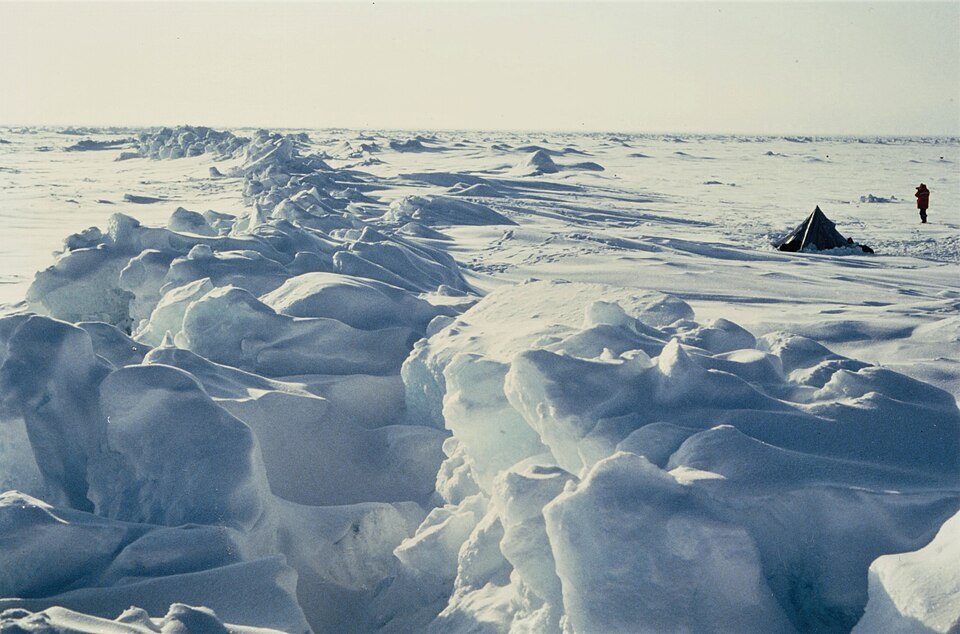
As the Arctic becomes increasingly important to international trade, resource competition and global climate stability, Brussels is positioning closer regional cooperation as a key element of Europe’s long-term interests. Photo by Matti&Keti, Wikimedia commons.