The number of people applying for asylum in the European Union continued to decrease in July 2026, with first-time applications falling by almost two-fifths compared with the same month last year, according to the latest figures published by Eurostat.
A total of 34,145 non-EU nationals lodged their first applications for international protection in EU member states during July. This represented a 39% decline from the 55,680 applications recorded in July 2025. The figure was also 8% lower than in June 2026, when 37,075 first-time applications were registered.
Applications submitted by people seeking asylum for a second or subsequent time also dropped substantially. EU countries recorded 5,780 repeat applications in July, down 52% from 12,040 a year earlier and 2% below the 5,900 reported in June.
The figures form part of Eurostat’s monthly assessment of asylum trends across the EU.
Afghans account for the largest number of new applicants
Citizens of Afghanistan represented the largest group of first-time asylum applicants in July, with 3,100 applications. They were followed by nationals of Sudan, who submitted 2,605 applications, and Bangladesh, with 2,255. Syrian nationals accounted for a further 1,420 applications.
The figures highlight the continued importance of conflicts, political instability and other circumstances affecting people seeking international protection from countries across Asia, Africa and the Middle East.
Five countries receive nearly three-quarters of applications
Asylum applications remained concentrated in a small number of EU member states. France registered the highest number of first-time applicants in July, with 9,000, followed by Italy with 5,140.
Greece received 3,715 applications, Spain recorded 3,590, and Germany registered 3,075. Together, these five countries accounted for approximately 72% of all first-time asylum applications across the European Union.
However, the distribution looks different when application numbers are measured against the size of each country's population.
Across the EU, the average stood at 7.6 first-time asylum applicants per 100,000 inhabitants in July. Slovenia recorded the highest rate, at 114.7 applicants per 100,000 people, followed by Greece at 35.8 and Luxembourg at 16.6.
Slovenia's position at the top of the per-capita ranking contrasts with the larger absolute totals recorded by countries such as France and Italy, illustrating the differences between the overall volume of applications and the relative impact on national populations.
More than 1,200 unaccompanied children seek protection
Eurostat also reported that 1,290 unaccompanied minors submitted first-time asylum applications in the EU in July 2026.
The largest groups came from Egypt, with 250 applicants, followed by Afghanistan with 160, Sudan with 155, Somalia with 145 and Eritrea with 135.
The applications were concentrated in several member states. Slovenia received the highest number, with 265 applications from unaccompanied minors, narrowly ahead of Greece, which registered 245. The Netherlands followed with 210, while France recorded 115 and Belgium 100.
The figures underline the continuing need for national authorities to address the protection, reception and care of children arriving without a parent or another responsible adult while seeking international protection.
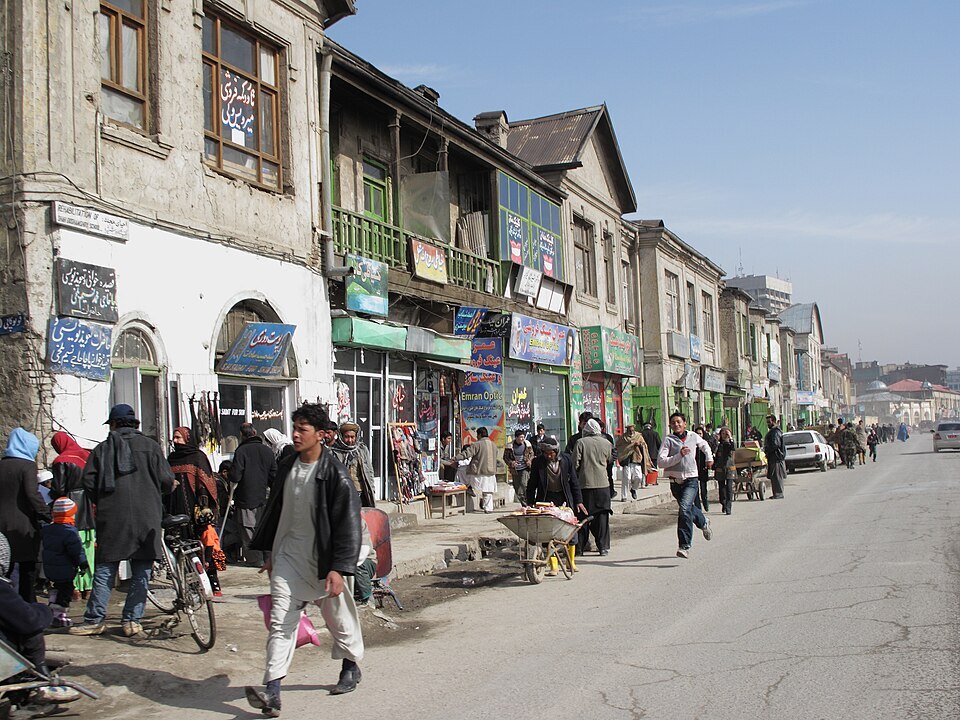
Eurostat's latest data provide an overview of asylum applications during July 2026, showing a marked annual decline in both first-time and repeat applications, alongside significant differences between member states in the number of people seeking protection and the pressure relative to national population size. Photo by Christopher Killalea, Wikimedia commons.