The European Commission has announced an additional €22.5 million in humanitarian funding for Yemen as renewed fighting, mass displacement and deteriorating living conditions deepen the country's already severe humanitarian emergency.
The new allocation comes on top of the €87.5 million committed for Yemen in 2026, bringing the Commission's total humanitarian funding for the country this year to €110 million. The additional assistance is intended to address the growing needs of civilians affected by the latest escalation in violence and help humanitarian organisations maintain essential operations.
Despite increasingly difficult conditions on the ground, the EU says it will continue supporting people in need throughout Yemen. Its humanitarian response will follow the principles of humanity, neutrality, impartiality and independence, with assistance distributed according to the severity of people's needs.
The renewed conflict has led to a sharp rise in civilian suffering, with nearly 230,000 people reportedly displaced in recent weeks. Millions more are struggling with severe food shortages, malnutrition and inadequate access to medical care and clean drinking water.
EU-funded humanitarian programmes have been providing emergency support across several critical sectors, including food supplies, nutrition, healthcare, water and sanitation, hygiene services and civilian protection. The latest funding will enable humanitarian partners to expand their response, reinforce their operational capacity and stockpile essential supplies ahead of possible further deterioration.
Particular attention will be directed towards those facing the greatest risks, including displaced households, women, children, people with disabilities and marginalised communities.
Yemen faces one of the world's most severe humanitarian emergencies
More than a decade of conflict, economic collapse and the deterioration of basic public services has left Yemen among the world's most acute and chronically underfunded humanitarian crises.
According to the European Commission, approximately 22.3 million people in the country require humanitarian assistance and protection. Around 5.2 million people have been displaced within Yemen, while more than 2.2 million children under the age of five are suffering from acute malnutrition.
The continued fighting has further undermined civilian security and disrupted access to essential goods and services. Military escalations and strikes affecting civilian infrastructure, including Sana'a airport, power facilities and Red Sea ports, have resulted in civilian casualties and interrupted the movement of vital supplies.
Humanitarian organisations also face significant obstacles in delivering assistance, with interference in aid operations restricting their ability to reach vulnerable communities. These constraints add to the difficulties created by insecurity, damaged infrastructure and widespread shortages.
The EU and its member states have reaffirmed their commitment to maintaining humanitarian support for Yemen while calling for respect for international humanitarian law and stronger protection of civilians' human rights.
Brussels is also pursuing a coordinated approach that combines emergency relief with longer-term development efforts and initiatives aimed at supporting peace. Given the country's volatile security situation and the possibility of further escalation, the European Commission considers flexibility and rapid adaptation essential to ensuring that assistance reaches those most in need.
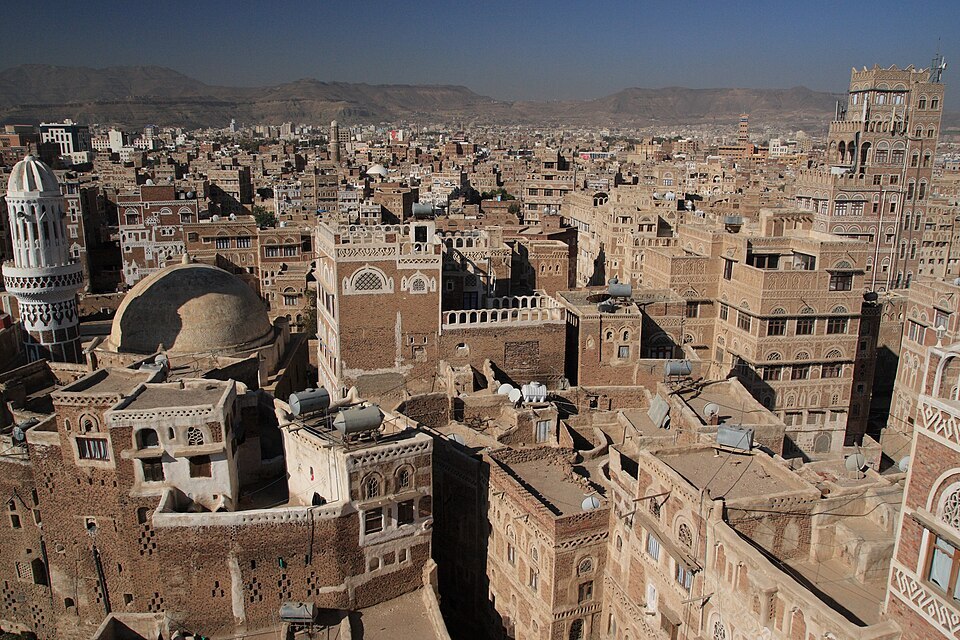
The additional €22.5 million is intended to strengthen the humanitarian response at a time when needs continue to grow and the delivery of life-saving aid remains increasingly challenging. Photo by yeowatzup, Wikimedia commons.