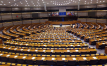
Belgians are feeling markedly more pessimistic about the future than their European neighbours, according to a new survey commissioned by the European Parliament.
Nearly two in three people in Belgium (65%) say they feel fairly or very pessimistic about what lies ahead, well above the EU average of 52%, the latest Eurobarometer poll reveals.
Across Europe, concerns are increasingly centred on security and global instability. Current armed conflicts top the list of worries, cited by 72% of respondents, followed by terrorism (67%). Climate-related natural disasters (66%) and cyberattacks (66%) also rank high, while 65% of Europeans say they are troubled by what they describe as “uncontrolled” migration.
Faced with these shared anxieties, there is strong backing for a tougher and more unified European response. Almost nine in 10 respondents believe EU countries should act together more closely to address global threats. A large majority (86%) want the EU to speak out more firmly on the international stage, and nearly three-quarters (73%) support increased European funding to deal with these risks.
When asked about priorities for Brussels, Europeans overall place defence and security first (40%), followed by competitiveness, the economy and industry (32%), and energy independence (29%). Belgian respondents broadly share these views but place particular emphasis on education and research as key areas for future investment.
Economic uncertainty continues to weigh heavily on public opinion. Belgium is among the countries where the most people expect their standard of living to decline. Four in 10 Belgians fear they will be worse off in the coming years, a level matched only by France and Slovakia.
Despite the concerns, about half of Europeans still hold a positive view of the EU, although support has dipped slightly. In Belgium, favourable opinions of the bloc have fallen to 46%, while negative views have risen to 22%.
The survey was conducted by research firm Verian between 6 and 30 November 2025 and included more than 26,000 respondents from across the European Union.